
Domestic Dangerous Tree Removal Glasgow
Domestic Dangerous trees threaten Glasgow properties daily, with structural instability, disease, and environmental factors creating potentially devastating safety hazards. Professional assessment distinguishes between trees requiring immediate removal and those suitable for remedial treatment, protecting homeowners from unnecessary costs whilst ensuring family safety.
Glasgow Trees delivers domestic dangerous tree removal services combining advanced arboricultural assessment with safe elimination techniques across Glasgow and Central Scotland. Our NPTC certified team identifies genuine tree hazards, provides legal compliance guidance, and executes safe removal protecting property and liability.
Risk-based reality check:
- Domestic Dangerous trees cause property damage exceeding £50M annually across the UK
- Homeowner liability increases dramatically with unaddressed tree hazards
- DIY dangerous tree removal kills 20+ people yearly through accidents
- Legal prosecution possible for TPO tree removal without proper exemptions
✅ Professional Hazard Assessment – NPTC certified dangerous tree evaluation
✅ Legal Compliance Guidance – TPO dangerous tree exemption support
✅ £5 Million Insurance Protection – Complete liability coverage during removal
✅ Arboricultural Expertise – 30+ years combined dangerous tree experience
☎️ Call 0141-483-7485 for professional dangerous tree assessment
What Makes a Domestic Tree Dangerous in Glasgow?
Structural Instability and Failure Risks
Primary structural hazards requiring professional dangerous tree assessment include trees exhibiting significant lean exceeding 15 degrees from vertical, major trunk cracks or splits compromising structural integrity, visible root damage or decay affecting tree stability, and hollow trunks reducing load-bearing capacity beyond safe thresholds.
Disease-related dangers encompass fungal infections causing internal decay, pest infestations weakening structural components, bacterial infections affecting root systems, and progressive dieback indicating systemic failure threatening sudden collapse.
Critical warning signs include:
- Mushroom growth indicating internal rot
- Extensive deadwood in tree canopy
- Visible root exposure or damage
- Soil heaving around tree base
- Cracks appearing in trunk or major branches
Environmental hazard factors include trees positioned too close to Glasgow properties creating impact risks, proximity to power lines creating electrical hazards, root systems threatening building foundations, and canopy spread exceeding safe clearance distances from structures.
Glasgow-Specific Tree Dangers
Urban environment hazards unique to Glasgow properties include mature trees in confined spaces with limited root zones, soil compaction from urban development affecting tree stability, pollution stress weakening tree health, and construction damage compromising root systems.
Historic property considerations involve trees affecting Glasgow’s Victorian and Edwardian building stock, root systems threatening period property foundations, canopy proximity to heritage structures, and preservation requirements balanced against safety concerns.
Glasgow’s Atlantic climate creates specific risks:
- Wet conditions encouraging fungal diseases
- High winds creating windthrow potential
- Seasonal extremes stressing tree health
- Urban pollution weakening tree resistance
Legal Definition of Dangerous Trees in Glasgow
Glasgow City Council criteria for dangerous tree classification include immediate threat to public safety, structural instability requiring urgent attention, disease progression threatening tree failure, and environmental positioning creating unacceptable risk levels.
Professional assessment standards follow BS3998 guidelines for tree risk evaluation, qualified arboriculturist evaluation requirements, documented evidence supporting dangerous classification, and photographic documentation for legal compliance purposes.
Tree Preservation Order implications:
- Dangerous trees can be removed without prior consent
- Professional assessment documentation required
- Local authority notification procedures mandatory
- Replacement obligations may apply following removal
☎️ Call 0141-483-7485 for TPO dangerous tree guidance

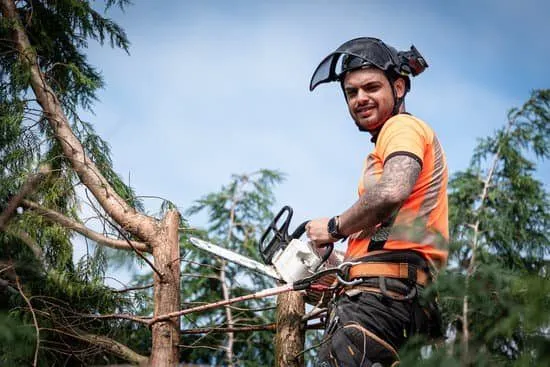
Professional Dangerous Tree Assessment Process
NPTC Certified Tree Risk Evaluation
Comprehensive assessment methodology includes systematic visual inspection from multiple angles, detailed root zone evaluation for stability assessment, canopy inspection identifying structural weaknesses, and environmental context evaluation considering surrounding risks.
Advanced diagnostic techniques employ:
- Resistograph testing for internal decay detection
- Sound testing identifying hollow sections
- Soil investigation assessing root system health
- Measuring equipment quantifying lean angles and deviations
Professional documentation standards provide detailed written reports supporting dangerous classification, photographic evidence documenting hazard conditions, risk assessment matrices quantifying threat levels, and recommendations for treatment or removal based on professional evaluation.
Distinguishing Dangerous from Declining Trees
Immediate danger indicators requiring urgent removal include active structural failure, imminent collapse risk, severe lean threatening structures, and major branch failure potential creating immediate safety threats.
Declining tree characteristics suitable for management rather than removal encompass gradual dieback responding to treatment, minor structural defects manageable through pruning, disease conditions treatable through arboricultural intervention, and aesthetic decline without safety implications.
Professional assessment saves money by identifying treatment alternatives, preventing unnecessary removal costs, ensuring appropriate response timing, and providing legal protection through proper documentation.
Insurance and Legal Documentation
Professional assessment documentation supports insurance claims through qualified evaluation reports, provides legal evidence for dangerous tree removal, satisfies local authority requirements for TPO trees, and establishes homeowner due diligence for liability protection.
Insurance coverage typically includes:
- Removal when trees threaten property structures
- Documentation requirements for successful claims
- Liability protection through professional assessment
- Cost recovery for genuine dangerous tree situations
Legal compliance assurance ensures TPO dangerous tree exemption procedures, provides Glasgow City Council notification protocols, establishes replacement requirements following removal, and maintains records satisfying legal obligations.
☎️ Call 0141-483-7485 for insurance documentation support
Common Types of Dangerous Trees in Glasgow
Species-Specific Risks in Glasgow Properties
Native species vulnerabilities include Scots pine susceptibility to red band needle blight, oak trees prone to acute oak decline, ash trees threatened by ash dieback disease, and birch species vulnerable to bronze birch borer infestations.
Non-native species concerns encompass sycamore trees with aggressive growth patterns, Norway spruce shallow root systems creating windthrow risks, ornamental species with structural weaknesses, and fruit trees prone to fire blight infections.
Mature specimen risks involve:
- Veteran trees reaching natural lifespan limits
- Over-mature trees with declining structural integrity
- Historic plantings requiring specialist assessment
- Valuable trees balancing preservation against safety
Disease-Related Dangerous Conditions
Fungal infection dangers include honey fungus causing root rot and instability, bracket fungi indicating internal decay, powdery mildew weakening tree vigour, and rust diseases affecting structural wood quality.
Pest infestation risks encompass bark beetle damage compromising trunk integrity, aphid infestations weakening tree health, scale insects affecting nutrient transport, and boring insects creating structural vulnerabilities.
Disease progression indicators:
- Sudden leaf loss outside normal seasons
- Discoloured foliage indicating stress
- Bark damage or missing sections
- Fungal growth on trunk or roots
- Premature fruit drop or failure
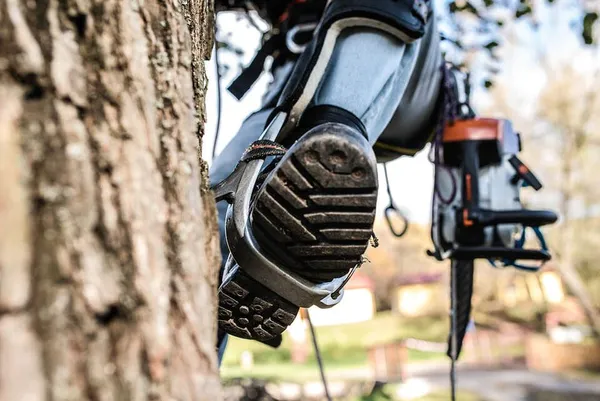
Environmental and Human-Caused Dangers
Construction damage creating hazards includes root severance during building work, soil compaction affecting tree health, grade changes exposing root systems, and chemical contamination from development activities.
Storm damage requiring assessment covers wind damage from Glasgow’s Atlantic weather exposure, lightning strike damage evaluation, ice damage threatening structural integrity, and flooding effects on root system stability.
Human activity risks include:
- Vehicle impact damage assessment
- Deliberate vandalism evaluation
- Fire damage requiring removal consideration
- Cable/utility installation affecting tree health
☎️ Call 0141-483-7485 for post-damage tree assessment
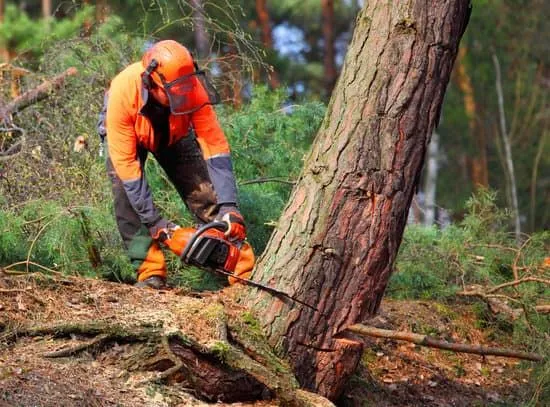
Safe Dangerous Tree Removal Techniques
Risk Assessment and Safety Planning
Site safety evaluation includes identifying all potential hazards, establishing safe working zones, coordinating with utility companies when necessary, and implementing traffic management for road-adjacent trees.
Specialized equipment for dangerous trees:
- Advanced rigging equipment for controlled removal
- Crane access for high-risk situations
- MEWP (Mobile Elevated Work Platform) for safe access
- Emergency equipment for unexpected situations
Professional safety protocols ensure NPTC certified operatives for dangerous tree work, comprehensive risk assessment documentation, method statement preparation, and emergency response procedures.
Sectional Dismantling for Dangerous Trees
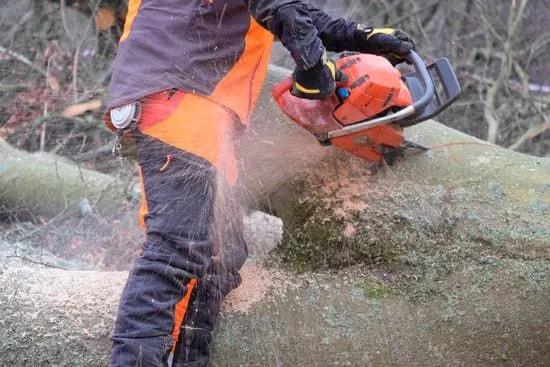
Controlled sectional removal minimises impact risks through careful planning, reduces unpredictable tree movement, allows precise placement of removed sections, and maintains operator safety throughout removal process.
Advanced rigging techniques include:
- Rope systems for branch control
- Mechanical advantage systems for heavy sections
- Shock-loading prevention techniques
- Precision lowering for confined Glasgow gardens
CNJ partnership provides commercial equipment access unavailable to standard contractors, ensuring appropriate machinery for complex dangerous tree situations whilst maintaining domestic service focus.
Emergency Stabilisation vs. Complete Removal
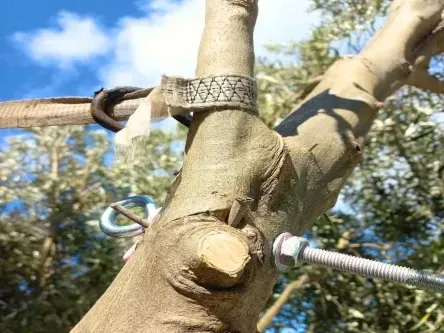
Emergency stabilisation options include crown reduction to reduce wind loading, support cable installation for structural support, emergency pruning removing immediate hazards, and temporary propping pending full assessment.
Complete removal indications encompass irreversible structural compromise, disease progression beyond treatment, proximity risks requiring elimination, and cost-effectiveness favouring removal over management.
Professional guidance ensures appropriate response balancing safety requirements, cost considerations, aesthetic preferences, and legal compliance for optimal dangerous tree management.
☎️ Call 0141-483-7485 for dangerous tree removal techniques consultation
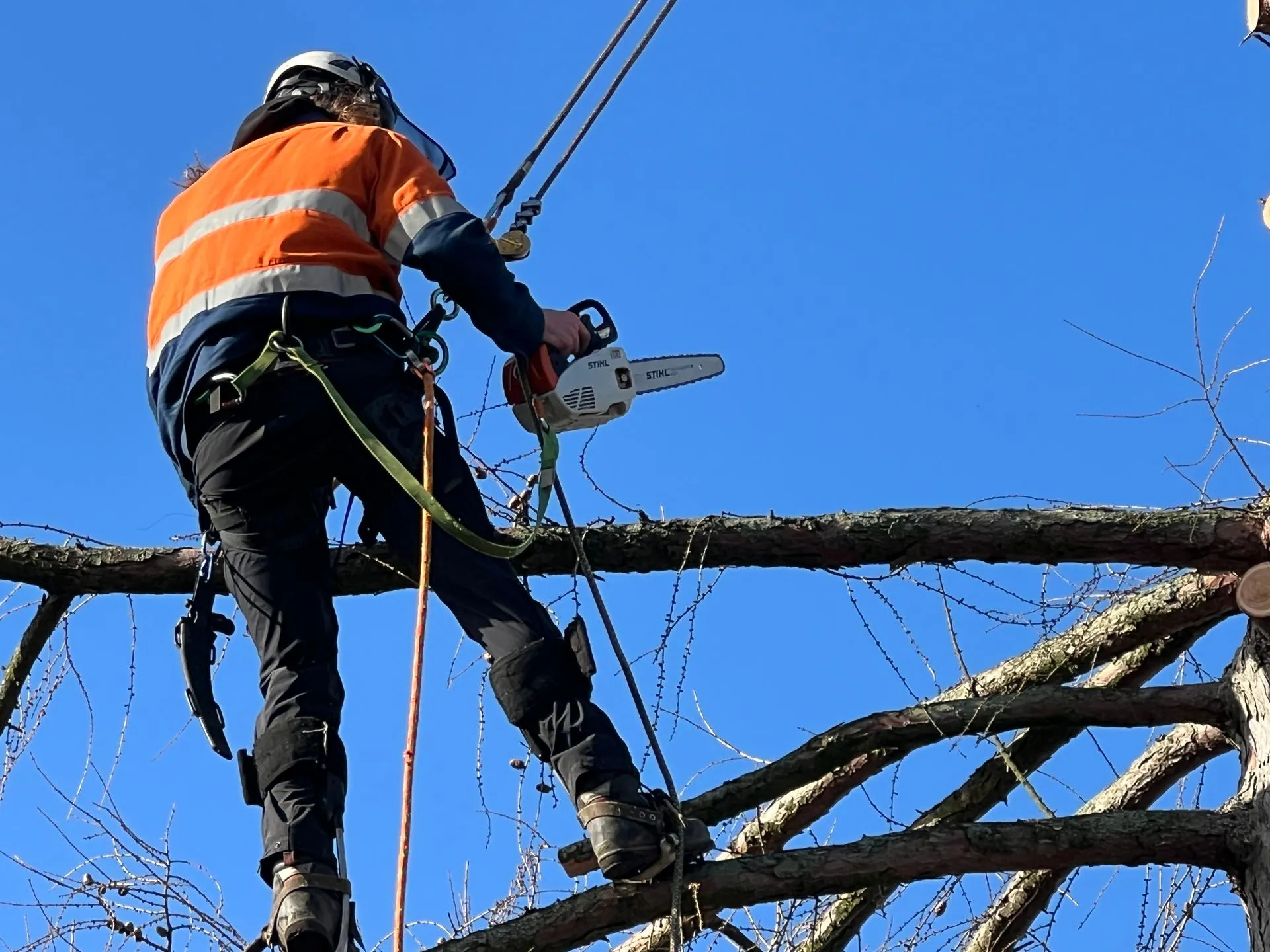
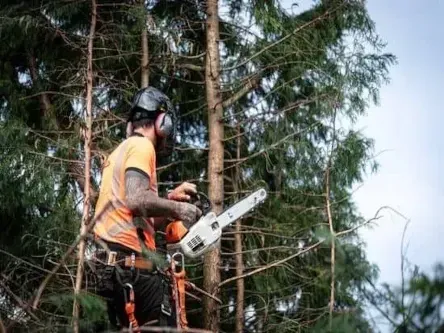
Why Choose Glasgow Trees for Dangerous Tree Removal
Arboricultural Expertise and Assessment Capabilities
Professional qualifications include NPTC certification for dangerous tree assessment, Lantra training in risk evaluation techniques, BS5837 compliance for professional standards, and continuing professional development maintaining current expertise.
Advanced assessment capabilities employ:
- Scientific diagnostic equipment unavailable to general contractors
- Professional methodology for risk quantification
- Comprehensive reporting meeting insurance standards
- Photographic documentation supporting assessment findings
Experienced team credentials encompass 30+ years combined dangerous tree experience, specialist training in hazardous tree removal, ongoing education in latest assessment techniques, and proven track record managing complex dangerous tree situations.
Legal Compliance and Documentation Excellence
TPO dangerous tree expertise includes understanding Glasgow City Council procedures, exemption application processes, documentation requirements, and replacement obligations following removal.
Insurance documentation standards provide professional reports supporting claims, expert witness capabilities for complex cases, comprehensive photographic evidence, and detailed cost justification for removal decisions.
Professional liability protection ensures:
- Qualified assessment reducing homeowner liability
- Comprehensive insurance coverage during operations
- Documented compliance with industry standards
- Professional indemnity protection for assessment recommendations
Connection to Comprehensive Arboricultural Services
Integrated tree care approach positions dangerous tree removal within broader tree health management, preventive care reducing future dangerous situations, ongoing monitoring preventing emergency situations, and comprehensive property tree management.
Professional dangerous tree removal represents just one aspect of comprehensive tree care. For ongoing tree health monitoring, disease prevention, and proactive management reducing dangerous tree risks, explore our completeArborist Service Glasgow offerings, including tree surveys, health assessments, and preventive care programmes designed to identify and address potential hazards before they become dangerous.
Holistic property tree management includes:
- Regular health assessments identifying emerging risks
- Preventive treatments reducing disease susceptibility
- Structural pruning maintaining tree stability
- Long-term planning optimising property tree assets
☎️ Call 0141-483-7485 for comprehensive tree care consultation
Glasgow Trees Professional Tree Inspection Advantages
Enhanced Diagnostic Capabilities Through CNJ Partnership
Commercial-grade equipment access including advanced decay detection and structural analysis tools provides domestic clients with diagnostic capabilities typically reserved for major infrastructure projects. This unique partnership delivers superior assessment quality at competitive pricing.
Climbing inspection specialists provide detailed crown assessment when ground-level evaluation proves insufficient for complete health analysis.
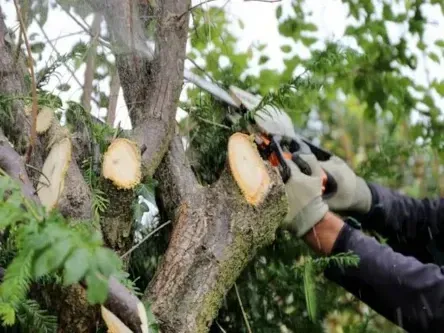
Our certified climbing arborists access crown areas requiring detailed examination for accurate health diagnosis and appropriate treatment planning.
Laboratory connections for complex disease identification requiring specialist pathology services enable accurate diagnosis of unusual conditions requiring expert identification and targeted treatment protocol development for optimal health outcomes.
Emergency response capabilities leverage commercial arboricultural expertise for urgent health issues threatening immediate tree survival or property safety. 24/7 emergency consultation available when developing problems require immediate professional assessment and intervention.
Local Expertise and Environmental Understanding
Thirty years of Glasgow tree health experience provides detailed understanding of local species performance, common health problems, and urban environmental challenges affecting tree condition and appropriate care requirements.
Understanding of Glasgow’s air quality impacts, soil conditions, climate factors, and urban stress patterns affecting tree health enables accurate diagnosis and appropriate treatment planning. Local expertise recognises region-specific challenges often missed by non-specialist assessors.
Specialist knowledge of native species including Scots pine and urban-adapted exotic species performance in Glasgow’s environmental conditions ensures appropriate health assessment and care recommendations for optimal long-term health outcomes.
Experience with Glasgow’s champion trees and heritage specimens requiring specialist care approaches ensures appropriate health management for irreplaceable landscape assets. Conservation expertise balances health improvement with heritage preservation objectives.
Professional Qualifications and Standards
Lantra Professional Tree Inspection certification ensures systematic, legally defensible assessment methodology meeting industry standards for accurate health diagnosis and appropriate treatment recommendations providing maximum protection for property owners.
Continuing professional development maintains current knowledge of emerging diseases, treatment techniques, and diagnostic advances ensuring optimal health assessment capability. Professional qualification ensures expert diagnosis supported by latest research and best practice developments.
Industry association membership provides access to specialist knowledge and research developments enabling accurate identification of emerging health problems and appropriate treatment protocols for optimal health outcomes.
Professional indemnity insurance protects clients whilst ensuring accountability for diagnostic accuracy and treatment recommendations. Expert advice covered by comprehensive insurance providing additional security for property owners relying on professional health assessment.
Cost Considerations for Dangerous Tree Removal
Factors Affecting Dangerous Tree Removal Pricing
Complexity factors increasing costs include advanced rigging requirements for safe removal, specialised equipment access for dangerous situations, extended removal time for careful sectional work, and additional safety measures beyond standard removal.
Access and positioning considerations encompass confined space removal techniques, proximity to buildings requiring precision work, utility line coordination increasing complexity, and crane access requirements for safe removal.
Assessment and compliance costs include:
- Professional assessment reports: £150-400
- Photographic documentation for legal compliance
- Permit applications for protected trees
- Specialist consultation for complex evaluation
Typical Pricing Ranges for Dangerous Tree Removal
Small dangerous trees (under 20ft): £400-1,000 including professional assessment
Medium dangerous trees (20-40ft): £800-2,000 including specialised removal techniques
Large dangerous trees (over 40ft): £1,500-5,000+ depending on complexity and access
Additional cost considerations:
- Emergency stabilisation: £200-800
- Stump removal: £100-500
- Specialist equipment mobilisation: £200-1,000
- TPO compliance documentation: £150-300
Professional assessment investment prevents unnecessary removal expenses, identifies treatment alternatives, provides legal protection through proper documentation, and ensures appropriate response to dangerous tree situations.
Insurance Coverage and Cost Recovery
Insurance claim support includes professional documentation meeting insurer requirements, expert evaluation supporting coverage decisions, detailed cost justification for removal necessity, and liaison with insurance adjusters when authorised.
Cost mitigation strategies encompass:
- Phased removal spreading costs over time
- Emergency stabilisation reducing immediate expenses
- Preventive assessment identifying issues early
- Treatment options potentially avoiding removal costs
Professional assessment value includes accurate hazard identification, legal compliance protection, insurance coverage optimisation, and cost-effective management recommendations balancing safety with financial considerations.
☎️ Call 0141-483-7485 for transparent dangerous tree removal pricing
Prevention and Early Identification
Regular Tree Health Monitoring
Homeowner observation guidelines include seasonal inspection schedules, warning sign identification, photographic documentation of changes, and professional consultation triggers requiring expert assessment.
Key warning signs requiring professional attention:
- Sudden changes in tree appearance
- New cracks or splits appearing
- Mushroom growth on trunk or roots
- Extensive deadwood development
- Soil movement around tree base
Professional assessment scheduling recommends annual inspections for mature trees, post-storm damage evaluation, disease monitoring during growing season, and structural assessment following environmental changes.
Environmental Risk Factors
Glasgow climate considerations include wet conditions encouraging fungal diseases, wind exposure creating structural stress, urban pollution affecting tree health, and temperature fluctuations impacting tree vigour.
Property development impacts encompass construction damage assessment, soil grade changes affecting roots, utility installation damage, and chemical contamination from development activities.
Maintenance practices affecting safety include:
- Proper pruning maintaining structural integrity
- Appropriate watering preventing stress
- Pest management reducing infestation risks
- Soil care supporting root system health
When to Seek Professional Assessment
Immediate assessment triggers include visible structural damage, sudden lean development, extensive dieback or disease symptoms, and environmental changes threatening tree stability.
Annual assessment recommendations for trees over 20 years old, valuable specimen trees, trees in confined urban spaces, and trees positioned close to buildings or infrastructure.
Professional consultation benefits:
- Early problem identification
- Treatment options preserving trees
- Cost-effective management strategies
- Legal compliance for protected trees
☎️ Call 0141-483-7485 for preventive dangerous tree assessment
Areas We Cover – Domestic Dangerous Tree Removal Services
Comprehensive Dangerous Tree Removal Across Glasgow and Central Scotland
Glasgow Trees provides professional domestic dangerous tree removal services throughout Glasgow and extending across Central Scotland through our strategic partnership with CNJ Tree Services. Our combined coverage ensures rapid response for dangerous tree emergencies whilst maintaining the local expertise and community focus that defines our service approach.
Primary Glasgow Service Areas
Central Glasgow and Immediate Suburbs Our core service area encompasses all Glasgow City Council areas within 5 miles of the city centre, ensuring rapid response times for dangerous tree emergencies and same-day assessment availability for urgent situations.
Priority coverage areas include:
- Glasgow City Centre – Complete coverage for all domestic properties
- Partick and West End – Specialist heritage property dangerous tree expertise
- Rutherglen – Rapid response for South Glasgow dangerous tree situations
- Pollokshaws – Comprehensive dangerous tree assessment and removal services
- Bishopbriggs – North Glasgow dangerous tree emergency response
- Cambuslang – Professional dangerous tree removal with CNJ partnership capabilities
Major Towns and Cities We Serve
East Renfrewshire and South Lanarkshire Professional dangerous tree removal extending south and east of Glasgow, covering major population centres requiring specialist assessment and safe removal techniques.
Major coverage areas:
- East Kilbride (7.8 miles) – Full dangerous tree services including commercial partnership capabilities
- Hamilton (9.5 miles) – Comprehensive assessment and removal with emergency response
- Newton Mearns (10.4 miles) – Specialist dangerous tree evaluation for high-value properties
- Giffnock (4.4 miles) – Heritage tree assessment and careful removal services
- Blantyre (10.1 miles) – Professional dangerous tree management and prevention
Renfrewshire and West Scotland Coverage Strategic coverage across Renfrewshire leveraging our CNJ partnership for enhanced capabilities whilst maintaining Glasgow Trees’ community-focused approach.
Key service areas:
- Paisley (6.8 miles) – Major town coverage with full dangerous tree services
- Renfrew (5.4 miles) – Rapid response dangerous tree assessment and removal
- Barrhead (6.9 miles) – Professional evaluation and safe removal techniques
- Johnstone (13.4 miles) – Extended coverage through CNJ partnership
- Greenock (10.9 miles) – Comprehensive dangerous tree services
Extended Coverage Through CNJ Partnership
Dunbartonshire and Stirlingshire Service Extension Our partnership with CNJ Tree Services, strategically based in Fintry between Glasgow and Stirling, extends our dangerous tree removal capabilities across Central Scotland whilst maintaining Glasgow Trees’ local expertise and community focus.
Extended service areas:
- Clydebank (6.3 miles) – Full dangerous tree services with partnership capabilities
- Bearsden and Milngavie (5.0-5.9 miles) – Premium dangerous tree assessment for prestigious properties
- Dumbarton and Helensburgh (11.8-15.3 miles) – Comprehensive coverage with CNJ equipment access
- Kirkintilloch (6.3 miles) – Professional dangerous tree evaluation and removal
- Stirling (22.4 miles) – Extended coverage through strategic partnership
- Falkirk (25.9 miles) – Commercial-grade dangerous tree removal capabilities
Specialist Coverage Areas
Loch Lomond and Trossachs Region Unique dangerous tree challenges in scenic areas requiring environmental sensitivity combined with safety priorities through our partnership’s enhanced capabilities.
Specialist locations:
- Balloch (13.7 miles) – Loch Lomond dangerous tree assessment
- Alexandria (11.5 miles) – Waterside property dangerous tree expertise
- Aberfoyle (20.2 miles) – Trossachs dangerous tree removal with environmental consideration
- Callander (24.1 miles) – Tourist area dangerous tree management
- Drymen (16.7 miles) – Rural dangerous tree assessment and removal
Heritage and Conservation Areas Specialist dangerous tree services for Glasgow’s historic properties and conservation areas requiring careful assessment balancing preservation with safety requirements.
Emergency Response Coverage
24/7 Dangerous Tree Emergency Response Rapid response dangerous tree services available across our entire coverage area, with priority response times varying by distance from Glasgow city centre.
Response time commitments:
- Glasgow and immediate suburbs (0-5 miles) – 2-4 hour emergency response
- Major towns (5-15 miles) – 4-8 hour emergency response
- Extended partnership coverage (15-25 miles) – 8-12 hour emergency response
- All areas – Professional assessment within 24 hours of contact
Transportation and Access Considerations
Urban Access Specialists Glasgow’s Victorian and Edwardian properties often present unique access challenges for dangerous tree removal. Our local expertise ensures appropriate equipment selection and removal techniques for confined urban spaces.
Rural and Remote Access Through our CNJ partnership, we access specialist equipment including:
- Tracked access equipment for difficult terrain
- Extended reach machinery for remote dangerous trees
- Crane access capabilities for complex urban and rural situations
- MEWP equipment for safe access to dangerous trees
Legal and Administrative Coverage
Local Authority Liaison Professional dangerous tree services include appropriate local authority liaison across our coverage area:
- Glasgow City Council – Primary TPO and dangerous tree exemption expertise
- East Renfrewshire Council – Professional dangerous tree documentation
- South Lanarkshire Council – Comprehensive compliance support
- Renfrewshire Council – TPO dangerous tree guidance
- West Dunbartonshire Council – Professional assessment documentation
- Stirling Council – Extended coverage through CNJ partnership
☎️ Call 0141-483-7485 for coverage confirmation and response time estimates
For Free Quotation and Expert Advice
Frequently Asked Questions
How do I know if my tree is genuinely dangerous?
Professional dangerous tree assessment requires NPTC certified evaluation examining structural integrity, disease conditions, environmental positioning, and risk factors. Common dangerous tree indicators include significant lean exceeding 15 degrees, major trunk cracks or splits, extensive dead wood in the canopy, and visible root damage or decay.
However, accurate dangerous tree classification requires professional expertise using specialised assessment techniques. Visual indicators alone may not reveal internal decay, root system compromise, or structural weaknesses requiring professional evaluation. Homeowners should seek professional assessment when observing concerning changes rather than attempting self-diagnosis.
Glasgow Trees provides comprehensive dangerous tree assessment combining visual inspection, advanced diagnostic techniques, and professional documentation. Our NPTC certified team identifies genuine hazards, distinguishes dangerous from declining trees, and provides detailed reports supporting removal recommendations or alternative treatments.
Professional assessment protects homeowners from unnecessary removal costs whilst ensuring safety through accurate hazard identification and appropriate response recommendations based on qualified evaluation and industry standards.
Can I remove a dangerous tree with a Tree Preservation Order?
Trees protected by Tree Preservation Orders can be removed without prior consent when genuinely dangerous, but specific procedures must be followed. Glasgow City Council requires professional assessment documenting immediate safety threats, written notification ideally 5 days before removal, and photographic evidence supporting dangerous classification.
Professional arboricultural assessment proves essential for TPO dangerous tree removal, providing documentation satisfying legal requirements and supporting exemption claims. Unqualified assessment risks legal challenges and potential prosecution for unauthorised protected tree removal.
Glasgow Trees provides TPO dangerous tree expertise including professional assessment meeting legal standards, documentation supporting exemption claims, Glasgow City Council liaison, and guidance on replacement obligations following removal.
Post-removal compliance includes notifying the local authority, providing assessment documentation, and potentially satisfying replacement requirements through replanting schemes specified by the council following dangerous tree removal.
What's the difference between emergency tree removal and dangerous tree removal?
Emergency tree removal addresses immediate threats requiring urgent response, such as storm-damaged trees blocking access or threatening imminent collapse. Dangerous tree removal involves planned removal of trees identified as hazardous through professional assessment but not requiring immediate emergency response.
Emergency situations demand rapid response prioritising safety, often with limited assessment time and higher costs due to urgency. Dangerous tree removal allows comprehensive assessment, planned removal techniques, and cost-effective scheduling whilst maintaining safety priorities.
Professional assessment distinguishes emergency from non-emergency dangerous situations, ensuring appropriate response timing and techniques. Some dangerous trees require immediate emergency response, whilst others allow planned removal following thorough evaluation and preparation.
Glasgow Trees provides both emergency response for immediate threats and planned dangerous tree removal for identified hazards, ensuring appropriate response matching risk levels and homeowner circumstances through professional evaluation.
How much does dangerous tree removal cost compared to standard removal?
Dangerous tree removal typically costs 25-50% more than standard removal due to specialised techniques, additional safety measures, professional assessment requirements, and increased complexity. Factors affecting pricing include advanced rigging needs, extended removal time, specialised equipment, and comprehensive documentation.
Professional assessment costs £150-400 but provides essential documentation for insurance claims, legal compliance, and appropriate treatment decisions.
Assessment investment often identifies alternatives to removal, potentially saving significant costs whilst ensuring safety.
Insurance coverage may offset dangerous tree removal costs when trees threaten property, making professional documentation essential for successful claims. Early professional assessment prevents emergency situations requiring higher-cost emergency response.
Glasgow Trees provides transparent dangerous tree removal pricing including assessment costs, removal techniques, documentation services, and insurance support, ensuring homeowners understand total costs and coverage options before proceeding.
Will my insurance cover dangerous tree removal?
UK homeowner insurance typically covers dangerous tree removal when trees threaten insured property structures, require removal to prevent imminent damage, or block essential access. Coverage depends on policy terms, professional documentation proving necessity, and removal preventing rather than reacting to damage.
Professional assessment documentation proves essential for insurance claims, providing evidence supporting removal necessity and cost justification. Claims success increases significantly with qualified arboricultural assessment supporting dangerous tree classification.
Insurance exclusions commonly include trees removed for aesthetic reasons, preventive removal without immediate threats, and trees affecting uninsured structures. Policy review with professional assessment determines coverage likelihood and documentation requirements.
Glasgow Trees provides comprehensive insurance support including professional documentation meeting insurer standards, adjuster liaison when authorised, and detailed reporting supporting successful claims processing for dangerous tree removal.
Can dangerous trees be treated instead of removed?
Many trees classified as potentially dangerous can be managed through professional treatment rather than removal, depending on specific conditions, risk levels, and treatment effectiveness.
Treatment options include crown reduction reducing wind loading, support cabling for structural assistance, disease treatment addressing health issues, and selective pruning removing hazardous sections.
Professional assessment determines treatment viability considering tree condition, safety requirements, cost-effectiveness, and long-term prognosis.
Some dangerous conditions require removal, whilst others respond effectively to arboricultural intervention maintaining tree value whilst ensuring safety.
Treatment benefits include cost savings compared to removal, aesthetic preservation, environmental benefits retention, and property value maintenance. However, treatment success depends on appropriate technique selection, professional implementation, and ongoing monitoring ensuring continued safety.
Glasgow Trees provides comprehensive treatment evaluation identifying alternatives to removal, implementing appropriate treatments, and monitoring effectiveness ensuring continued safety and tree health through professional ongoing care.
How long does dangerous tree removal take?
Dangerous tree removal duration varies significantly based on tree size, access conditions, removal complexity, and safety requirements. Small dangerous trees may require 4-8 hours, medium trees 1-2 days, and large complex removals 2-5 days depending on sectional dismantling requirements.
The assessment phase adds 1-2 hours for professional evaluation, documentation, and removal planning. Complex dangerous trees require extended planning, specialised equipment mobilisation, and careful sectional removal maintaining safety throughout the process.
Weather conditions, access limitations, proximity to buildings, and utility line coordination may extend removal time. Professional dangerous tree removal prioritises safety over speed, ensuring appropriate techniques and comprehensive risk management.
Glasgow Trees provides realistic timeframe estimates based on specific dangerous tree conditions, access requirements, and removal complexity, ensuring homeowners understand project duration and scheduling requirements for safe completion.
What happens after dangerous tree removal?
Complete dangerous tree removal includes stump grinding or removal, comprehensive site cleanup, debris disposal, and site restoration. Professional services ensure complete hazard elimination, property protection during removal, and appropriate waste management meeting environmental standards.
Post-removal considerations include soil preparation for replacement planting, aesthetic restoration matching surrounding landscape, and potential replacement requirements for protected trees. Professional guidance ensures appropriate site treatment and future planning.
Documentation retention includes assessment reports, removal records, insurance documentation, and photographic evidence supporting compliance and future reference.
Professional services provide comprehensive documentation satisfying legal and insurance requirements.
Glasgow Trees provides complete dangerous tree removal including assessment, removal, cleanup, documentation, and guidance on site restoration ensuring comprehensive hazard elimination and appropriate follow-up care for continued property safety.
Get A Professional Domestic Dangerous Tree Assessment Today
When tree safety concerns threaten your Glasgow property, professional assessment distinguishes genuine hazards from manageable conditions whilst ensuring appropriate response and legal compliance. Glasgow Trees combines advanced arboricultural expertise with safe removal techniques, protecting your property, family, and financial investment through comprehensive dangerous tree management.
Professional dangerous tree assessment provides:
- Accurate hazard identification preventing unnecessary removal costs
- Legal compliance guidance for TPO protected trees requiring removal
- Insurance documentation supporting successful claims processing
- Treatment alternatives potentially preserving trees whilst ensuring safety
Delaying professional assessment increases risks including property damage escalation, legal liability for unaddressed hazards, insurance coverage complications, and emergency response costs exceeding planned removal expenses.
☎️ 0141-483-7485 – Professional Dangerous Tree Assessment Available 24/7
Professional Dangerous Tree Services:
✅ NPTC Certified Assessment – Qualified dangerous tree evaluation and documentation
✅ Legal Compliance Support – TPO dangerous tree exemption guidance and procedures
✅ £5 Million Insurance Protection – Complete coverage during assessment and removal
✅ Treatment Alternative Evaluation – Identifying management options preserving trees
✅ Comprehensive Documentation – Professional reports supporting insurance and legal requirements
✅ Safe Removal Techniques – Specialised equipment and methods for dangerous tree elimination
✅ Environmental Responsibility – Sustainable practices and appropriate waste management
✅ Glasgow Expertise – 30+ years combined experience with local tree species and conditions
✅ Transparent Pricing – Clear costs including assessment, removal, and documentation services
✅ Insurance Claims Support – Professional liaison and documentation for successful coverage
Don’t gamble with dangerous tree assessment. Professional evaluation protects property, ensures legal compliance, and identifies cost-effective solutions whilst maintaining family safety and insurance coverage through qualified expertise.
Professional dangerous tree management prevents devastating consequences whilst identifying opportunities for tree preservation through appropriate treatment and ongoing care when removal isn’t necessary.
Call 0141-483-7485 NOW for professional dangerous tree assessment across Glasgow and Central Scotland.