Glasgow's Tree Specialists Since 2005
Commercial Pollarding Glasgow
Keeping a mature tree within reach of a car park entrance, a shopfront window or an overhead cable is a repeat management decision, not a one-off cut – every pollarding visit is carried out to British Standard BS3998 by an NPTC-qualified team, with a free site assessment and fixed quote before any work starts, trading locally since 2005.
For a business, the decision to pollard a mature tree rarely comes down to appearance alone - it is usually about keeping a car park entrance clear, protecting a shopfront window, satisfying an insurer that overhanging branches are properly managed, or meeting a condition attached to a planning consent that required certain trees to be retained and kept under control rather than removed. The trigger is often something specific: a tenant complaint about light loss into a retail unit, leaf litter blocking gutters and downpipes on a flat-roofed unit, a canopy starting to interfere with CCTV coverage or security lighting, or a routine insurance inspection flagging a tree as a hazard that needs addressing before renewal. The sections below set out exactly what a commercial pollarding job with us includes, where the free site assessment reaches across Central Scotland, and the questions site and facilities managers ask most often before booking.
Pollarding itself means cutting a tree back, on a repeating cycle, to the same set of growth points on the main stems rather than removing it outright - the tree keeps its trunk and root system, and pushes new growth from those cut points every spring. Done properly it is a long-term management decision rather than a one-off tidy-up: once a tree is first pollarded it generally needs to stay on that cycle, because letting the regrowth run on for many years produces heavier, more weakly attached limbs than starting the cycle again would have done. Where a tree has been pollarded before, the previous cut points are usually visible as swollen "bosses" or "knuckles" along the stems, and re-cutting at those same points is what keeps the framework stable over successive cycles - cutting somewhere new each time is closer to repeated topping than true pollarding, and tends to produce weaker unions rather than a durable shape. The sites this comes up on vary more than the phrase "commercial pollarding" suggests: business parks and office campuses often have amenity trees planted along boundaries at the same time as the original development, now old enough to press against roof lines; retail parks tend to have fast-growing screening trees along a service road, now large enough to need managing on a fixed cycle; and hotels, care homes and schools often carry older specimens, sometimes protected by a Tree Preservation Order precisely because of their age, where pollarding has to balance safety against not losing the amenity value the tree was protected for. Whatever the property type, the same free assessment and the same BS3998 standard of cutting applies, and booking a few months ahead of the November-to-March dormant window generally gives more choice over the exact date than waiting until every other commercial site is trying to book the same few months - though a genuinely urgent issue, such as a failing limb, is prioritised regardless of season.
At a Glance
- Fully insured tree surgeons, all cutting carried out to British Standard BS3998
- Free, no-obligation site assessment and fixed quote before any work starts
- NPTC-qualified team, including specialist Professional Tree Inspection training
Commercial Pollarding Glasgow
0141-483-7485 Professional Tree Management Services for Business Properties
Is your commercial property struggling with overgrown trees that threaten operations, block essential lighting, or create dangerous liability risks? One falling branch from an unmaintained tree could result in serious injury, property damage, or devastating legal consequences – risks no responsible business can afford to ignore.
Glasgow’s dense urban environment presents unique challenges for commercial property managers dealing with mature trees that have outgrown their allocated space. Traditional tree removal destroys valuable environmental assets, whilst amateur pruning creates even greater risks through improper techniques that weaken tree structure and invite disease.
Commercial pollarding offers the perfect solution – an ancient technique refined for modern business needs that controls tree size whilst extending lifespan and maintaining environmental benefits. Glasgow Trees, in partnership with CNJ Tree Services, delivers professional commercial pollarding across Glasgow, Paisley, East Kilbride, and throughout Central Scotland.
Call 0141-483-7485 now for your FREE commercial pollarding assessment and discover how professional tree management protects your business.
What Is Commercial Pollarding and Why Businesses Need It
Understanding Commercial Pollarding Technique
Commercial pollarding involves the systematic removal of upper branches to a predetermined height, typically 2-3 metres, creating a framework that promotes controlled, dense regrowth. This ancient technique dates back to Roman times but remains essential for modern commercial properties facing space constraints and liability concerns.
Unlike destructive “tree topping” that damages trees and creates safety hazards, professional pollarding follows British Standards BS3998:2010 and employs precise cutting techniques that promote tree health. Our NPTC certified arborists make careful cuts at natural growth points, leaving a strong framework that regenerates into a dense, attractive canopy within one growing season.
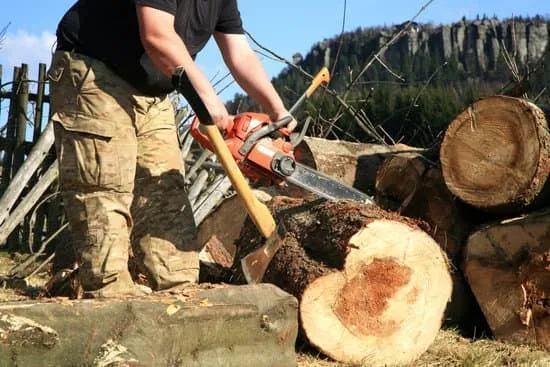
The technique transforms problematic oversized trees into manageable assets that continue providing environmental benefits whilst meeting commercial space requirements. Professional pollarding can extend tree life by 20-30 years whilst maintaining the aesthetic and ecological value essential for quality business environments.
Call 0141-483-7485 to discover whether your commercial trees are suitable candidates for professional pollarding transformation.
Commercial Benefits for Business Properties
Space management represents the primary driver for commercial pollarding, enabling businesses to maintain valuable trees within constrained urban environments. Pollarded trees require 60-70% less space than naturally growing specimens whilst providing equivalent environmental benefits including air purification, carbon sequestration, and temperature moderation.
Risk mitigation through professional pollarding dramatically reduces liability exposure from falling branches, storm damage, and tree-related accidents. Insurance companies increasingly require evidence of professional tree maintenance, with many offering premium reductions for properties demonstrating proactive tree management through certified arboricultural services.
Utility clearance becomes manageable through regular pollarding cycles, maintaining safe distances from power lines, telecommunications equipment, and building infrastructure. This prevents costly emergency clearance work and reduces the risk of service disruptions that could impact business operations and customer access.
Property aesthetics enhance significantly through professional pollarding, creating uniform, well-managed landscapes that project professional competence and environmental responsibility – crucial factors for businesses seeking to attract customers, tenants, and quality staff.
Commercial vs Domestic Pollarding Requirements
Commercial pollarding operates on an entirely different scale from residential tree services, requiring specialist equipment, enhanced safety protocols, and comprehensive risk management procedures that most domestic tree services cannot provide.
Legal obligations under the Health and Safety at Work Act 1974 place significantly greater responsibilities on commercial property owners compared to homeowners. Business premises must demonstrate duty of care to employees, customers, and the general public, making professional tree management a legal necessity rather than aesthetic choice.
Planning considerations differ substantially for commercial properties, often involving protected trees in conservation areas, complex insurance requirements, and coordination with multiple stakeholders including tenants, local authorities, and utility companies.
Our partnership with CNJ Tree Services provides access to commercial-grade equipment essential for major projects whilst maintaining the personal service quality that sets us apart.
Scheduling flexibility becomes crucial for commercial clients requiring out-of-hours working, weekend availability, and minimal disruption to business operations – requirements that demand professional project management and commercial understanding.
For residential pollarding services focused on homeowner needs and smaller-scale projects, visit our domestic tree services page which addresses garden aesthetics and property maintenance priorities.
Why Commercial Properties Choose Professional Pollarding
Legal Compliance and Business Risk Management
Every commercial property owner carries legal duties under the Health and Safety at Work Act 1974 to ensure trees don’t pose risks to anyone accessing business premises. Failing to maintain dangerous trees can result in prosecution, substantial fines, and personal liability for accidents affecting employees, customers, or the general public.
Professional pollarding eliminates liability risks by removing weak, dead, and overextended branches before they can fail during storms or high winds. Glasgow Trees carries £5 million public liability insurance, providing complete protection during all commercial tree work whilst demonstrating the professional standards essential for business environments.
Research shows that professional tree maintenance prevents 89% of tree-related accidents on commercial premises, making pollarding essential risk management for responsible businesses. Our comprehensive documentation supports insurance claims and demonstrates due diligence to HSE inspectors, protecting your business from legal complications and financial exposure.
Emergency situations require immediate professional response – our 24/7 service ensures dangerous trees never threaten business continuity or public safety, with rapid mobilisation preventing minor issues from becoming major liabilities.
Operational and Financial Benefits
Predictable maintenance cycles enable effective budget planning with commercial pollarding typically requiring attention every 2-5 years depending on species and growth rates. This regularity provides significant advantages over reactive tree management, which often results in expensive emergency callouts and operational disruption during critical business periods.
Cost-effective long-term management through professional pollarding extends tree lifespan whilst controlling size, providing better return on investment than repeated removal and replanting cycles. Trees managed through proper pollarding typically live 20-30 years longer than specimens subjected to amateur pruning or neglect.
Business continuity protection represents a crucial benefit, with professionally pollarded trees showing dramatically improved storm resistance compared to unmaintained specimens. This reduces the risk of weather-related closures and expensive emergency repairs that can devastate business operations during critical trading periods.
Property value maintenance through attractive, well-managed landscapes enhances commercial property valuations and tenant appeal. Professional tree management demonstrates environmental stewardship that increasingly influences corporate location decisions and customer perceptions.
Urban Environment Advantages
Glasgow maintains 15% tree canopy coverage – significantly above the UK urban average of 13% – demonstrating the city’s environmental leadership and creating both opportunities and challenges for commercial property managers seeking to balance business needs with environmental responsibilities.
Dense urban environments necessitate space-efficient tree management solutions that maintain environmental benefits whilst addressing practical constraints around buildings, vehicle access, and pedestrian safety. Professional pollarding provides this balance by creating manageable trees that continue contributing to Glasgow’s urban forest whilst meeting commercial operational requirements.
Pollution tolerance often improves in pollarded trees as the dense regrowth creates more resilient canopies better adapted to urban conditions including vehicle emissions, dust, and confined growing spaces. This enhanced urban adaptability makes pollarded trees particularly valuable for commercial properties in busy city centre locations.
Partnership capabilities through CNJ Tree Services enable us to handle complex urban pollarding projects requiring specialist access equipment, confined space working, and coordination with utilities – essential capabilities for major commercial properties in Glasgow’s dense urban environment.
Glasgow Trees’ Commercial Pollarding Expertise
Professional Qualifications and Experience
Glasgow Trees brings nearly 20 years of commercial tree care experience to businesses across Glasgow and Central Scotland, combining deep local knowledge with industry-leading qualifications to deliver exceptional results for commercial clients seeking reliable, professional tree management solutions.
Every team member holds NPTC certification – the gold standard for professional tree surgery in the UK – with continuous professional development ensuring our arborists remain current with the latest pollarding techniques, safety protocols, and environmental best practices essential for commercial tree care.
Our partnership with CNJ Tree Services transforms our capabilities for major commercial projects whilst preserving the personal, community-focused approach that has made us Glasgow’s trusted choice for business tree care. Owner-operated by Callum, who maintains hands-on involvement in every project, CNJ provides access to specialist equipment and enhanced capacity without compromising quality or reliability.
Major commercial clients include property management companies, healthcare facilities, educational institutions, and retail centres across Glasgow, Paisley, East Kilbride, Hamilton, and throughout Central Scotland, demonstrating our proven ability to deliver professional results for diverse business sectors.
Commercial Equipment and Capabilities
CNJ Tree Services partnership provides access to commercial-grade equipment unavailable to smaller tree surgery companies, including large access platforms reaching 30+ metres, industrial-capacity chippers, and heavy lifting machinery essential for major commercial pollarding projects.
Our fleet capability enables simultaneous work on multiple trees, reducing project timescales and minimising disruption to business operations whilst maintaining the safety standards essential for commercial environments. Owner-operated quality control ensures every project meets our exacting standards whilst providing the reliability and accountability crucial for commercial scheduling.
Extended service coverage spans Glasgow, Stirling, Falkirk, and throughout Central and West Scotland, enabling us to serve multi-site commercial clients with consistent quality and competitive pricing across all locations without the coordination challenges of multiple contractors.
Strategic positioning in Fintry, between Glasgow and Stirling, provides rapid response times across our entire commercial service area whilst maintaining cost-effective mobilisation for major projects requiring specialist equipment and extended working periods.
Comprehensive Commercial Process
Step 1: Business-Focused Site Assessment
Species suitability evaluation represents the critical first step, as not all trees respond well to pollarding. Our certified arborists assess tree health, species characteristics, age, and structural condition to determine whether pollarding will benefit the tree and meet your commercial objectives without creating additional risks or complications.
Commercial requirements analysis examines space constraints, access needs, safety considerations, and aesthetic requirements specific to your business operations and customer experience. We evaluate proximity to buildings, utility lines, vehicle routes, and pedestrian areas to develop pollarding solutions that enhance rather than compromise your commercial operations.
Regulatory compliance checking identifies all legal requirements including Tree Preservation Orders, conservation area restrictions, and planning permissions that may affect your commercial property. Site visits are arranged within 24-48 hours of initial contact, ensuring rapid project progression for urgent commercial requirements.
Step 2: Professional Project Planning
Transparent commercial pricing provides detailed, fixed-price quotations with comprehensive breakdowns of all work elements including pollarding execution, waste removal, site cleanup, and safety measures. Our pricing includes everything required for project completion with no hidden costs or unexpected charges that could disrupt commercial budgets.
Method statements and risk assessments satisfy health and safety compliance requirements for commercial properties, providing documentation that demonstrates professional standards to insurance companies and regulatory inspectors whilst protecting your business from liability exposure.
Business disruption minimisation through careful scheduling accommodates commercial operational requirements, including out-of-hours and weekend working where necessary to avoid interfering with customer access, staff activities, or business-critical operations.
Step 3: Expert Execution and Follow-up
Professional pollarding techniques promote healthy regrowth and tree longevity through precise cutting methods that follow natural growth patterns and encourage dense, attractive canopy development. Certified arborist supervision ensures quality control throughout every project with regular progress updates and immediate communication of any variations discovered during work.
Minimal business disruption through efficient, well-coordinated work practices ensures commercial operations continue smoothly whilst tree work progresses. Our £5 million public liability insurance provides complete protection during all commercial pollarding work, giving you confidence that business premises and operations remain fully protected.
Complete waste removal and site cleanup leaves premises immediately ready for normal business operations, with comprehensive debris removal and surface cleaning to professional standards that maintain your business’s professional appearance throughout project completion.
Commercial Pollarding Pricing and Investment Value
Transparent Commercial Pricing Structure
Small commercial trees up to 5 metres: £350-£600 per tree – Ideal for young specimens, entrance features, and car park plantings requiring size control whilst maintaining attractive appearance and environmental benefits for customer-facing business areas.
Medium commercial trees 5-10 metres: £600-£1,000 per tree – Suitable for established specimens requiring substantial crown work, including most common urban species like London Plane, Lime, and Ash found throughout Glasgow’s commercial districts and business parks.
Large commercial trees over 10 metres: £1,000-£2,500+ per tree – Reserved for major specimens requiring specialist access equipment and extended work periods, often featuring complex rigging and sectional techniques essential for trees in confined commercial spaces.
Multi-tree projects and commercial estates qualify for volume discounts reflecting efficiency gains from coordinated work programmes. Annual maintenance contracts provide preferential pricing for ongoing commercial tree management with scheduled pollarding cycles that support budget planning and operational continuity.
Additional services including stump grinding, waste processing, and replacement planting can be bundled for comprehensive commercial landscape management solutions with competitive pricing for integrated service delivery.
Factors Affecting Commercial Pollarding Costs
Tree species and condition significantly influence pricing, with different species requiring varying techniques, time allocation, and specialist knowledge. Fast-growing species like Willow typically cost less due to easier cutting characteristics, whilst slower-growing hardwoods like Oak require more careful handling and extended work periods.
Site access requirements and safety considerations affect equipment needs and labour allocation for commercial projects. Confined spaces, building proximity, and utility line clearance require specialist techniques and additional safety measures that influence overall project costs whilst ensuring complete protection for business premises.
Waste disposal volumes vary substantially between pollarding projects, with the technique generating significant green waste requiring professional removal and processing. Our zero waste policy ensures all material is recycled into useful products, but larger commercial projects may require specialist disposal arrangements affecting overall pricing.
Partnership capabilities through CNJ Tree Services often reduce overall costs by eliminating the need for multiple contractors and providing access to specialist equipment that would otherwise require expensive hiring arrangements from third-party suppliers.
Return on Investment for Businesses
Insurance premium reductions through demonstrated professional tree management often offset pollarding costs within 2-3 years, with many insurers offering discounts for properties showing proactive risk management through certified arboricultural services and comprehensive maintenance documentation.
Avoided emergency costs represent significant savings, with professional maintenance preventing expensive storm damage, emergency callouts, and business disruption that can cost thousands in lost revenue and repair expenses during critical trading periods.
Extended tree lifespan through proper pollarding provides better return on investment than repeated removal and replanting cycles. Trees managed professionally can live 20-30 years longer than specimens subjected to amateur pruning or neglect, reducing long-term landscape replacement costs.
Property value enhancement through attractive, well-managed landscapes improves commercial property valuations and tenant appeal. Professional tree management demonstrates environmental responsibility that increasingly influences corporate location decisions and enhances business reputation with environmentally conscious customers and stakeholders.
Suitable Tree Species for Commercial Pollarding
Ideal Species for Business Properties
London Plane (Platanus × acerifolia) represents the gold standard for commercial pollarding applications due to excellent urban tolerance, pollution resistance, and reliable regrowth characteristics. This species handles confined root spaces effectively whilst producing dense, attractive canopies within one growing season following professional pollarding.
Regular pollarding response makes London Plane predictable for budget planning, with typical maintenance cycles every 4-5 years enabling accurate cost forecasting for commercial property managers. The species’ proven success in business districts throughout Glasgow makes it an excellent choice for professional commercial environments requiring reliable, attractive tree management.
Lime Trees (Tilia species) produce exceptionally dense foliage following pollarding, creating formal, attractive appearances suitable for prestigious business premises and customer-facing commercial areas. Reliable regrowth patterns enable predictable maintenance scheduling essential for commercial budget planning and operational continuity.
Urban adaptability makes Lime ideal for commercial environments with proper professional management, whilst the species’ tolerance for regular pollarding cycles provides long-term sustainability for commercial landscape investment and environmental credentials.
Willow (Salix species) offers rapid growth response with quick recovery and dense canopy development following professional pollarding. This makes Willow excellent for commercial properties requiring fast results and dramatic improvement in tree appearance and safety within a single growing season.
Species to Avoid in Commercial Settings
Conifers and evergreen species are generally unsuitable for pollarding as they rarely recover properly from the technique and may suffer permanent damage or death. Most coniferous trees lack the dormant buds necessary for successful regrowth following branch removal, making pollarding inappropriate and potentially destructive.
Cherry and ornamental fruit trees prove prone to disease following pollarding, with poor regrowth characteristics that create ongoing maintenance problems and potential safety risks for commercial properties. These species often develop weak branch attachments following pollarding attempts, creating liability concerns inappropriate for business environments.
Mature Oak trees over 20 years old typically show slow recovery and potential health complications following pollarding, making the technique unsuitable for established specimens. Younger Oak trees may respond better, but professional assessment remains essential to avoid damaging valuable mature trees.
Our professional assessment determines species suitability during site evaluation, preventing inappropriate pollarding attempts that could damage trees and create additional problems for commercial property managers seeking effective tree management solutions.
Species-Specific Commercial Considerations
Growth rate predictions enable accurate maintenance scheduling and budget planning for different species, with fast-growing varieties like Willow requiring attention every 2-3 years whilst slower species may go 4-5 years between pollarding cycles essential for commercial planning.
Seasonal timing requirements vary between species to minimise business disruption whilst maximising tree health outcomes. Most deciduous species benefit from late winter pollarding when trees are dormant, though some species like Maple require specific timing to prevent bleeding and ensure optimal recovery.
Regrowth management ensures continued commercial property aesthetics throughout the growing season following pollarding, with species-specific guidance helping property managers understand what to expect and how to maintain professional appearances during tree recovery periods.
Professional guidance on species selection for new commercial developments helps businesses choose trees that will respond well to pollarding management, ensuring long-term landscape success and reduced maintenance complications for commercial property investment.
Commercial Pollarding Timing and Maintenance Cycles
Optimal Timing for Commercial Properties
Late winter and early spring (February-March) represent ideal timing for most deciduous species commonly found on commercial properties, when trees remain dormant and cutting wounds heal rapidly as growing season commences. This timing minimises stress on trees whilst reducing disease risk and promoting vigorous regrowth.
Dormant season benefits include reduced tree stress and optimal wound healing as trees prepare for spring growth. Weather conditions during this period typically allow efficient working without the complications of leaf coverage that can obscure cutting points and increase waste volumes requiring disposal.
Business scheduling advantages often coincide with quieter commercial periods, enabling pollarding work to proceed with minimal disruption to customer access and staff operations. Many businesses find late winter timing convenient for landscape maintenance that enhances property appearance before busy spring and summer trading periods.
Species-specific exceptions require professional guidance, particularly for Maple species that must be pollarded during late winter to prevent sap bleeding. Emergency pollarding remains available year-round for safety-critical situations threatening business operations or public safety.
Commercial Maintenance Scheduling
Typical pollarding cycles range from 2-5 years depending on species characteristics and growth rates, with fast-growing species requiring more frequent attention to maintain size control and attractive appearance essential for commercial properties.
Fast-growing species like Willow and Lime may require pollarding every 2-3 years to prevent them outgrowing manageable size and compromising the aesthetic or safety benefits that motivated initial pollarding decisions for commercial landscape management.
Slower-growing species including London Plane and Ash typically manage 4-5 year cycles between pollarding maintenance, providing longer intervals that may better suit commercial budget cycles and operational planning requirements for property management.
Commercial planning benefits from predictable schedules that enable effective budget forecasting and operational coordination. Contract options include multi-year agreements with scheduled maintenance and preferential pricing that reduce administrative burden whilst ensuring consistent tree care quality.
Business Continuity Considerations
Out-of-hours working accommodates commercial operational requirements through evening and weekend scheduling options that minimise disruption to customer access, staff activities, and business-critical operations requiring uninterrupted premises access.
Seasonal planning coordinates with business quiet periods and customer patterns to identify optimal timing for pollarding work. Many retail businesses prefer winter scheduling to avoid disruption during peak trading periods, whilst office complexes may prefer summer timing when many staff take holidays.
Emergency flexibility ensures rapid response for storm damage or safety-critical situations requiring immediate pollarding intervention. Weather contingency planning includes flexible rescheduling for adverse conditions that could affect work quality or safety standards essential for commercial environments.
Advance notice of minimum 2 weeks for planned maintenance projects enables commercial property managers to coordinate with tenants, schedule around important business activities, and communicate potential minor disruptions to stakeholders requiring premises access.
Commercial Service Areas and Client Sectors
Glasgow Commercial Districts Coverage
City Centre and Financial District tree management addresses the unique challenges of Glasgow’s historic business core, where mature trees must balance heritage conservation requirements with modern commercial needs including vehicle access, pedestrian safety, and building protection.
Our local expertise understands complex planning restrictions and conservation requirements affecting central Glasgow commercial properties, ensuring pollarding work complies with all regulations whilst meeting business operational requirements and aesthetic standards essential for prestigious business addresses.
Retail and hospitality venues require particular attention to customer safety and aesthetic presentation through professional pollarding that maintains attractive business premises whilst eliminating liability risks from overgrown trees in car parks, outdoor dining areas, and pedestrian approaches to commercial buildings.
Mixed-use developments present complex tree management challenges requiring coordination between residential and commercial interests. Our comprehensive approach addresses all stakeholder requirements whilst maintaining cost-effective solutions for property managers serving diverse tenant and customer populations.
Industrial and Business Parks across East Kilbride, Paisley, and Hamilton benefit from our understanding of utility clearance requirements, vehicle access needs, and operational continuity priorities essential for manufacturing, distribution, and technology facilities requiring uninterrupted business operations.
Commercial Client Types We Serve
Property Management Companies managing multiple sites receive consistent quality and competitive pricing across all locations, with comprehensive documentation and maintenance scheduling supporting their client reporting requirements and regulatory compliance obligations across diverse commercial property portfolios.
Professional liaison with tenants and stakeholders ensures smooth service delivery whilst maintaining the high standards property management companies require for client satisfaction and contract retention in competitive commercial property markets.
Healthcare Facilities require enhanced safety protocols and infection control considerations during tree work, with minimal disruption to critical healthcare operations essential for patient care and staff safety. Our team provides specialist services ensuring pollarding work meets enhanced protection standards without compromising medical facility operations.
Holiday scheduling accommodates healthcare operational requirements, with flexible timing that avoids critical periods and coordinates with facility management to ensure continued patient access and emergency service availability throughout tree work completion.
Educational Institutions benefit from child safety expertise and academic calendar coordination that accommodates school operational requirements whilst ensuring playground and campus safety throughout the academic year. Our enhanced safety protocols meet the rigorous standards required for environments with vulnerable populations.
Retail Centres and Shopping Complexes receive aesthetic enhancement and customer safety services that maintain attractive shopping environments whilst eliminating risks from overgrown trees in car parks, pedestrian areas, and outdoor retail spaces essential for customer experience and business success.
Customer safety prioritisation in high-traffic areas ensures pollarding work enhances rather than compromises the shopping experience, with careful scheduling and site management that maintains business operations whilst improving long-term safety and aesthetic standards.
Local Authority and Public Sector clients benefit from our regulatory compliance expertise, ensuring adherence to all planning and safety requirements whilst providing budget-conscious solutions that deliver value-for-money tree management for public funds and community benefit.
Environmental Benefits and Sustainability
Supporting Glasgow’s Urban Forest Strategy
Glasgow’s environmental leadership through 15% tree canopy coverage significantly exceeds the UK urban average of 13%, demonstrating the city’s commitment to urban forestry and creating opportunities for businesses to contribute to environmental excellence through professional tree management.
Carbon sequestration continues through professional pollarding, with managed trees maintaining their climate benefits whilst fitting commercial space requirements. Pollarded trees often sequester more carbon than neglected specimens due to improved health and vigorous regrowth that maximises photosynthetic capacity.
Air quality improvement remains effective with pollarded trees continuing to filter urban pollutants whilst requiring less space than naturally growing specimens. The dense regrowth following professional pollarding often provides superior pollution filtering compared to sparse, unmaintained canopies.
Biodiversity support is enhanced through managed trees that provide improved wildlife habitat opportunities compared to stressed or declining specimens. Professional pollarding creates diverse canopy structures that support various bird species and insects essential for urban ecosystem health.
Clyde Climate Forest participation positions Glasgow Trees as environmental leaders supporting citywide environmental initiatives, enabling commercial clients to demonstrate environmental stewardship through partnership with recognised environmental advocates contributing to Glasgow’s green future.
Sustainable Commercial Tree Management
Extended tree lifespan through professional pollarding adds 20-30 years to tree life compared to neglected specimens, providing better return on commercial landscape investment whilst maintaining environmental benefits throughout extended productive periods essential for long-term sustainability.
Zero waste policy ensures 100% of pollarding material is recycled into useful products including woodchip for landscaping, biomass fuel for renewable energy, and composted organic matter for horticultural applications. This approach eliminates landfill costs whilst supporting circular economy principles increasingly important for corporate environmental reporting.
Native species promotion and climate adaptation guidance helps commercial properties choose trees better suited to Glasgow’s changing climate conditions whilst maintaining the environmental benefits essential for urban sustainability and corporate environmental credentials.
Ecosystem services maintenance through professional management ensures pollarded trees continue providing temperature moderation, stormwater management, and air purification benefits essential for urban environmental quality whilst meeting commercial space and safety requirements.
Corporate sustainability support through professional tree care enhances business environmental credentials, providing documentation for sustainability reporting requirements and demonstrating environmental responsibility that influences customer perception and stakeholder confidence.
Climate Adaptation and Resilience
Storm resistance improvement through professional pollarding significantly reduces wind resistance and branch failure risk during extreme weather events increasingly common with climate change. Pollarded trees show 60-70% better survival rates during severe storms compared to unmaintained specimens.
Urban heat island mitigation continues through managed canopies that provide controlled cooling benefits whilst maintaining the space efficiency essential for dense commercial environments. Professional pollarding optimises shade provision without the excessive coverage that can create problems for business operations.
Water management benefits persist with pollarded trees maintaining soil stabilisation and drainage benefits whilst requiring less root space than naturally growing specimens. This makes them ideal for commercial properties with underground utilities and limited growing space.
Future climate preparation through species and management advice ensures commercial landscapes remain viable under changing conditions whilst maintaining the environmental benefits increasingly required for corporate environmental compliance and stakeholder expectations.
Emergency Commercial Pollarding Services
24/7 Commercial Emergency Response
Storm damage assessment and immediate site safety services ensure business premises remain secure following severe weather events that could compromise tree stability and threaten commercial operations. Our rapid response teams mobilise within 2-4 hours to assess damage and implement temporary safety measures protecting staff, customers, and property.
Emergency pollarding for business continuity eliminates risks that could force premises closure or evacuation during critical trading periods. Dangerous tree situations receive immediate priority with specialist equipment and experienced personnel deployed to restore safety rapidly whilst minimising disruption to commercial operations.
Utility line clearance and infrastructure protection prevents power outages and service disruptions that could cost thousands in lost business revenue during emergency situations. Our utility expertise ensures safe, efficient clearance without service interruptions that could compromise business operations or customer access.
Insurance claim documentation and professional reporting provides essential evidence supporting business insurance claims following storm damage or emergency tree situations. Comprehensive reporting accelerates claim processing and ensures maximum recovery for commercial property damage and business interruption losses.
Emergency Situations Requiring Immediate Pollarding
Wind damage and partial crown failure often necessitate emergency pollarding to prevent complete tree collapse that could damage buildings, vehicles, or injure people accessing commercial premises. Immediate reduction eliminates ongoing risks whilst preserving tree life where possible through professional techniques.
Disease outbreak situations may require emergency pollarding to prevent spread to neighbouring trees that could compromise entire commercial landscapes. Rapid intervention through professional assessment determines appropriate reduction levels to contain disease whilst maintaining tree viability where possible.
Construction damage affecting root systems or trunk integrity often requires immediate pollarding to reduce crown load and prevent tree failure following accidental damage during building work or utility installation affecting commercial properties.
Utility conflicts requiring emergency clearance when trees threaten essential services including power lines, telecommunications, or emergency access routes essential for business operations and public safety in commercial environments.
Commercial Emergency Response Capabilities
Rapid mobilisation with emergency teams available within 2-4 hours across Glasgow and Central Scotland, ensuring dangerous tree situations never compromise business safety or operational continuity during critical periods requiring immediate professional intervention.
Specialist equipment through CNJ partnership provides immediate access to emergency machinery including large access platforms, industrial chippers, and heavy lifting equipment essential for complex emergency pollarding operations in confined commercial spaces.
Site security and temporary safety measures including warning signs, barrier installation, and pedestrian diversions ensure commercial premises remain safe for continued operation whilst emergency tree work progresses without compromising customer or staff access.
Business liaison and continuous communication with commercial property managers ensures minimal disruption to operations whilst keeping stakeholders informed of progress and any temporary access restrictions required for safety during emergency work completion.
For Free Quotation and Expert Advice
Click to Call Now!
Frequently Asked Questions
What makes pollarding different from tree topping for commercial properties?
Pollarding is a professional arboricultural technique following British Standards BS3998:2010 that involves cutting branches back to a predetermined height of typically 2-3 metres, creating a framework that promotes healthy, controlled regrowth. Unlike destructive tree topping, pollarding employs precise cuts at natural growth points made by NPTC certified arborists who understand tree biology and proper healing processes. Tree topping indiscriminately cuts through branches leaving large wounds that invite disease and decay, whilst pollarding creates manageable cuts that heal properly and encourage vigorous regrowth. For commercial properties, this distinction is crucial as improper topping creates ongoing liability risks, weakens tree structure, and often requires expensive remedial work, whilst professional pollarding enhances tree health, reduces long-term maintenance costs, and provides predictable management cycles essential for commercial budget planning and risk management.
How much does commercial pollarding cost in Glasgow?
Commercial pollarding costs vary based on tree size, species, and site complexity affecting equipment and labour requirements. Small commercial trees up to 5 metres typically cost £350-£600 per tree, medium specimens between 5-10 metres range from £600-£1,000, whilst large trees over 10 metres can cost £1,000-£2,500 or more depending on access requirements and specialist equipment needs. Factors affecting pricing include site access constraints, waste disposal volumes, safety considerations, and proximity to buildings or utilities that may require specialist techniques or additional precautions. Multi-tree projects often qualify for volume discounts reflecting efficiency gains from coordinated work programmes, and annual maintenance contracts provide preferential pricing for ongoing commercial tree management. We provide transparent, fixed-price quotations with no hidden costs, ensuring budget certainty essential for commercial property planning whils
Which tree species are suitable for commercial pollarding?
Not all tree species respond well to pollarding, making professional assessment essential before proceeding with commercial tree management decisions. Suitable species for commercial properties include London Plane, Lime, Willow, Ash, and certain Poplar varieties – all proven performers known for vigorous regrowth following professional pollarding. London Plane is particularly popular in commercial settings due to excellent urban pollution tolerance, reliable pollarding response, and predictable maintenance cycles that support commercial budget planning. Species to avoid include most conifers, ornamental cherry trees, and mature oak trees over 20 years old, as these may struggle to recover or become prone to disease following pollarding attempts. Our certified arborists conduct thorough species suitability assessments during site visits, considering factors including tree age, health condition, growing environment, and specific commercial property requirements before recommending pollarding as an appropriate management solution for your business premises.
How often do commercial trees need pollarding maintenance?
Commercial pollarding typically requires maintenance every 2-5 years depending on tree species characteristics and growth rates affecting size control and aesthetic standards essential for business environments. Fast-growing species like Willow and Lime may need attention every 2-3 years to maintain manageable size and attractive appearance, whilst slower-growing trees such as London Plane can often go 4-5 years between pollarding cycles. The maintenance schedule depends on your specific business requirements including desired tree size, aesthetic standards, safety considerations around buildings and access routes, and budget planning preferences for predictable landscape management costs. Regular maintenance prevents trees from outgrowing their managed size whilst maintaining the dense, attractive canopy that professional pollarding produces. For commercial properties, predictable maintenance cycles enable effective budget planning and operational scheduling, with many businesses choosing annual contracts that provide scheduled maintenance, preferential pricing, and guaranteed availability for ongoing professional tree management.
Do we need planning permission for commercial tree pollarding?
Many commercial trees are protected by Tree Preservation Orders (TPOs) or located in conservation areas requiring council permission before any tree work can commence legally. Glasgow has 24 conservation areas with specific regulations governing tree work, and individual trees may have TPO protection regardless of location, particularly in business districts with heritage considerations. As professional arborists with extensive Glasgow experience, we check all legal requirements during our site assessment and handle planning applications on your behalf at no additional charge, including liaising with Glasgow City Council’s Tree Preservation Officer and preparing necessary documentation for approval. This comprehensive approach protects your business from potential fines, prosecution, or work delays that could result from unauthorised tree surgery on protected specimens. Our local expertise ensures we understand all relevant planning constraints affecting commercial properties in different Glasgow districts, enabling smooth project progression whilst maintaining full regulatory compliance throughout.
Can pollarding work be scheduled around business operations?
Absolutely. We understand that minimising disruption to business operations is paramount for commercial clients, so we offer completely flexible scheduling including evening work, weekend projects, and holiday coverage where necessary to accommodate your operational requirements without compromising customer access or staff activities. Our team coordinates closely with facilities management to ensure tree work doesn’t interfere with business-critical activities, customer experience, or revenue-generating operations essential for commercial success. For planned maintenance, we typically provide minimum 2-week advance notice and work with your preferred scheduling to find optimal timing that suits your business calendar and operational priorities. Emergency situations receive immediate response regardless of timing, with our 24/7 availability ensuring dangerous tree situations never compromise business safety, operational continuity, or customer access. This operational flexibility, combined with efficient work practices, ensures professional pollarding enhances rather than disrupts your commercial property management whilst delivering the safety and aesthetic benefits essential for business success.
What happens to waste material from commercial pollarding?
All waste material is completely removed from your commercial premises as part of our comprehensive service package ensuring your business environment remains clean and professional throughout project completion. We operate a strict zero waste policy, recycling all branches, logs, and green debris into useful products including woodchip for landscaping, biomass fuel for renewable energy, and composted organic matter for horticultural applications. Commercial pollarding projects often generate substantial volumes of green waste due to the nature of the technique and typical tree sizes involved in business property management, which we handle efficiently using our partnership fleet and processing capabilities. We can arrange for materials to be converted into specific products supporting your business’s environmental objectives, providing documentation for sustainability reporting requirements and demonstrating corporate commitment to circular economy principles that enhance environmental credentials with customers and stakeholders increasingly focused on corporate environmental responsibility.
How does pollarding affect tree root systems and building foundations?
Pollarding primarily affects the above-ground portions of trees and does not directly impact root systems or building foundations, making it an excellent choice for commercial properties with space constraints and infrastructure considerations. The technique involves cutting branches back to a predetermined height whilst leaving the trunk and main framework intact, so root structure remains largely unchanged from pollarding activities. However, by reducing the tree’s crown size, pollarding may indirectly influence root development as less energy is produced through photosynthesis, potentially slowing root expansion that could affect nearby foundations or underground utilities. This effect is typically minimal and temporary, as trees usually return to normal growth patterns following recovery from professional pollarding. For commercial properties concerned about foundation impacts, pollarding can actually be beneficial as it maintains trees’ environmental benefits whilst controlling overall size and reducing the risk of future root expansion issues that could damage buildings, car parks, or underground infrastructure essential for business operations.
Get Your FREE Commercial Pollarding Assessment
Professional Evaluation for Glasgow Business Properties
Glasgow Trees provides comprehensive commercial pollarding assessments with detailed site evaluations and no-obligation quotations tailored specifically to business requirements and commercial property constraints. Our certified arborists examine tree species suitability, health conditions, and commercial operational needs to recommend optimal pollarding solutions that enhance safety whilst maintaining environmental benefits essential for modern business environments.
Partnership advantage through CNJ Tree Services ensures we can handle any scale of commercial pollarding project – from individual specimen trees requiring careful management to major business park renovations involving multiple species and complex access requirements – whilst maintaining our personal, community-focused approach that has served Glasgow’s commercial sector with distinction for nearly 20 years.
Our assessment includes comprehensive species suitability evaluation, legal compliance checking, and transparent pricing with fixed quotations providing the budget certainty essential for commercial property planning, facilities management decision-making, and long-term landscape investment strategies.
Contact Glasgow Trees for Commercial Pollarding Services
📞 Call 0141-483-7485 for immediate assistance with commercial pollarding throughout Glasgow, Paisley, East Kilbride, Hamilton, and Central Scotland.
- FREE assessments within 4 hours of contact
- NPTC certified arborists with 30+ years combined experience
- £5 million public liability insurance guaranteed
- 24/7 emergency response across Glasgow and Central Scotland
- All legal permissions and planning applications handled FREE
- No damage guarantee on all commercial work
- Complete waste removal and site cleanup included
- Partnership capabilities for enhanced service delivery
- Environmental responsibility with zero waste policy
- Transparent pricing with no hidden costs
Commercial Service Areas: Glasgow city centre, business parks, retail complexes, industrial estates, Paisley, East Kilbride, Hamilton, Rutherglen, Cambuslang, Bearsden, Clydebank, Bishopbriggs, Stirling, Falkirk, and throughout Central and West Scotland’s commercial districts and business environments.
Emergency Contact: Available 24/7 for dangerous tree situations threatening business premises, customer safety, or operational continuity requiring immediate professional pollarding intervention and expert arboricultural response.
Professional Standards: All commercial pollarding completed to BS3998:2010 standards with comprehensive method statements, risk assessments, and full insurance coverage protecting your business throughout project completion whilst ensuring regulatory compliance and professional excellence.
What a Commercial Pollarding Job With Us Actually Includes
- A free initial site visit to check species, height, condition, access and how close each tree stands to buildings, parking, signage or underground services before any price is given
- Species and age suitability assessment - fast-growing species such as willow, poplar, lime, plane, horse chestnut and sycamore generally respond well to hard pollarding, while mature oak, most conifers, birch and stone fruit species such as cherry and plum are poor candidates and are flagged rather than cut regardless
- Checking Tree Preservation Order and conservation area status with the council, and handling the paperwork - including the roughly six-week consultation period councils typically run - if permission is needed before cutting
- Pollarding cuts made to BS3998 at the tree's natural growth points, working from existing pollard bosses or knuckles where a tree has been cut before, rather than indiscriminate topping cuts at random points along the stem
- A written method statement and risk assessment for your health and safety file, prepared to a commercial standard rather than a generic domestic template
- Scheduling around your trading hours, including evening or weekend work where footfall, deliveries or tenant access mean daytime cutting is not practical
- Full removal of all arisings, with brash chipped on site and logs taken away rather than left in piles for someone else to deal with
- Bird nesting checks during the March to August nesting season, since active nests are protected by law and can mean adjusting the timing of the visit until fledging is complete
- Biosecurity precautions between sites, with tools and boots cleaned down before moving between commercial properties to avoid carrying disease such as ash dieback or Phytophthora from one job to the next
- Coordination with your on-site security or facilities team over access, parking, keys or fobs, and any pedestrian or vehicle management the site needs while cutting is underway
- A choice of access method suited to the site - climbing with rope and harness where ground is uneven or obstructed, or a mobile elevated work platform where clear, level access allows it and can speed the visit up
- A record of where each tree was cut and a recommended date for the next visit, so the site's pollarding cycle stays consistent rather than being re-assessed from scratch every time
- Sealing or treating cuts only where the species and wound size genuinely call for it, rather than routinely applying wound paint as a default - modern arboricultural practice treats most clean cuts as better left to callus over naturally
- A pre-work check of the immediate area for underground services, buried cabling or shallow drainage that rigging anchor points or a mobile platform's outriggers could otherwise damage
- Checking the ground itself before a mobile elevated work platform is used, since soft ground, buried services or a recent resurfacing can rule out that option even where the site otherwise looks suitable for it
- Verifying species identification against any existing landscaping or planting records the site holds, where the site contact has them, so the recommendation on suitability is checked against documented history rather than visual assessment alone
- Paperwork suitable for your own audit trail - the method statement, risk assessment and cutting record from every visit are prepared so they can be produced for an insurer, auditor or your own health and safety file without being chased up afterward
- Working with whichever site contacts are involved in a booking - landlord, managing agent or tenant - though it is worth confirming early on who is approving the work and receiving the invoice, since commercial trees often sit in exactly that kind of shared responsibility
- Fitting in with your site's own contractor induction or sign-in procedure where one applies, and sharing the written method statement with your own staff or other contractors working nearby so everyone on site knows where the exclusion zone will be during cutting
- Flagging honestly at the assessment stage where a tree's condition - significant trunk decay, a compromised root plate, or advanced dieback rather than the ordinary strain of a dry summer - makes it a poor pollarding candidate, rather than proceeding with a hard cut that risks tipping an already weakened tree toward failure
Not Included / Costed Separately
- Felling and complete removal of a tree - a different job from pollarding, priced separately if the site assessment finds that removal, rather than pollarding, is genuinely the better option
- Stump grinding, where a separate tree on the same site is being felled and removed rather than pollarded
- Replacement planting, hedge cutting or general grounds maintenance - these are available but quoted as their own jobs rather than bundled into a pollarding visit
- Multi-year maintenance contracts - available, and often the more cost-effective option over several cycles, but agreed and priced separately from a one-off pollarding visit
- Work on trees close enough to overhead lines to need contact with a live conductor, which is coordinated directly with the network operator rather than carried out as routine pollarding
- A licensed ecologist's involvement, where a bird nesting check finds an active nest - uncommon, but where it happens the work on that tree is rescheduled rather than proceeding regardless, and any ecologist input is arranged and costed separately
- Guaranteed same-week completion for every tree on a large multi-tree site - a big site is usually worked through over more than one visit where the number of trees or the rigging involved genuinely calls for it, and that is scoped honestly at the assessment stage rather than promised upfront and missed
- Crane hire for exceptionally large limbs beyond what rope and rigging can safely lower - identified at the site assessment and arranged separately where a site genuinely needs it
- Out-of-hours emergency response to a storm-damaged or already-failing tree - handled as a separate emergency call-out rather than folded into a scheduled pollarding visit, since the urgency and access requirements are different
- A full estate-wide tree risk survey covering every tree on a large site - available as its own inspection service where a facilities team needs a risk register, rather than something a single pollarding visit produces as a side effect
- Wound paint or sealant applied as standard - not carried out routinely, since it is not current arboricultural best practice for most species, though the reasoning is explained on site rather than simply left off without comment
- Weekend or evening working at no extra charge - out-of-hours scheduling is offered where a site needs it, but is priced to reflect the crew time involved rather than treated as a free add-on
- Circulating tenant or occupant notices on your behalf - the crew will work to whatever notice period your site runs, but sending that notice out is normally handled by your own facilities or management team rather than by the crew doing the cutting
How a Commercial Pollarding Visit Runs From Enquiry to Sign-Off
- Initial enquiry: You describe the site and what is driving the work - clearance under a sign, a car park entrance, an insurer's request, a planning condition - along with roughly how many trees are involved and any known access restrictions, so the visit can be booked with the right equipment in mind from the outset.
- Free site assessment: A qualified surveyor identifies each tree's species from bark, bud and where possible leaf or fruit, checks height, girth and general condition, looks for evidence of previous pollarding such as existing bosses or knuckles, and confirms Tree Preservation Order or conservation area status with the council before giving a fixed quote on the spot or shortly after. The surveyor also checks ground conditions and overhead clearance to work out whether a mobile elevated work platform is realistic or whether the job needs to be climbed, since that affects both price and timing. A tree with visible bosses from previous pollarding is generally a faster, more predictable visit than a first-time pollard on a tree with no cutting history, where the initial cut carries more influence over how the framework develops.
- Method statement, TPO and nesting checks: A written method statement and risk assessment are prepared for your file, any required council application is submitted and the roughly six-week consultation allowed for, and if the visit falls within the March to August nesting season the trees are checked for active nests before a start date is confirmed.
- Access and traffic setup on the day: Where the site borders a car park, delivery route or public path, cones, barriers or a banksman are put in place before cutting starts, vulnerable surfaces such as parked cars or glazing beneath the work area are protected, and the crew works around the trading hours agreed at booking. On sites with a shared access road, timing is worked out in advance so cutting does not clash with a scheduled delivery.
- The pollarding work itself: Cuts are made to BS3998 at the tree's natural growth points, using rope and harness climbing or a mobile elevated work platform depending on ground conditions, with cut sections lowered under control by rigging rather than dropped free wherever there is a car park, roof or shopfront below, while ground crew clear and chip debris continuously to keep the site tidy through the visit.
- Clearance, sign-off and invoicing: All brash is chipped and logs removed the same day, the area is swept and left clean, a short walk-round with your site contact confirms everything is as expected, and the method statement, risk assessment and a recommended date for the next cut are handed over for your records. A commercial invoice is issued to your business account, with the recommended dates noted so the next round of work can be scheduled ahead of time.
What Commercial Pollarding Typically Costs
Commercial pollarding is priced per tree, and the main variables are height, species, access and how much rigging or rope work a limb needs to come down safely over a car park, roof or shopfront rather than open ground. A single-tree job on an easy-access site with clear, level ground for a mobile elevated work platform costs noticeably less than a mature specimen that has to be worked entirely from rope and harness with every section lowered by rigging to protect parking or glazing below. Species plays a part too - a large, dense-crowned lime or horse chestnut generally takes longer to cut and clear than a willow or poplar of similar height, simply because there is more material to bring down and process. Sites with several trees on the same visit are usually more cost-effective per tree than a single one-off call-out, since the site setup, access equipment and waste collection are shared across the visit rather than repeated for each tree. Where cutting takes place next to a live carriageway, a busy delivery route or a pedestrian entrance, traffic management adds to the job, and that is identified and costed at the site visit rather than assumed in advance. Disposal is normally covered by chipping on site and hauling arisings away in the same visit, but a site with very limited vehicle access for a chipper can add time and cost to the clearance stage, and this is exactly the kind of detail that only shows up on an actual site visit rather than from a description over the phone. Ground protection - boards laid down to spread the load of a mobile platform or protect soft grass and paving from vehicle tracking - is included where the site assessment identifies it as needed, rather than charged as a surprise addition once work is already under way. As with most commercial work, invoicing is typically arranged against a business account rather than settled on the day, and VAT applies as it would to any other commercial service. A full, fixed price needs the site visit, since access and the tree's actual condition cannot be judged accurately from a phone description or photographs alone - the assessment and quote are free either way, so there is no cost in finding out. Commercial pollarding also tends to sit at a higher specification than the same technique carried out on a single domestic garden tree, and that shows up in the price: a business site typically needs a written method statement and risk assessment as standard, traffic management or pedestrian control where the work borders a car park or public route, and scheduling around trading hours rather than whenever suits the crew, all of which take time to arrange properly. Where a site is booking several trees across more than one visit a year, or has a mix of pollarding and other grounds work, it is worth asking about a scheduled arrangement at the same time as the first quote - it does not change what any individual visit costs, but it does mean pricing for the year ahead is agreed once rather than re-quoted from scratch each time. It is also worth flagging any time-sensitive factor at enquiry stage - a lease break clause requiring trees to be brought within a certain height by a fixed date, or an insurer's renewal deadline - since that can affect how the work is sequenced against other bookings. Two sites of similar size rarely end up with identical quotes even for what looks like the same job, because the actual cost drivers - tree height and spread, number of stems, how far cut sections have to be carried or lowered, and whether the ground supports mechanical access - vary from one property to the next even where the species and rough number of trees are the same. None of that variation is a reason to expect an unpredictable bill, though - it is the reason a fixed price is only ever given after the site visit rather than promised over the phone. Photos sent ahead of a visit can help with initial scheduling, but they are not a substitute for the site visit itself, since access, exact height, underground services and a tree's actual condition up close cannot be judged reliably from an image. Clients managing several sites sometimes ask for a rough planning figure before individual visits are booked, purely for internal budgeting - that can be discussed at enquiry stage based on the general scale of the estate, but it is always given as a planning estimate rather than a quote, with the fixed price for each site still coming from its own assessment.
Professional Pollarding Against Topping or General Contractor Work
| What matters on a business site | Unqualified topping or general grounds firm | Glasgow Trees commercial pollarding |
|---|---|---|
| Cutting technique | Branches hacked back at random points, often leaving large flush cuts that invite decay | Cuts made at natural growth points, or existing pollard bosses on a re-cut, to BS3998 |
| Tree Preservation Orders and conservation areas | Rarely checked - the liability sits with the property owner if work turns out to be unauthorised | Checked at the free site visit, with any council application and consultation period handled as part of the job |
| Records for insurers or HSE inspectors | Usually none provided | Method statement and risk assessment supplied for your file on every job |
| Insurance cover | Often unclear or inadequate for commercial-scale work | Fully insured tree surgeons |
| Regrowth after cutting | Often weak or disease-prone from poor cuts, needing earlier remedial work | Framework designed for controlled regrowth from natural growth points, supporting a longer gap between visits |
| Waste and site condition afterwards | Brash and arisings often left in piles, or only partly cleared | All brash chipped and logs removed the same day, site left clean |
| Scheduling around trading hours | Turns up when it suits the crew, regardless of footfall or deliveries | Booked around your trading hours, including evenings or weekends where the site needs it |
| Bird nesting season | Rarely checked before cutting | Active nests checked for between March and August before work on that tree proceeds |
| Species and suitability judgement | Same technique applied regardless of species | Species and condition assessed first, with an honest recommendation against pollarding where a tree is a poor candidate |
The Judgement and Rigging Skill Behind Every Pollard Cut
Pollarding a mature tree down to a permanent framework is a different skill from general branch reduction, and it shows most in judgement rather than cutting speed: knowing which growth points will hold a new crown, recognising when a species has been left too long to respond well to a first hard cut, and bringing a large limb down under control over a car park or roofline rather than trusting to luck where it lands. That is the specific ground covered by the team's rigging and dismantling, aerial rescue, and chainsaw-from-rope-and-harness certificates - not chainsaw use in general, but the controlled lowering of cut sections from height, which is what a pollard cut on a large limb over tarmac or glazing actually calls for. Large tree felling and windblown tree certificates cover the harder end of the same skill set, for sites where a limb has already partly failed or a storm has left a tree unstable ahead of a scheduled pollard visit. The NPTC Professional Tree Inspection qualification handles the assessment side of the same job: reading a tree's age, species and condition to say honestly whether it will push strong new growth after pollarding or whether the cut would leave it weakened and better handled a different way. Where a site has several large trees or heavy timber to bring down and remove in one visit, the team's machinery tickets - timber crane, 360 excavator, telehandler - mean that side of the job does not need a separate subcontractor brought in and coordinated on the day, and a job that turns out, once the crew is up in the crown, to need heavier lifting than the original assessment anticipated does not stall waiting for outside plant to be sourced separately. Every pollarding cut is made to British Standard BS3998, by a fully insured team, so a facilities manager signing off the work has cover in place rather than an informal arrangement with a sole operator. The business has traded as Glasgow's tree surgery specialists since 2005 from a registered office in Glasgow city centre, which is worth knowing for a commercial client that needs a business account, an invoice with a proper company address, and a contractor still answering the phone in a few years when the next cutting cycle comes round. The site assessment and quote are given free before any cutting starts, so there is no commitment involved in simply finding out what a site's trees would need. That combination of formal qualification, appropriate insurance and an established, contactable business address matters more on a commercial site than a domestic one, because a facilities manager or letting agent signing off tree work on a property they are responsible for is relying on the contractor's paperwork holding up if anything is ever queried by an insurer, a landlord, or a council enforcement officer checking a Tree Preservation Order was properly handled. None of that replaces a straightforward conversation on site about what a particular tree needs - the certificates and standard describe how the work is carried out safely, but the actual recommendation for a given tree still comes down to a surveyor looking at that specific specimen, on that specific site. That judgement matters as much on a tree already showing some stress as it does on a healthy one - a tree under moderate strain from drought or minor dieback in the outer crown can sometimes take a hard pollard reasonably well, since removing weight from a struggling crown occasionally helps rather than harms it, while one with significant trunk decay or a compromised root plate is a poor candidate, since the stress of a hard cut on top of an existing problem can tip it toward failure rather than recovery - and getting that distinction right is exactly what the NPTC Professional Tree Inspection training is for. Done correctly and on the right species, pollarding is a recognised long-term management technique rather than something that shortens a tree's working life - some of the oldest managed trees anywhere are pollards precisely because keeping a tree at a manageable size on a consistent cycle tends to extend its practical lifespan, compared with letting an oversized crown eventually fail under its own weight or in a storm.
Where We Carry Out Commercial Pollarding
Glasgow is home base, with the M8, M74, M77 and M80 corridors carrying commercial pollarding jobs out into Renfrewshire, Lanarkshire and West Dunbartonshire on a regular basis, and the central location keeps travel time between bookings manageable across a wide radius. Business parks and retail sites in Renfrew, Paisley and Clydebank sit on the lower ground either side of the Clyde, where fast-growing poplar and willow planted as screening put on enough growth each year to need pollarding back on a tighter cycle than the same species would on drier, higher sites. Hillington and Linwood, built up as industrial estates from the mid-twentieth century onward, carry boundary and screening planting from that era - largely poplar and sycamore - now at a scale where a first pollard needs to be planned carefully rather than simply repeating a cut pattern that was never established in the first place. Braehead and the retail parks along the Clyde's south bank sit on reclaimed and made-up ground, which tends to favour the same fast-growing species common on the Renfrew and Paisley side of the river. Further west, Greenock's coastal position means salt-laden wind off the estuary is a real factor in which species take a hard pollard cleanly and which struggle to put out healthy new growth afterwards. To the south, the mature lime and horse chestnut avenues around Newton Mearns, Giffnock and Clarkston are largely Victorian-era street and boundary planting now at a size where cyclical pollarding is often the only practical way to hold them within a car park or building line without felling long-established trees. East Kilbride and Cumbernauld, as post-war new towns, were laid out with extensive municipal tree planting - lime, plane and poplar - along their business and retail estates, much of which is now at pollard-appropriate size, and South Lanarkshire coverage extends to Cambuslang and Rutherglen on similar ground, with Hamilton and Motherwell further south sharing the same new-town-era mix of planting. Bishopbriggs and Kirkintilloch sit along the Forth and Clyde Canal, where waterside willows and alders are common candidates for pollarding to keep towpath and business frontage clearance, and the same canal corridor carries jobs further east toward Falkirk and Bo'ness. Bearsden and Milngavie, on higher ground north of the city, run a little later into their safe dormant-season cutting window than sites down in the Clyde valley, a pattern that continues further out toward Strathblane, Killearn, Balfron and Fintry, where sites sit higher and more exposed still. Coverage also extends to Stirling and Kippen, spanning roughly eight council areas in total. Closer to the city, North Glasgow business premises around Springburn and Robroyston sit alongside similar post-industrial redevelopment planting to Hillington, while Inverclyde coverage running out toward Port Glasgow follows the same coastal, salt-exposed conditions as Greenock. West Dunbartonshire coverage takes in Dumbarton and Clydebank, both with a mix of riverside industrial sites and newer business park planting, and East Renfrewshire coverage beyond Newton Mearns and Giffnock extends to Barrhead, on similar higher ground. Across all of these locations, the deciding factor in scheduling is rarely distance from Glasgow itself - it is more often the site's elevation, exposure and drainage, since those three things set how early or late the safe dormant-season cutting window falls in a given year. Terrain also affects access equipment choice as much as it affects the cutting window: a flat retail park car park is straightforward ground for a mobile elevated work platform, while the sloped or uneven boundary land common around Strathblane and Killearn more often calls for rope and harness access regardless of what a site plan might suggest before the surveyor actually walks it. Erskine and Bishopton, on flatter ground closer to the Erskine Bridge, sit within the same lower-lying growing conditions as Renfrew and Paisley, while Wishaw and the wider Motherwell area toward the eastern edge of South Lanarkshire coverage tend to run on a similar cutting cycle to East Kilbride's municipal planting.
Book Your Assessment Before the Winter Pollarding Window Fills Up
Most commercial pollarding gets carried out in late winter, while trees are dormant and cutting wounds heal fastest before spring growth starts - which means diaries fill up ahead of that window, and trees left past their due cycle carry heavier, more weakly attached regrowth than one cut on schedule, which only makes the eventual job larger and more involved. Get in touch for a free, no-obligation site assessment and a fixed quote, with any Tree Preservation Order, conservation area or nesting-season check handled as part of the process rather than left to find out about later, and a clear recommendation on timing so the next cutting cycle can be planned rather than left until a problem forces the issue. A tree that has been left well past when it should have been cut back is not a lost cause, but it is a bigger, slower job than the same tree caught on schedule, so raising it now is generally the more straightforward route to getting it sorted. Where a landlord, managing agent and tenant are all involved in the same site, it is worth agreeing early who is approving the work and receiving the invoice, so a booked visit does not stall at the last minute - and if the honest answer at assessment turns out to be that a tree would be better felled and replaced than committed to a pollarding cycle, that is exactly the kind of straight recommendation the free site visit is there to give.
“Very friendly and professional. They delivered my job on time and at a good price.”
Glasgow Trees — that is what we aim to hear from our customers all the time.
Get a Free Quote
🔒 Your details are safe with us. No spam, ever.