Glasgow's Tree Specialists Since 2005
Professional Estate Management Solutions for Glasgow Factors
Portfolio-wide tree risk surveys, invasive species treatment and TPO paperwork for Glasgow property factors – free, no-obligation quotes, fully insured, all work to British Standard BS3998, trading since 2005.
Property factors managing tenement blocks and mixed estates across Glasgow deal with a specific set of tree problems: a self-seeded sycamore splitting a boundary wall in one back court, ivy smothering a fence panel in another, and an owner raising at the AGM why nobody's dealt with the leaning ash over the car park. Each of those needs handling differently, and a factor running a portfolio of properties needs paperwork that stands up at an owners' meeting or with an insurer, not just a job done quietly and invoiced afterwards.
This service is built around that: portfolio-wide risk surveys, invasive species treatment with documentation an owner or insurer can be shown, and Tree Preservation Order applications prepared and submitted on the factor's behalf where consent is needed before work can start. Everything is carried out to British Standard BS3998, with reports written for people who weren't on site to see the tree themselves. Quotes are free and without obligation, so a factor can put two or three comparable figures in front of a board before committing a portfolio to anything.
At a Glance
- Free written quotes suitable for tabling at an owners' meeting or factor board
- Portfolio surveys risk-graded to BS3998 by an NPTC-qualified inspector
- Emergency call-out cover when storm damage can't wait for the next scheduled visit

Commercial Tree and Vegetation Management for Factors Glasgow
0141-483-7485 Professional Estate Management Solutions
Property factors across Glasgow face increasing responsibilities for tree and vegetation management across their portfolios, with significant legal obligations and liability exposure requiring specialist expertise. Glasgow Trees understands that managing vegetation across multiple properties presents unique challenges demanding professional solutions designed specifically for factor requirements.
With over 30 years combined experience and our strategic partnership with CNJ Tree Services, we deliver comprehensive tree and vegetation management solutions protecting factors against liability whilst ensuring regulatory compliance and cost control across property portfolios. Our factor-focused approach combines local Glasgow expertise with enhanced capabilities, ensuring professional estate management that meets the demanding standards required for successful property factor operations.
Our qualified arborists provide systematic vegetation management across residential estates, commercial properties, and mixed-use developments, delivering risk mitigation, compliance assurance, and professional documentation supporting your property management obligations.
Call Glasgow Trees today at 0141-483-7485 for your FREE factor consultation and risk assessment.
Why Factors Choose Professional Tree and Vegetation Management
Property factors require specialist tree and vegetation management solutions that go far beyond basic commercial tree services. Professional vegetation management delivers measurable benefits protecting factor businesses whilst ensuring successful property portfolio management.
- Legal Compliance Assurance: Factors have significant legal obligations under the Health and Safety at Work Act 1974 and Occupiers’ Liability Acts requiring systematic tree risk management across their property portfolios. Professional vegetation management ensures full legal compliance whilst providing comprehensive documentation supporting duty of care obligations.
- Risk Mitigation and Liability Protection: Tree-related accidents and property damage create substantial liability exposure for factors managing multiple properties. Our professional approach identifies and mitigates risks before problems develop, protecting against costly insurance claims and legal complications.
- Cost Control Through Portfolio Management: Bulk service agreements across property portfolios provide significant economies of scale whilst preventive maintenance approaches reduce emergency callouts and costly reactive tree work that disrupts budgets and resident relationships.
- Professional Service Coordination: Managing tree work across multiple properties requires specialist coordination ensuring efficient service delivery, appropriate resident communication, and consistent quality standards throughout diverse property portfolios.
- Insurance Documentation and Support: Comprehensive reporting and professional documentation support insurance requirements, claims processes, and renewal negotiations whilst providing evidence of appropriate risk management across property portfolios.
- Emergency Response Capability: 24/7 emergency response across multiple properties ensures rapid professional action protecting residents and property whilst coordinating with insurance requirements and emergency services.
- Tenant Relations Support: Professional handling of tree-related resident concerns, complaints, and communications maintains positive factor-tenant relationships whilst ensuring appropriate vegetation management standards.
Risk-Based Selling: Factors managing multiple properties face substantial financial exposure from tree-related accidents, regulatory non-compliance, and emergency situations. Amateur vegetation management creates significant liability risks whilst delayed maintenance leads to costly emergency situations affecting multiple properties simultaneously.
Partnership Advantage: Our CNJ Tree Services partnership provides access to commercial-grade equipment and specialist capabilities enabling efficient vegetation management across large property portfolios whilst maintaining the personal attention essential for successful factor relationships.

Factor Responsibilities vs General Commercial Tree Management
Property factor vegetation management requires specialist expertise addressing unique challenges that differ significantly from general commercial tree services or residential property management.
Multi-Property Portfolio Coordination: Factors manage diverse property portfolios requiring coordinated vegetation management across different property types, locations, and resident communities. Our systematic approach ensures consistent service standards whilst optimising resource allocation and cost control across multiple properties.
Complex Tenant Relations Management: Tree and vegetation work affects multiple residents requiring sensitive communication, consultation, and conflict resolution. Professional factor services include comprehensive tenant liaison, clear communication protocols, and diplomatic handling of vegetation-related disputes between residents.
Enhanced Insurance and Liability Requirements: Factors face increased liability exposure across multiple properties requiring enhanced insurance protection and comprehensive documentation. Our professional approach provides detailed risk assessments, maintenance records, and incident documentation supporting insurance requirements and legal compliance.
Regulatory Compliance Across Jurisdictions: Property portfolios often span multiple local authority areas with varying Tree Preservation Order requirements, conservation area restrictions, and planning policies. Our multi-jurisdictional expertise ensures appropriate compliance regardless of property location.
Budget Management and Cost Forecasting: Professional factor services require transparent pricing, bulk service agreements, and accurate long-term cost forecasting enabling efficient budget planning across property portfolios with varying maintenance requirements and constraints.
Emergency Coordination Across Multiple Sites: Factor vegetation management requires rapid emergency response capability across multiple properties with coordinated resource allocation and professional communication with residents, authorities, and insurance providers.
Arboricultural Integration for Professional Estate Management: Factor vegetation management requires comprehensive arboricultural services including tree surveys, risk assessments, species management, and ongoing professional advice integrated with broader property management requirements. Our specialist arboricultural expertise supports professional factor operations through systematic approach to vegetation management across diverse property portfolios.
A professional tree inspection is a comprehensive health assessment conducted by qualified arborists examining tree condition, structural integrity, and physiological status using proven systematic methodology. This detailed evaluation protects property owners from hidden tree health problems that could result in expensive emergency treatments or property damage.
Lantra Professional Tree Inspection (PTI) methodology represents the industry-standard systematic approach for accurate diagnosis and appropriate treatment planning. Our certified arborists follow established protocols ensuring consistent, legally defensible health assessment across all inspection work.
Our Commercial Tree and Vegetation Management Services for Factors
Glasgow Trees delivers comprehensive vegetation management services designed specifically for property factor requirements across all property types and portfolio sizes.
Portfolio Tree Risk Assessment and Management
Systematic Multi-Property Surveys: Comprehensive tree risk assessment across entire property portfolios using BS5837 standards and Quantified Tree Risk Assessment (QTRA) methodology providing authoritative evaluation of vegetation risks and management priorities.
Priority Risk Matrix Development: Professional categorisation of vegetation risks across property portfolios enabling efficient resource allocation, budget planning, and urgent issue identification ensuring appropriate risk management and cost control.
Compliance Auditing and Documentation: Thorough review of vegetation management compliance across all properties ensuring adherence to local authority requirements, insurance obligations, and health and safety regulations with comprehensive documentation supporting legal compliance.
Insurance Risk Assessment: Specialist evaluation of tree-related insurance risks across property portfolios providing professional recommendations for risk mitigation, insurance compliance, and claims prevention through proactive vegetation management.
Planned Maintenance Programs
Annual Maintenance Contracts: Coordinated vegetation management programs across multiple properties providing cost-effective maintenance, predictable budgeting, and consistent service standards throughout property portfolios with economies of scale reducing per-property costs.
Seasonal Service Scheduling: Strategic timing of vegetation work minimising resident disruption whilst optimising plant health and maintaining property aesthetics. Coordinated scheduling across portfolios ensures efficient resource utilisation and consistent service delivery.
Species-Specific Management Programs: Professional vegetation care tailored to specific species requirements across diverse property landscapes ensuring optimal plant health, longevity, and aesthetic appeal whilst controlling maintenance costs and reducing emergency interventions.
Preventive Maintenance Strategies: Proactive vegetation management preventing problems before they develop through systematic monitoring, early intervention, and professional care reducing emergency callouts, insurance claims, and resident disruption.
Emergency Response and Crisis Management
24/7 Multi-Property Emergency Response: Rapid response capability for vegetation emergencies across property portfolios including storm damage, dangerous trees, and urgent safety situations requiring immediate professional attention and coordination.
Insurance Liaison and Claims Support: Professional documentation and assessment support for insurance claims whilst coordinating emergency vegetation work with insurance requirements, timelines, and documentation standards.
Crisis Communication Management: Professional handling of vegetation-related emergencies including resident safety coordination, authority liaison, and clear communication with property owners, tenants, and relevant agencies.
Multi-Site Resource Coordination: Efficient emergency response across multiple properties ensuring appropriate resource allocation based on risk levels, resident safety requirements, and property protection priorities.
Invasive Species Control and Site Management
Japanese Knotweed Management: Specialist treatment of Japanese Knotweed ensuring legal compliance and preventing spread to neighbouring properties. Professional treatment programs provide guaranteed control with comprehensive documentation supporting legal obligations and insurance requirements.
Comprehensive Invasive Species Services: Management of Rhododendron, Giant Hogweed, Himalayan Balsam, and other invasive species requiring specialist treatment, legal compliance, and environmental restoration supporting property enhancement and regulatory compliance.
Site Clearance and Development Support: Professional vegetation clearance for property improvements, construction projects, and site development ensuring efficient project delivery, regulatory compliance, and appropriate restoration following completion.
Grounds Maintenance Integration: Coordinated approach to tree care and grounds maintenance providing unified landscape management solutions across property portfolios ensuring consistent standards and efficient service delivery.
Tree Risk Assessment and Compliance for Property Factors
Professional risk management protects factors against substantial liability exposure whilst ensuring regulatory compliance and appropriate documentation across property portfolios.
Legal and Regulatory Compliance Framework
Health and Safety Obligations: Factors have comprehensive legal duties under the Health and Safety at Work Act 1974 and Occupiers’ Liability Acts requiring systematic vegetation risk management across managed properties. Professional compliance ensures appropriate duty of care whilst protecting against legal action and regulatory penalties.
Insurance Requirements and Documentation: Property insurance policies require evidence of appropriate vegetation risk management with professional surveys, maintenance records, and emergency response capability. Our comprehensive documentation supports insurance requirements whilst reducing premium costs and ensuring claims acceptance.
Tree Preservation Order Management: Expert navigation of Tree Preservation Orders (TPOs) across multiple local authority jurisdictions ensuring legal compliance whilst minimising delays and costs. Professional TPO services include application preparation, authority liaison, and work coordination.
Conservation Area Compliance: Specialist expertise in conservation area vegetation management including notification requirements, appropriate methodologies, and heritage sensitivity ensuring legal compliance whilst maintaining property character and value.
Professional Risk Assessment Services
BS5837 Tree Surveys for Legal Compliance: Authoritative tree surveys to British Standards providing professional assessment of vegetation condition, risk factors, and management recommendations supporting legal compliance, insurance requirements, and professional property management.
Quantified Tree Risk Assessment (QTRA): Advanced risk assessment methodology providing objective evaluation of vegetation risks using internationally recognised standards enabling evidence-based management decisions and comprehensive liability protection.
Regular Monitoring and Inspection Programs: Systematic vegetation monitoring ensuring early identification of developing problems preventing costly emergency situations whilst maintaining resident safety and property protection through professional oversight.
Comprehensive Professional Reporting: Detailed reports supporting factor decision-making, budget planning, and communication with property owners, tenants, and insurance providers. Professional documentation includes risk assessments, management recommendations, and compliance verification.
Risk Mitigation and Prevention Strategies
Proactive Maintenance Planning: Professional vegetation care preventing problems before they develop through systematic approach reducing emergency callouts, insurance claims, and resident disruption whilst maintaining property aesthetics and value.
Emergency Preparedness Programs: Comprehensive emergency response plans ensuring rapid professional action when vegetation problems develop protecting residents and property whilst minimising liability exposure and insurance complications.
Insurance Risk Reduction: Professional vegetation management reducing insurance risks through appropriate maintenance, documentation, and emergency response capability supporting premium reductions and improved coverage terms.
Cost-Effective Solutions for Property Portfolio Management
Professional vegetation management delivers substantial cost savings through economies of scale, preventive maintenance, and efficient service coordination across property portfolios.
Bulk Service Agreements and Portfolio Pricing
Significant Cost Savings Through Scale: Bulk service agreements across multiple properties provide substantial economies of scale with cost reductions of 20-30% compared to individual property contracts whilst ensuring consistent service standards throughout portfolios.
Coordinated Service Delivery Efficiency: Strategic scheduling and resource allocation across property portfolios reducing travel costs, service disruption, and administrative overhead whilst maintaining professional service quality and resident satisfaction.

Preventive Maintenance Investment Returns: Professional vegetation care preventing costly emergency situations, insurance claims, and property damage through proactive management providing long-term cost savings and budget predictability.
Transparent Commercial Pricing for Property Factors
Annual Portfolio Maintenance Contracts: £200-400 per property annually for comprehensive vegetation maintenance including annual inspections, routine pruning, emergency response coverage, and professional documentation supporting insurance and legal requirements.
Professional Portfolio Tree Surveys: £150-300 per property for comprehensive BS5837 tree surveys including risk assessment, management recommendations, compliance documentation, and insurance support with bulk pricing for larger portfolios.
Emergency Response Services: £80-150 per hour for urgent vegetation situations with guaranteed response times and coordination across multiple properties including professional documentation and insurance liaison support.
Specialist Vegetation Services: £250-500 per property for complex work including Japanese Knotweed treatment, protected tree management, invasive species control, and development-related vegetation services with portfolio pricing available.
Value-Added Professional Services
Comprehensive Insurance Documentation: Professional reporting supporting insurance requirements, claims processes, and renewal negotiations reducing administrative burden whilst ensuring appropriate coverage and competitive premiums for property factors.
Professional Tenant Communication Services: Expert handling of vegetation-related resident concerns ensuring positive relationships whilst maintaining appropriate management standards and regulatory compliance across property portfolios.
Long-Term Budget Forecasting: Professional advice on vegetation management costs enabling accurate budget planning, capital expenditure forecasting, and strategic property improvement planning supporting successful factor operations.
Regulatory Compliance Support: Expert liaison with local authorities, planning departments, and environmental agencies ensuring efficient compliance management whilst minimising delays and administrative complications.

Glasgow’s Urban Forest and Factor Environmental Responsibilities
Glasgow’s progressive environmental policies create opportunities and obligations for property factors managing urban vegetation assets throughout the city’s diverse property portfolio landscape.
Urban Forest Leadership Statistics: Glasgow’s 15% tree canopy coverage significantly exceeds the UK average whilst the city’s urban forest removes over 450 tons of air pollutants annually and sequesters approximately 13,000 tons of carbon dioxide, demonstrating environmental leadership requiring professional vegetation management.
Factor Environmental Stewardship Responsibilities: Property factors increasingly face expectations for environmental stewardship across their portfolios with professional vegetation management supporting corporate sustainability reporting, environmental compliance, and demonstrating responsibility to residents and property owners.
Climate Change Adaptation Requirements: Glasgow’s climate adaptation strategies include urban forest resilience requiring professional vegetation management supporting city-wide environmental objectives whilst protecting property investments against climate-related risks and damage.
Environmental Grant Funding Opportunities: Various environmental grants available for vegetation planting, management, and enhancement enabling factors to improve property portfolios whilst accessing financial support for environmental improvements and sustainability initiatives.
Local Authority Environmental Partnerships: Strong relationships with Glasgow City Council and surrounding authorities ensuring efficient liaison on vegetation-related planning matters, environmental initiatives, and regulatory compliance across diverse property locations.
Corporate Sustainability Integration: Professional vegetation management supports factor corporate sustainability reporting requirements whilst demonstrating environmental responsibility to clients, residents, and stakeholders increasingly concerned about climate action and environmental stewardship.
Partnership Excellence for Comprehensive Factor Services
Our strategic partnership with CNJ Tree Services enhances service capability whilst maintaining the personal attention essential for successful factor relationships.
Enhanced Commercial Capabilities
Specialist Equipment Access: CNJ partnership provides access to commercial-grade machinery and specialist equipment enabling efficient service delivery across large property portfolios including major site clearance, development support, and complex vegetation projects.
Extended Geographic Coverage: Combined service delivery across Glasgow and Central Scotland ensuring comprehensive coverage for factors managing properties throughout the region with consistent service standards and professional coordination.
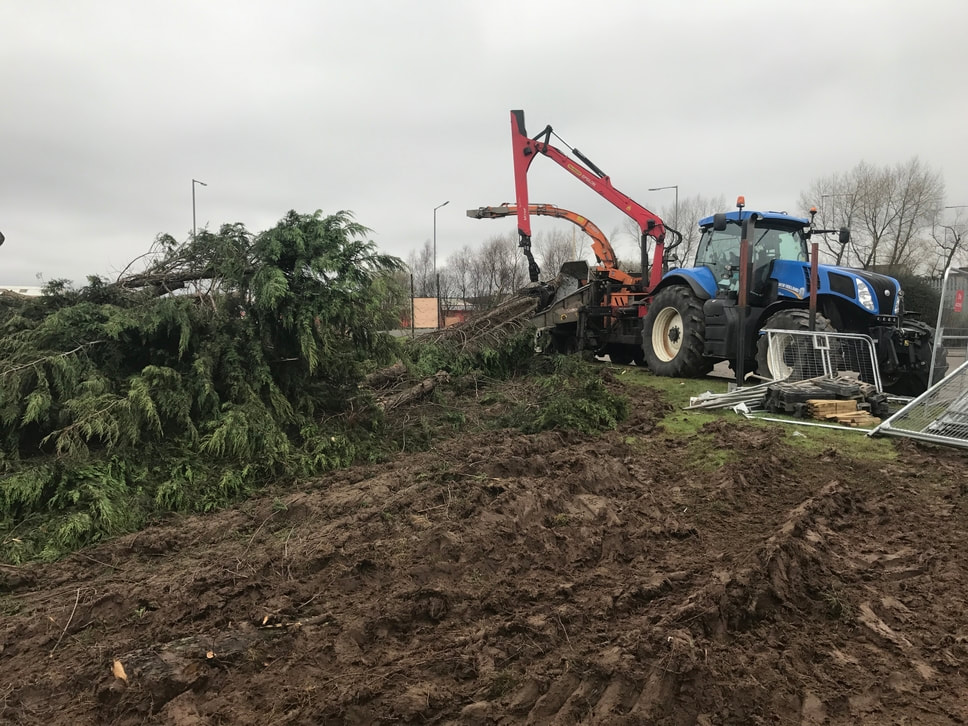
Major Project Capability: Specialist resources for substantial vegetation projects including development clearance, infrastructure work, and large-scale maintenance programs requiring specialist equipment, expertise, and project management capabilities.
Commercial Resource Flexibility: Access to additional resources enabling rapid response to urgent situations, efficient delivery of planned maintenance programs, and capability for simultaneous projects across multiple properties.
Quality Assurance and Professional Standards
Owner-Operated Quality Control: Callum’s hands-on approach at CNJ ensures quality control and project management meeting the high professional standards essential for successful factor services whilst maintaining accountability and performance excellence.
Combined Professional Experience: 30+ years Glasgow Trees experience combined with CNJ specialist capabilities providing comprehensive vegetation management solutions meeting diverse factor requirements and complex property portfolio challenges.
Professional Certification Excellence: NPTC qualified teams, £5 million public liability insurance coverage, and British Standards compliance ensuring professional service delivery meeting factor requirements and regulatory obligations.
Unified Project Management: Single point of contact for factors managing complex vegetation projects across multiple properties ensuring efficient communication, service coordination, and consistent professional standards.
Coordinated Multi-Property Service Delivery
Systematic Portfolio Management: Professional approach to vegetation management across multiple properties ensuring consistent service standards, appropriate resource allocation, and efficient coordination minimising disruption whilst maximising results.
Emergency Response Coordination: Integrated emergency response capability across property portfolios ensuring rapid professional action with appropriate resource prioritisation based on risk levels and resident safety requirements.
Professional Documentation Systems: Comprehensive record-keeping and reporting systems supporting factor requirements for insurance documentation, regulatory compliance, and property management decision-making across multiple properties.

Invasive Species and Vegetation Control for Property Factors
Specialist vegetation control services address complex invasive species problems affecting property portfolios whilst ensuring legal compliance and environmental responsibility.
Japanese Knotweed Legal Compliance and Management
Legal Obligations and Compliance Requirements: Factors have substantial legal obligations to control Japanese Knotweed preventing spread to neighbouring properties with potential prosecution under the Wildlife and Countryside Act 1981 and significant financial penalties for non-compliance.
Professional Treatment Programs: Specialist Japanese Knotweed treatment using approved herbicides and management techniques providing guaranteed control, legal compliance documentation, and insurance protection with comprehensive monitoring and reporting.
Insurance and Mortgage Implications: Japanese Knotweed affects property insurance availability and mortgage lending requiring professional management and documentation ensuring insurance compliance and supporting property transactions across factor portfolios.
Professional Documentation and Liability Protection: Comprehensive treatment records, photographic evidence, and professional certification supporting legal compliance whilst protecting factors against liability for knotweed-related property damage or spreading.
Rhododendron and Comprehensive Invasive Species Control
Invasive Rhododendron Management: Professional control of invasive Rhododendron protecting native vegetation and supporting Glasgow’s environmental objectives whilst maintaining property aesthetics and preventing ecological damage across property portfolios.
Giant Hogweed and Dangerous Plant Species: Specialist treatment of Giant Hogweed, Himalayan Balsam, and other dangerous invasive species requiring professional expertise, safety protocols, and legal compliance ensuring resident safety and environmental protection.
Environmental Enhancement Through Species Control: Invasive species control enabling restoration of native vegetation supporting biodiversity objectives, property enhancement, and environmental compliance whilst improving property aesthetics and value.
Integrated Management Programs: Comprehensive invasive species management combining treatment, monitoring, and restoration ensuring long-term control whilst supporting environmental enhancement and regulatory compliance across property portfolios.
Site Clearance and Development Support Services
Pre-Development Vegetation Clearance: Comprehensive vegetation clearance for property improvements and construction projects ensuring efficient project delivery, regulatory compliance, and appropriate environmental impact assessment and mitigation.
Contamination Assessment and Management: Professional assessment of invasive species contamination prior to development enabling appropriate management planning, cost control, and regulatory compliance preventing project delays and additional costs.
Post-Clearance Restoration Services: Professional restoration using appropriate native species supporting long-term property enhancement, environmental compliance, and aesthetic improvement whilst preventing re-infestation by invasive species.
Development Project Coordination: Professional vegetation management coordinating with construction projects, planning requirements, and environmental obligations ensuring efficient project delivery whilst maintaining regulatory compliance and environmental responsibility.
Emergency Response and Crisis Management for Factors
Professional emergency response capability protects factors against liability whilst ensuring resident safety and property protection across multiple properties.
Multi-Property Emergency Coordination: Rapid assessment and response across property portfolios ensuring appropriate resource allocation, resident safety coordination, and professional communication with authorities, insurance providers, and emergency services.
Storm Damage Response and Recovery: Comprehensive storm damage assessment and clearance ensuring resident safety and property protection whilst coordinating with insurance requirements, emergency services, and utility companies for efficient recovery.
Dangerous Tree Emergency Management: Immediate response to dangerous vegetation situations including emergency removals, safety cordoning, and resident communication ensuring appropriate risk management whilst protecting against liability exposure.

Insurance Coordination and Claims Support: Professional documentation and liaison with insurance providers supporting claims processes whilst managing emergency vegetation work efficiently and ensuring appropriate cost recovery and documentation.
Crisis Communication and Resident Safety: Professional management of emergency communications including resident notifications, safety advice, and progress updates ensuring residents remain informed and safe throughout emergency vegetation situations.
Authority Liaison and Regulatory Compliance: Expert coordination with local authorities, emergency services, and regulatory bodies ensuring appropriate compliance during emergency situations whilst maintaining professional standards and legal obligations.
Emergency Contact: 0141-483-7485 – Available 24/7 for urgent factor vegetation emergencies
Areas We Cover for Factor Tree and Vegetation Management
Glasgow Trees provides comprehensive vegetation management services for property factors throughout Glasgow and Central Scotland, with our CNJ partnership extending capabilities across an extensive service area covering all major commercial and residential property markets.
Primary Glasgow Factor Services
Glasgow City Centre Properties: Comprehensive vegetation management for city centre factor properties including historic tenements, modern apartments, commercial buildings, and mixed-use developments with specialist understanding of urban environment constraints and resident management requirements.
West End Residential Estates: Professional vegetation services for West End properties including period tenements, converted properties, student accommodation, and residential estates with expertise in conservation area requirements and heritage property management.
South Side Property Portfolios: Complete factor services throughout Glasgow’s South Side including traditional tenements, modern housing developments, and mixed residential properties with understanding of diverse resident communities and property types.
East End Development Areas: Specialist vegetation management for East End regeneration properties including new developments, converted industrial buildings, and traditional residential areas with expertise in development project coordination.
Extended Greater Glasgow Coverage
Paisley and Renfrewshire Factors: Comprehensive vegetation management throughout Paisley and Renfrewshire including residential estates, commercial properties, and mixed developments with local authority liaison and planning expertise.
East Kilbride Property Management: Professional factor services throughout East Kilbride’s extensive residential and commercial developments with understanding of new town planning requirements and large-scale property management.
Hamilton and South Lanarkshire: Complete vegetation management for factors throughout Hamilton and South Lanarkshire including established residential areas, business parks, and rural property developments.
Rutherglen and Cambuslang Services: Specialist factor vegetation management for Rutherglen and Cambuslang properties including riverside developments, traditional residential areas, and commercial property portfolios.
CNJ Partnership Extended Coverage
Central Scotland Factor Services: Extended professional vegetation management throughout Central Scotland including Stirling, Falkirk, and surrounding areas enabling comprehensive portfolio management for factors with regionally distributed properties.
Lanarkshire Commercial and Residential: Complete coverage throughout North and South Lanarkshire including major towns, rural developments, and commercial property portfolios with specialist equipment access and professional coordination.
Multi-Jurisdictional Expertise: Professional knowledge of local authority requirements, planning policies, and environmental regulations across multiple council areas ensuring efficient compliance management regardless of property location.
Specialist Property Type Coverage
Student Accommodation Portfolios: Specialist vegetation management for student housing including halls of residence, converted properties, and purpose-built developments with understanding of academic calendar constraints and high-density living requirements.
Commercial Property Factors: Professional vegetation services for commercial property portfolios including office buildings, retail developments, industrial estates, and mixed-use properties with commercial-grade capabilities and professional standards.
Housing Association and Social Housing: Comprehensive vegetation management for housing association properties including large estates, scattered properties, and community facilities with understanding of social housing requirements and resident consultation processes.
Retirement and Care Home Properties: Specialist vegetation services for retirement developments and care facilities with understanding of vulnerable resident requirements, health and safety considerations, and accessibility needs.
Local Authority Coordination and Compliance
Multi-Council Regulatory Expertise: Expert knowledge of planning requirements, Tree Preservation Order procedures, and environmental regulations across Glasgow City Council, Renfrewshire Council, South Lanarkshire Council, and surrounding authorities.
Planning and Development Liaison: Professional coordination with planning departments, environmental officers, and development control ensuring efficient compliance management and project delivery across multiple jurisdictions.
Environmental Compliance Coordination: Specialist knowledge of environmental regulations, conservation requirements, and biodiversity obligations ensuring appropriate compliance whilst supporting factor environmental responsibilities.
For Free Quotation and Expert Advice
Click to Call Now!
Frequently Asked Questions
What Legal Responsibilities Do Factors Have for Tree and Vegetation Management?
Property factors have substantial legal responsibilities for vegetation management under the Health and Safety at Work Act 1974 and Occupiers’ Liability Acts requiring systematic risk assessment and appropriate maintenance across managed properties. The Corporate Manslaughter and Corporate Homicide Act 2007 adds further obligations requiring demonstrable systems for vegetation safety management. Factors must ensure vegetation doesn’t pose risks to residents, visitors, or neighbouring properties whilst maintaining appropriate documentation proving duty of care compliance. The Anti-social Behaviour Act 2003 creates additional obligations regarding high hedges affecting neighbours requiring professional management and resolution. Insurance policies typically mandate professional vegetation management with comprehensive documentation. Our professional service ensures full legal compliance across property portfolios whilst providing detailed documentation supporting duty of care obligations, insurance requirements, and regulatory compliance protecting factors against legal action and financial penalties.
How Much Does Professional Vegetation Management Cost for Property Factors?
Professional vegetation management costs vary by portfolio size, property types, and service requirements enabling tailored solutions for different factor budgets. Annual maintenance contracts typically cost £200-400 per property including comprehensive inspections, routine maintenance, emergency response coverage, and professional documentation. Portfolio tree surveys cost £150-300 per property providing detailed risk assessment, management recommendations, and compliance documentation with bulk pricing for larger portfolios. Emergency response services cost £80-150 per hour with guaranteed response times across multiple properties. Specialist services including Japanese Knotweed treatment, invasive species control, and development support range £250-500 per property with portfolio discounts available. Bulk service agreements provide significant savings of 20-30% across larger portfolios whilst preventive maintenance approaches reduce emergency costs and insurance claims. We provide transparent quotations enabling accurate budget planning whilst comprehensive reporting supports insurance requirements and legal compliance obligations.
What Insurance Documentation Do You Provide for Property Factors?
We provide comprehensive documentation supporting property insurance requirements, claims processes, and regulatory compliance across factor portfolios. Standard documentation includes detailed vegetation surveys, risk assessments, maintenance records, and photographic evidence of conditions and completed work. BS5837 tree surveys provide authoritative assessment meeting insurance requirements whilst QTRA risk assessments offer objective evidence of appropriate risk management. Emergency response documentation includes detailed incident reports, photographic evidence, and professional recommendations supporting insurance claims and recovery processes. All work is backed by £5 million public liability insurance with certificates provided as required by insurance companies and property policies. Professional record-keeping enables historical tracking of vegetation management supporting long-term insurance compliance whilst our qualified arborists provide expert witness services if required for insurance disputes or legal proceedings. Comprehensive reporting includes risk mitigation recommendations supporting ongoing insurance compliance and premium optimisation.
How Do You Handle Vegetation-Related Tenant Complaints and Communications?
Professional tenant communication is essential for successful factor vegetation management ensuring positive resident relationships whilst maintaining appropriate management standards. We provide comprehensive tenant liaison services handling vegetation-related concerns, complaints, and enquiries with sensitivity, professionalism, and technical expertise. Our approach includes site visits, clear explanations of vegetation management requirements, and written communications supporting factor-tenant relationships. We coordinate with factors ensuring consistent messaging whilst managing resident expectations regarding work timing, methodology, and necessity. Emergency communications include door-to-door notifications, safety advice, and progress updates ensuring residents remain informed during urgent vegetation work. Sensitive issues including tree preservation objections receive careful handling balancing resident concerns with professional vegetation management requirements and legal obligations. All communications maintain professional standards whilst supporting positive factor-resident relationships essential for successful property management. We provide template letters and communication materials supporting factor requirements whilst ensuring accurate technical information and appropriate consultation processes.
What Emergency Response Do You Provide Across Multiple Properties?
Our 24/7 emergency response provides coordinated professional action across property portfolios ensuring rapid response, appropriate resource allocation, and comprehensive safety management. Emergency situations including storm damage, dangerous vegetation, and urgent safety concerns receive immediate professional response with guaranteed attendance times and multi-property coordination. We maintain detailed property portfolios enabling rapid response to correct locations whilst our CNJ partnership provides additional resources for major incidents affecting multiple properties simultaneously. Emergency response includes safety assessment, immediate hazard management, resident safety coordination, and professional documentation supporting insurance claims and regulatory compliance. Multi-property coordination ensures appropriate resource prioritisation based on risk levels, resident safety requirements, and property protection needs. Professional emergency teams maintain direct communication with factors providing regular updates, professional advice, and coordination throughout emergency situations. Comprehensive documentation includes photographic evidence, incident reports, professional recommendations, and insurance liaison supporting claims processes and ongoing property management requirements.
How Do You Manage Tree Preservation Orders and Planning Requirements?
Tree Preservation Order (TPO) management requires specialist expertise across multiple local authority jurisdictions with varying requirements and procedures. We provide comprehensive TPO compliance services including checking, application preparation, authority liaison, and work coordination ensuring legal compliance whilst minimising delays and costs. Our service includes systematic TPO checking across property portfolios, professional application preparation for vegetation work, and expert arboricultural advice supporting planning applications and authority consultations. Conservation area work requires additional considerations including authority notification, appropriate methodologies, and heritage sensitivity which we manage professionally ensuring compliance whilst maintaining property character. Planning application support includes vegetation impact assessments, mitigation proposals, and ongoing liaison with planning officers and environmental advisers. We maintain current knowledge of planning requirements across Glasgow, Paisley, East Kilbride, Hamilton, and surrounding authorities ensuring efficient compliance regardless of property location. Professional documentation includes detailed applications, supporting evidence, compliance records, and authority correspondence. Established relationships with local authorities facilitate efficient processing whilst our expertise ensures appropriate work specifications meeting planning requirements and vegetation management standards.
What Preventive Maintenance Programs Do You Offer for Property Portfolios?
Preventive maintenance programs provide cost-effective vegetation management across property portfolios whilst reducing emergency callouts, insurance risks, and resident disruption. Annual maintenance contracts include systematic inspections, routine pruning, pest and disease monitoring, and priority maintenance scheduling coordinated across portfolio properties. Programs are tailored to specific portfolio requirements considering property types, resident needs, budget constraints, and regulatory obligations. Maintenance timing is strategically coordinated across portfolios optimising efficiency whilst minimising resident disruption and maximising vegetation health. Seasonal programs include winter pruning, spring inspections, summer maintenance, and autumn preparation ensuring year-round vegetation health and property protection. Species-specific management ensures appropriate care for different vegetation types across diverse property landscapes preventing problems and maintaining aesthetics. Our preventive approach identifies developing problems early preventing costly emergency situations whilst maintaining property values and resident satisfaction. Comprehensive maintenance records support insurance requirements and legal compliance whilst enabling long-term budget planning and strategic property improvement. Bulk service agreements provide economies of scale reducing per-property costs whilst ensuring consistent professional service standards throughout portfolios.
Do You Provide Vegetation Management for Properties Outside Glasgow?
Yes, our CNJ partnership enables comprehensive vegetation management across Central Scotland including properties throughout Lanarkshire, Stirlingshire, Falkirk, and beyond ensuring professional factor services regardless of property location. We provide coordinated service delivery across extended geographic areas with consistent quality standards and professional coordination ensuring factors receive reliable service throughout their portfolios. Multi-jurisdictional expertise includes detailed knowledge of varying local authority requirements, planning policies, environmental regulations, and TPO procedures ensuring appropriate compliance regardless of property location. Travel costs are included within our standard service areas with transparent pricing for extended coverage properties enabling accurate budget planning. Large portfolio coverage enables efficient service delivery with coordinated scheduling reducing costs whilst maintaining service quality and professional standards. Rural and urban property experience ensures appropriate vegetation management regardless of property type, location, or environmental constraints. Local supplier networks and authority relationships support efficient service delivery throughout our coverage area whilst emergency response capability extends across our full service area ensuring rapid professional response regardless of property location. We maintain detailed geographic service capability enabling efficient resource allocation and service planning across extended property portfolios.
Choose Professional Tree and Vegetation Management for Your Property Portfolio
Professional tree and vegetation management protects your property portfolio whilst ensuring legal compliance, resident safety, and cost control across multiple properties. Property factors face substantial liabilities for vegetation-related accidents, regulatory non-compliance, and emergency situations requiring specialist expertise and comprehensive service delivery.
Our factor-focused approach combines Glasgow Trees’ local expertise with CNJ partnership capabilities providing comprehensive solutions for property portfolios of any size or complexity. Professional risk assessment, preventive maintenance programs, and emergency response capability ensure your properties remain safe, compliant, and well-maintained whilst controlling costs and protecting against liability exposure.
Partnership excellence delivers commercial-grade solutions with personal attention ensuring your specific requirements receive appropriate professional response. Environmental leadership through professional vegetation management supports Glasgow’s urban forest objectives whilst enhancing property values, resident satisfaction, and factor reputation.
The practice of managing vegetation in commercial environments requires professional expertise balancing safety, compliance, aesthetics, and cost considerations. Our integrated approach ensures vegetation management supports broader property management objectives whilst meeting the demanding standards required for successful factor operations.
📞 FREE Factor Consultation: 0141-483-7485🌿 Glasgow Trees with CNJ Partnership Capabilities📍 Serving Property Factors Throughout Glasgow & Central Scotland
Professional Factor Vegetation Management Benefits:
- FREE portfolio risk assessment and comprehensive survey quotations
- Legal compliance assurance across multiple properties and jurisdictions
- £5 million public liability insurance protection and comprehensive coverage
- 24/7 emergency response for urgent vegetation situations across portfolios
- NPTC certified expertise with 30+ years combined professional experience
- Bulk service agreements providing significant cost savings and economies of scale ✅ Comprehensive insurance documentation and claims support provided
- Professional tenant communication support and conflict resolution
- Multi-property coordination and efficient service delivery systems
- Preventive maintenance programs reducing emergency costs and resident disruption
Call Glasgow Trees today at 0141-483-7485 for your FREE factor consultation. Professional tree and vegetation management solutions for serious property portfolios.
What a Factor Estate Management Agreement Actually Includes
- Portfolio-wide tree risk surveys across every property on the schedule, graded so the factor can see which trees need attention first and which can wait
- Scheduled maintenance visits - pruning, crown reduction, hedge cutting - timed to work around bin collection days, resident parking and back-court access wherever possible
- Emergency call-out cover for storm damage or a tree that's become dangerous, with make-safe work carried out first and full removal scheduled once the site is safe
- Identification and treatment of Japanese Knotweed, Giant Hogweed, Himalayan Balsam and Rhododendron, backed by documentation the factor can hand to owners or insurers
- Tree Preservation Order and conservation area applications prepared and submitted on the factor's behalf where proposed work needs local authority consent
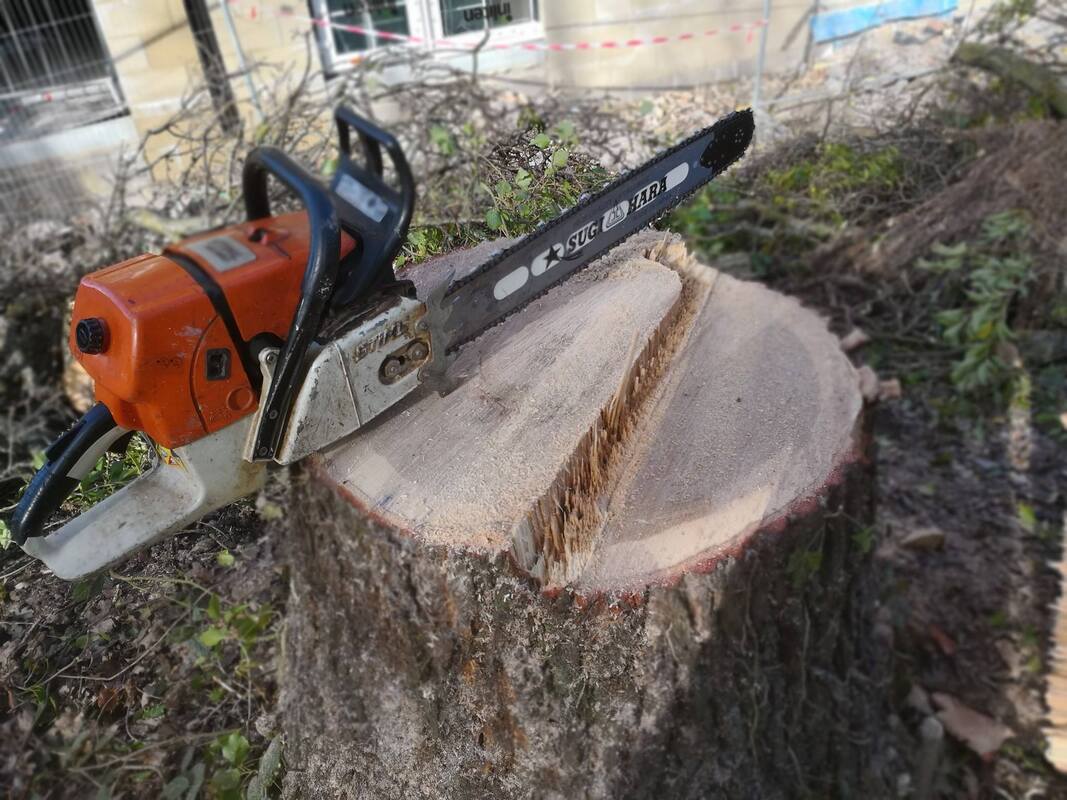
- Stump grinding and removal of arisings after felling, so common ground or a car park is left usable rather than just cleared
- Written survey reports and photographic records a factor can put in front of an owners' meeting or an insurer
Not Included / Costed Separately
- Work on trees outside the factor's authority - for example inside a private garden beyond the common area - which needs instruction from that owner directly
- Cutting directly on or against live overhead power lines: this specific live-line utility cutting certification is still being completed by the team, so genuinely live-line jobs are flagged rather than taken on
- The local authority's own fee for processing a TPO or conservation area application, which is separate from the preparation and submission work carried out on the factor's behalf
- Full arboricultural impact assessments for new-build planning applications - a different scope of survey from routine portfolio risk assessment, quoted separately if a factor needs one
- Ongoing knotweed monitoring beyond the agreed treatment programme - herbicide treatment typically needs more than one growing season, and continued monitoring after that is a separate arrangement
- Replanting or landscaping beyond restoring the ground after invasive species clearance
How a Factor Portfolio Gets Taken On, Start to Finish
- Initial call: We talk through the portfolio - how many properties, any known problem trees, and whether an AGM, insurance renewal or TPO deadline is driving the timing. This call and the quote that follows are free and without obligation.
- Site survey: A qualified arborist walks each property, or an agreed sample for a very large portfolio, recording species, condition and hazards, with all work specified to British Standard BS3998.
- Written report and quote: The factor receives a risk register with work grouped as urgent, near-term or routine, plus a written cost schedule per property, so it can go to a board or owners for sign-off before anything is booked in.
- Scheduling: Work is timed around resident access, bin stores, parking and any TPO or conservation area consent that needs to be in place first.
- The work itself: Pruning, felling, stump grinding, hedge cutting or invasive species treatment carried out to BS3998 standard, with arisings chipped or removed so the site isn't left in a state.
- Completion paperwork: Photographs, an updated risk register and an invoice the factor can file for insurance purposes or pass on to owners close out the job.
What Portfolio Tree Work Costs a Factor
Pricing is set per property rather than as a flat portfolio rate, because a single back-court tree needing a crown reduction costs a fraction of a multi-tree felling and stump grinding job on a larger estate. As a rough guide, a routine survey-and-prune visit on a typical tenement back-court tree tends to sit at the lower end of the scale, while felling a mature tree with restricted close access, stump grinding, and arisings removal costs more because of the extra time and, sometimes, hand-carrying material out rather than loading a chipper directly. Invasive species treatment is usually priced per site across a full programme rather than per visit, since knotweed and similar species need repeat applications. None of this replaces an actual figure: a full quote needs a site visit, because access, tree condition and any consent needed all change the price, and every quote given is free and without obligation so it can be compared against other contractors before anything is agreed.
One-Off Survey, Annual Contract or Emergency Call-Out: Which Fits
| Arrangement | Best for | What's included | How it's arranged |
|---|---|---|---|
| One-off tree survey | A single problem tree, or a pre-AGM check across the portfolio | Risk-graded report, photographs, recommended action | Fixed per-property quote after a site visit |
| Annual maintenance contract | Ongoing portfolio care across multiple properties | Scheduled pruning and inspection visits, priority access to emergency cover | Priced per property, agreed for the year ahead |
| Emergency call-out | Storm damage or a tree that's suddenly become dangerous | Rapid attendance, make-safe work, hazard removal | Charged per call-out, no ongoing contract needed |
| Invasive species programme | Knotweed, Rhododendron or Hogweed found on site | Identification, treatment plan, follow-up monitoring visits | Priced per site, usually spans more than one season |
NPTC-Qualified Assessment Behind Every Instruction
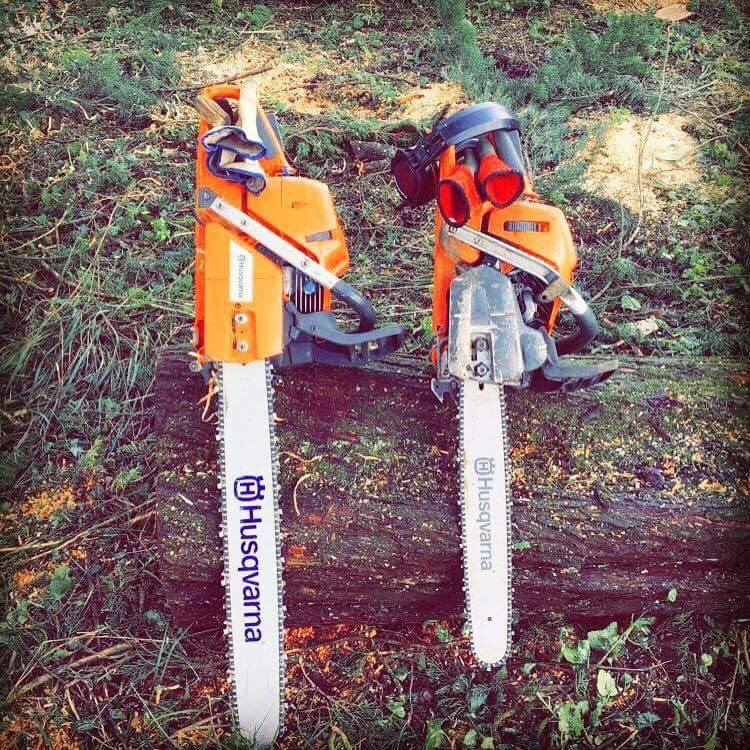
Every survey a factor receives from us is signed off by an NPTC Professional Tree Inspection qualified assessor - the specific qualification for grading risk properly rather than just describing a tree as "needs work." The wider team's certificates go further: NPTC/Lantra tickets in large tree felling, windblown trees, aerial rescue, and rigging and dismantling cover the awkward jobs a tenement back court throws up, where access is restricted, walls sit close to the drop zone, or a tree is already leaning after a storm. Machinery certification for a stump grinder, wood chipper, timber crane and 360 excavator means that plant turns up with an operator qualified to run it, rather than the job being subcontracted out to whoever's free. The team is fully insured, all work is carried out to British Standard BS3998, and trading since 2005 means the paperwork a factor gets today follows the same standard as the trees already surveyed and felled across the city over that time. Quotes are free and without obligation, which matters when a factor needs two or three comparable prices to put in front of an owners' meeting rather than a single verbal figure.
Working Across Glasgow's Tenement Back Courts and Factored Estates
This service runs across Glasgow first, then out through the wider factored property market in East Renfrewshire, Renfrewshire and West Dunbartonshire, following the same portfolios many factors already manage across those boundaries.
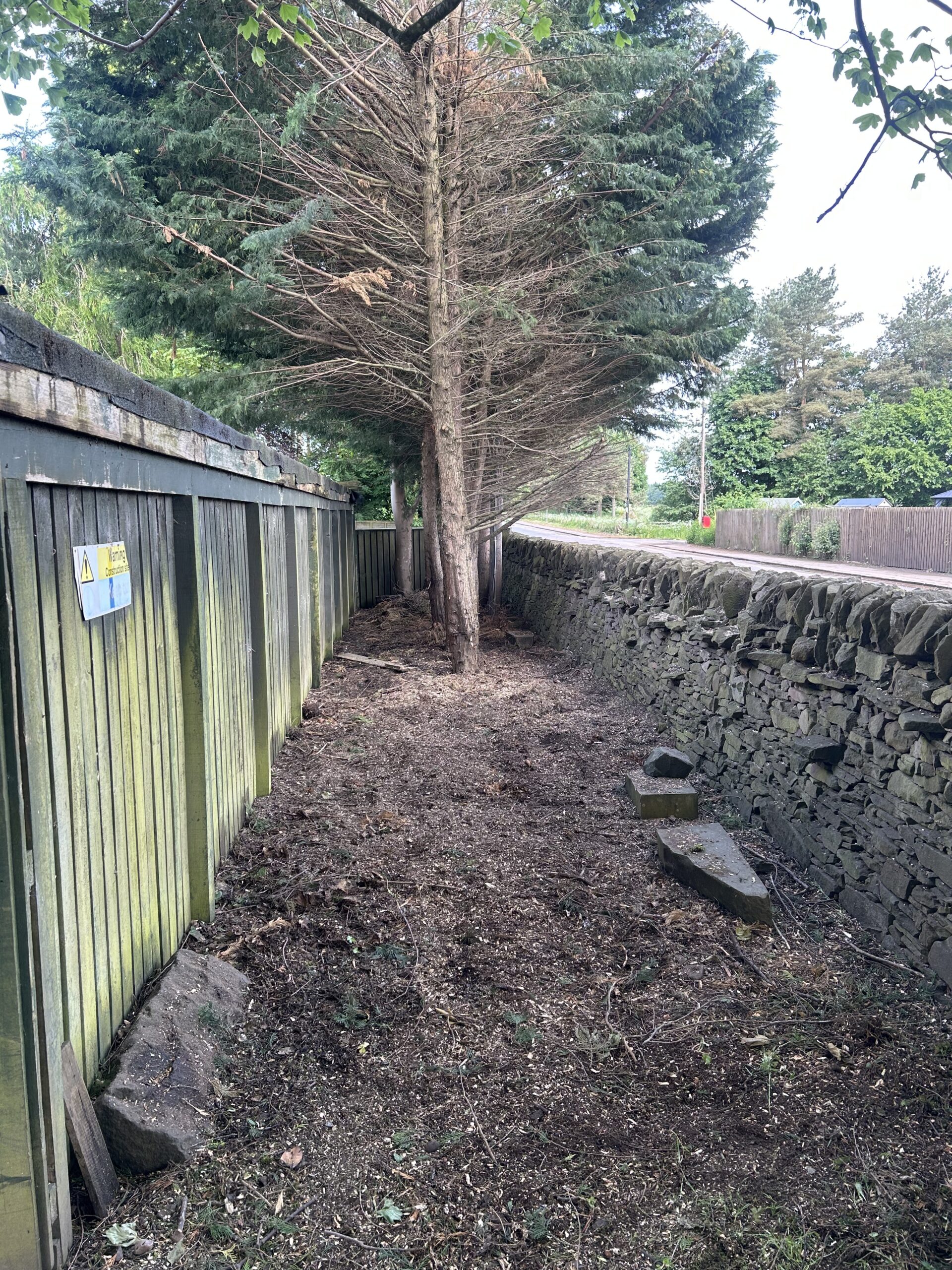
Most of the day-to-day work is in Glasgow's tenement stock: back courts in the West End around Hyndland, Dowanhill and Broomhill, and on the Southside in Pollokshields, Shawlands and Govanhill, where sandstone boundary walls and narrow closes mean a stump grinder or chipper often has to be walked through the close rather than driven round the back. Several of these West End and Southside streets sit inside conservation areas, which is part of why the Tree Preservation Order and conservation area consent work in the scope above comes up as often as it does - a self-seeded sycamore that would need no paperwork on an open site can need local authority sign-off once it's rooted in a Dowanhill or Pollokshields back court. Dennistoun and Partick have similar tenement layouts, with back courts sometimes doubling as resident parking, so scheduling around access matters as much as the tree work itself.
Further out, East Renfrewshire portfolios around Newton Mearns and Giffnock tend to be modern mixed estates with communal landscaped ground and boundary trees rather than tenement back courts, and newer factored developments in Renfrewshire and West Dunbartonshire more often need routine amenity pruning than the structural or emergency work a Victorian tenement back court tends to throw up.
Get Costs in Front of Your Board Before the Next Deadline
Storm damage and a tree that's suddenly gone from fine to leaning don't wait for a scheduled survey, and TPO or conservation area consent can take weeks to come through once an application's in - the earlier a factor has a written quote in hand, the more options there are before an AGM, insurance renewal or resident complaint forces the issue. Get in touch for a free, no-obligation site visit and a written per-property quote ready to table straight away.
“Very friendly and professional. They delivered my job on time and at a good price.”
Glasgow Trees — that is what we aim to hear from our customers all the time.
Get a Free Quote
🔒 Your details are safe with us. No spam, ever.