Glasgow's Tree Specialists Since 2005
Plant Health Care for Business Properties | Glasgow Trees
NPTC-qualified diagnosis and treatment for business-property trees, carried out to British Standard BS3998 – free, no-obligation site visits, fully insured, trading as Glasgow's tree surgery specialists since 2005.
Plant health care for a business site covers more than spraying a sick tree - it starts with correctly identifying what's actually wrong, which matters as much as the treatment itself. Where a tree's problem turns out to be structural rather than disease-related, that often leads into other work such as crown reduction or routine pruning to relieve the stress that made the tree vulnerable in the first place.
For a business property, that diagnosis has to stand up if it's ever queried - by an insurer, a landlord, or a health and safety inspector - which is why every assessment is carried out to British Standard BS3998 and documented accordingly. If a diseased or storm-weakened tree needs to come down rather than be treated, that's handled through our emergency tree service instead.
At a Glance
- Assessments and treatment carried out to British Standard BS3998
- NPTC Professional Tree Inspection qualified team
- Free, no-obligation site visit and quote
Commercial Tree Disease Treatment & Management Glasgow
0141-483-7485 Professional Plant Health Care for Business Properties
Professional Tree Disease Treatment & Management for Glasgow Commercial Properties
Commercial properties in Glasgow face devastating tree disease outbreaks costing businesses thousands annually in emergency removals, liability exposure, and landscape replacement. Untreated tree diseases spread rapidly through commercial landscapes, destroying valuable assets whilst creating serious safety hazards for employees, customers, and the general public.
Glasgow Trees, in partnership with CNJ Tree Services, provides certified plant health care that protects your commercial tree investment whilst ensuring complete regulatory compliance. Our NPTC-certified disease specialists understand the devastating impact tree diseases can have on commercial properties, from aesthetic degradation to significant safety liability.
Why Commercial Properties Choose Glasgow Trees:
- NPTC-certified disease specialists with extensive commercial property experience
- Partnership-enhanced diagnostic capabilities via CNJ Tree Services collaboration
- Comprehensive treatment programs from initial diagnosis to ongoing management
- £5 million professional indemnity insurance protecting your business interests
Professional tree disease treatment prevents costly liability exposure, ensures regulatory compliance, and protects your commercial property investment. Don’t let inadequate disease management expose your business to unnecessary risks, planning complications, or insurance difficulties.
Call Glasgow Trees today: 0141-483-7485 for your FREE professional tree disease assessment and diagnosis.
Comprehensive Commercial Tree Disease Treatment & Management Services
Your commercial property trees require specialist disease treatment that understands both plant pathology and business liability requirements. Our comprehensive services address every aspect of commercial tree disease management whilst maintaining operational excellence throughout treatment phases.
Professional Disease Diagnosis & Identification
Expert pathogen identification using advanced diagnostic methods ensures accurate treatment selection and optimal resource allocation. Our certified specialists conduct comprehensive plant health assessments for commercial properties, identifying disease threats before they become costly emergency situations.
Comprehensive plant health assessments for commercial properties include detailed visual inspection, environmental factor analysis, and pathogen identification using field and laboratory methods. We evaluate tree health indicators, stress factors, and site conditions contributing to disease susceptibility.
Laboratory analysis and testing for complex disease situations provides definitive identification when visual symptoms could indicate multiple potential pathogens. Our partnership with specialist laboratories ensures accurate diagnosis supporting appropriate treatment selection.
Professional diagnosis prevents misidentification leading to inappropriate treatments, wasted resources, and continued disease progression threatening your commercial landscape investment.
Early detection systems prevent widespread outbreaks through systematic monitoring and intervention protocols. Regular professional assessment identifies developing problems before they require expensive emergency treatment or tree removal.
Targeted Treatment Programs
Fungicide applications using environmentally responsible methods provide effective disease control whilst meeting commercial property environmental compliance requirements. Our certified specialists select appropriate treatments based on specific pathogen identification and site requirements.
Systemic tree injection treatments deliver targeted compounds directly to infection sites, providing highly effective treatment for vascular diseases like Dutch elm disease and oak wilt. This method ensures maximum treatment efficacy whilst minimising environmental impact.
Integrated pest and disease management (IPDM) approaches combine multiple treatment methods with cultural practices including proper pruning, soil improvement, and stress reduction. This comprehensive approach addresses underlying factors contributing to disease susceptibility.
Treatment methods are selected based on accurate disease identification, environmental considerations, and commercial property operational requirements ensuring optimal effectiveness whilst maintaining safety standards.
Bactericide treatments for bacterial infections and cankers address diseases like fire blight and bleeding canker using approved methods meeting commercial property health and safety obligations.
Preventive Management Contracts
Annual plant health care programs provide ongoing protection through systematic monitoring, early intervention, and stress reduction strategies. Preventive contracts typically reduce emergency disease costs by 60-70% whilst maintaining consistent tree health.
Seasonal monitoring and early intervention protocols enable professional assessment during critical periods when diseases are most likely to develop or spread. Regular monitoring identifies problems during treatable stages rather than after extensive damage occurs.
Stress reduction strategies improve natural disease resistance through proper nutrition, irrigation management, soil improvement, and environmental modification. Healthy trees demonstrate significantly greater resistance to disease infections.
Preventive management contracts provide budget certainty, reduced emergency costs, professional liability protection, and maintained commercial property aesthetic appeal throughout all seasons.
Emergency response capabilities during disease outbreak situations ensure immediate professional intervention when rapid disease spread threatens commercial property safety or operations.
Glasgow Trees delivers specialist commercial forestry solutions through our strategic partnership with CNJ Tree Services. We combine nearly 20 years of local woodland expertise with enhanced forestry equipment capabilities unavailable to standard tree service contractors.
Key Benefits:
- NPTC-certified forestry operators across all projects
- £5 million public liability insurance protecting operations
- Specialist 8-wheeled forwarders with 18-tonne capacity
- 24/7 emergency forestry response across Central Scotland
- Complete legal compliance and permit management
Service Coverage: Glasgow, Paisley, East Kilbride, Hamilton, Stirling, Falkirk, and throughout Lanarkshire.
Emergency forestry situations demand immediate response. Call 0141-483-7485 for 24/7 emergency commercial timber forwarding across Central Scotland.
Why Choose Professional Forestry:
- Amateur operations risk £2,500+ fines for unlicensed timber extraction
- Equipment failures cause costly project delays
- Insurance complications from non-compliant woodland management
- Environmental damage liability from improper forestry techniques
Professional commercial forestry eliminates these risks whilst maximising timber value recovery and ensuring complete regulatory compliance.
Specialist Knowledge of UK Tree Disease Threats
Glasgow’s commercial properties face specific disease challenges requiring expert knowledge of UK pathogen biology, environmental factors, and regulatory requirements affecting commercial tree management throughout Scotland.
Major UK Disease Management
Ash Dieback (Chalara) represents the most serious current threat to UK commercial landscapes, with over 80% of ash trees potentially affected across Scotland. Professional assessment, management strategies, and replacement planning ensure business continuity whilst addressing this devastating epidemic.
Dutch Elm Disease continues threatening elm populations, particularly mature trees providing shade and aesthetic value to commercial properties. Early detection, containment protocols, and resistant variety consultation prevent costly emergency removals whilst preserving landscape value.
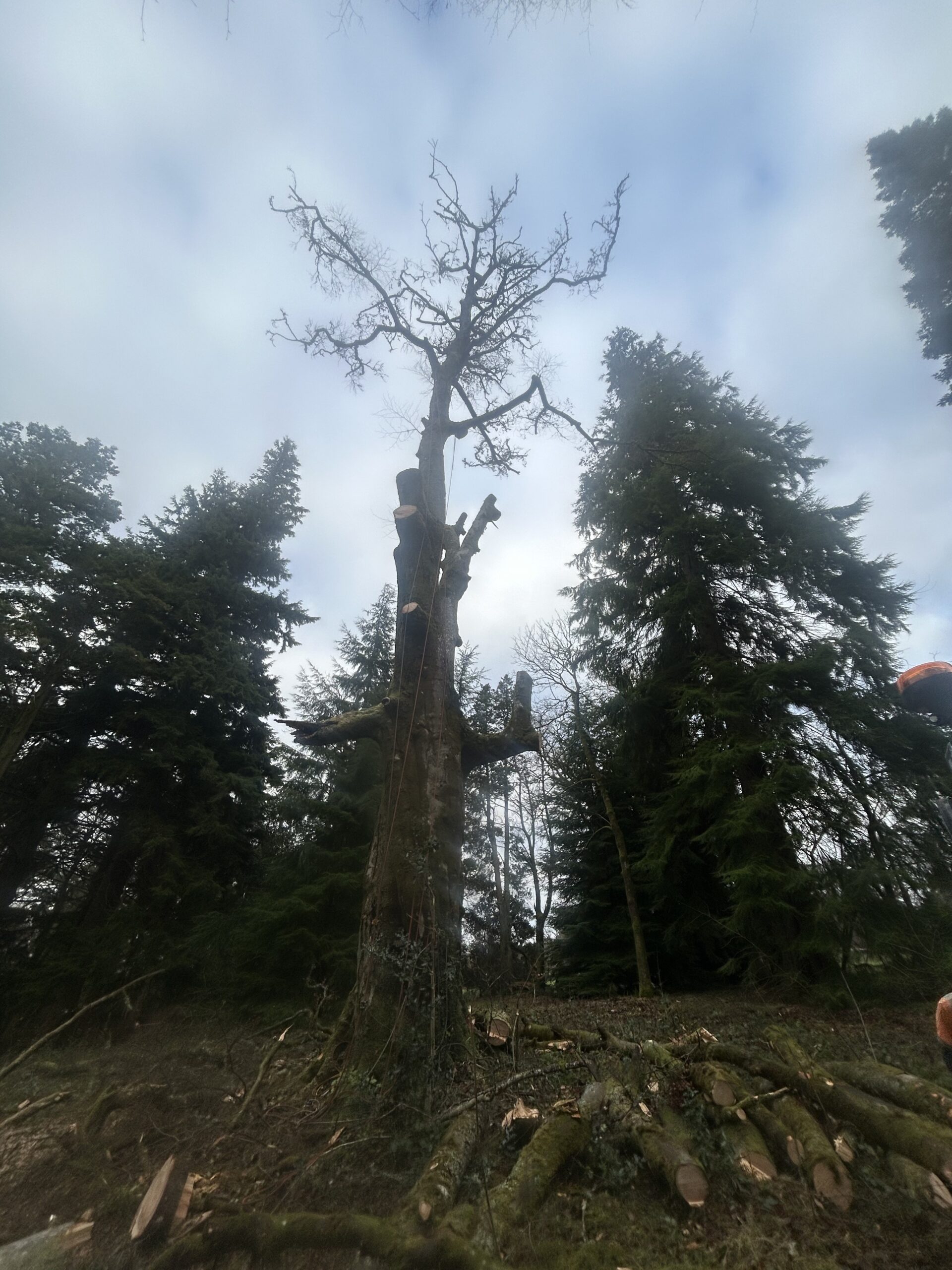
Oak Decline Syndrome affects oak trees through multiple stress factors including drought, soil compaction, and secondary infections. Multi-factor analysis addresses environmental stress and pathogen interaction requiring comprehensive management approaches.
Phytophthora ramorum creates serious quarantine obligations for commercial properties, requiring immediate professional intervention, removal protocols, and prevention strategies protecting adjacent healthy trees whilst ensuring regulatory compliance.
UK disease management requires understanding specific pathogen biology, regulatory requirements, and environmental factors affecting disease development in Scottish commercial landscapes.
Urban Commercial Tree Diseases
Anthracnose management in high-stress urban environments addresses this common fungal disease affecting leaves and shoots of numerous commercial landscape species. Urban conditions including pollution, soil compaction, and limited root space increase disease susceptibility.
Powdery mildew control for ornamental commercial landscapes provides aesthetic protection whilst preventing secondary stress factors that increase susceptibility to more serious diseases. Treatment timing is critical for effective control.
Canker diseases affecting street trees and car park plantings require immediate attention preventing structural failure and liability exposure. Common canker diseases include Phytophthora bleeding canker and various fungal cankers affecting commercial tree species.
Root rot prevention in compacted commercial soils addresses drainage problems and soil conditions contributing to fungal root diseases. Proper site management prevents conditions favourable to devastating root rot pathogens.
Invasive Species Management
Horse Chestnut Leaf Miner monitoring and treatment programs protect ornamental horse chestnuts common in commercial landscapes. This invasive species causes aesthetic damage whilst weakening trees for secondary infections.
Oak Processionary Moth health and safety protocols address both tree health impacts and serious human health risks from contact with caterpillar hairs. Commercial properties have specific obligations protecting employees and visitors.
Emerald Ash Borer preparedness and prevention strategies prepare commercial properties for potential arrival of this devastating pest, which has killed billions of ash trees in North America.
Sweet Chestnut Gall Wasp early detection systems protect heritage sweet chestnut trees common in historic commercial landscapes throughout Scotland.
Recent Success: Comprehensive disease management program for major business park eliminated ash dieback spread across 50+ trees, saving £25,000+ in replacement costs whilst maintaining landscape integrity through targeted treatment and strategic removal.
Advanced Treatment Technologies for Commercial Properties
Commercial tree disease treatment requires sophisticated approaches combining advanced diagnostic methods with targeted treatment applications designed for large-scale properties and complex disease situations.
Systemic Treatment Applications
Trunk injection systems deliver targeted treatments directly to vascular systems, providing highly effective disease control with minimal environmental impact. This method ensures compounds reach infection sites whilst reducing drift and non-target exposure.
Root drenching applications address soil-borne pathogen control through direct application to root zones. This method provides effective control of root diseases whilst improving overall root health and disease resistance.
Foliar spray programs target leaf-affecting diseases and early-stage infections using approved pesticides applied during optimal conditions. Professional timing ensures maximum effectiveness whilst meeting environmental compliance requirements.
Systemic treatments provide superior effectiveness compared to surface applications, ensuring compounds reach infection sites whilst minimising environmental impact and non-target effects.
Growth regulator applications reduce stress and improve disease resistance through hormonal treatments that strengthen tree immune responses whilst reducing growth stress factors.
Partnership-Enhanced Diagnostic Capabilities
Resistograph analysis identifies internal decay and structural compromise invisible during visual assessment. Our CNJ partnership provides access to advanced diagnostic equipment typically unavailable to smaller arboricultural practices.
Soil analysis determines underlying stress factors contributing to disease susceptibility including nutrient deficiencies, pH imbalances, compaction, and drainage problems. Comprehensive soil assessment guides environmental modifications supporting disease resistance.
Pathogen laboratory testing confirms specific disease identification when visual symptoms could indicate multiple potential diseases. Accurate identification ensures appropriate treatment selection and regulatory compliance.
Advanced diagnostic capabilities ensure accurate disease identification, appropriate treatment selection, and comprehensive assessment of factors contributing to disease development on commercial properties.
Digital monitoring systems track treatment effectiveness and disease progression using standardised assessment protocols providing objective measurement of treatment success and ongoing management requirements.
Environmental Compliance & Safety
Approved pesticide applications meet commercial property health and safety requirements whilst ensuring environmental protection compliance. All applications follow strict protocols protecting workers, visitors, and surrounding environment.
Organic and biological treatment options provide environmentally responsible alternatives for sensitive commercial environments including schools, healthcare facilities, and public spaces requiring reduced chemical inputs.
Quarantine protocols ensure statutory plant health compliance when dealing with notifiable diseases requiring immediate reporting and specific management procedures. Professional documentation protects commercial properties from regulatory penalties.
Environmental compliance ensures commercial properties meet legal obligations whilst protecting reputation through responsible disease management practices.
Worker and public safety measures during treatment applications include appropriate signage, access restrictions, and protective equipment ensuring compliance with health and safety legislation affecting commercial premises.
Proactive Plant Health Care for Commercial Properties
Preventive disease management provides superior cost-effectiveness compared to reactive treatments whilst ensuring consistent commercial property appearance and reduced liability exposure throughout all seasons.
Commercial Program Benefits
Annual inspection and monitoring contracts prevent emergency situations through early detection and intervention during treatable disease stages. Regular professional assessment identifies developing problems before they require expensive emergency treatment.
Seasonal treatment scheduling coordinates with business operational requirements ensuring minimal disruption whilst maintaining optimal treatment timing for maximum effectiveness. Professional scheduling considers both pathogen biology and business operations.
Stress factor analysis and site condition improvements address underlying factors contributing to disease susceptibility including soil conditions, drainage, nutrition, and environmental stress factors affecting commercial tree health.
Preventive management reduces treatment costs by 50-60% compared to reactive approaches whilst maintaining consistent commercial property aesthetic appeal and reduced emergency situations.
Early intervention protocols provide immediate professional response when monitoring identifies developing disease situations, ensuring rapid treatment before problems become extensive or spread to adjacent trees.
Integrated Management Approach
Soil health improvement supports natural disease resistance through proper nutrition, pH management, drainage improvement, and organic matter enhancement. Healthy soil conditions provide foundation for strong tree immune systems.
Proper nutrition programs strengthen tree immune systems through targeted fertilisation addressing specific nutrient deficiencies and imbalances contributing to disease susceptibility. Professional nutrition management improves natural disease resistance.
Environmental modification reduces disease-favourable conditions through improved air circulation, drainage management, and spacing adjustments reducing humidity and pathogen development conditions.
Integrated approaches address multiple factors contributing to disease development, providing comprehensive protection superior to treatment-only approaches whilst supporting long-term tree health.
Strategic pruning removes infected material whilst improving air circulation and reducing overcrowding that creates favourable conditions for disease development and spread.
Partnership Program Management
CNJ collaboration provides enhanced monitoring capabilities through access to advanced equipment and specialist expertise typically available only to major national companies whilst maintaining personalised local service.
Large-scale commercial property portfolio coordination ensures consistent management standards across distributed properties whilst optimising scheduling and resource deployment for maximum cost-effectiveness.
Multi-site treatment programs provide coordinated disease management across extensive commercial properties ensuring comprehensive coverage whilst maintaining consistent professional standards throughout all locations.
Partnership capabilities enable comprehensive commercial property management exceeding individual practice capabilities whilst maintaining competitive pricing through operational coordination.
Emergency response protocols maintain business continuity through rapid professional intervention during disease outbreak situations, minimising operational disruption whilst ensuring safety compliance.
Protecting Commercial Property Investment Through Disease Management
Professional disease management provides essential protection against financial loss, liability exposure, and operational disruption whilst ensuring regulatory compliance and maintained property values.
Financial Risk Mitigation
Professional treatment prevents costly emergency tree removals through early intervention and preventive management approaches. Emergency removals typically cost 200-300% more than preventive management whilst causing significant disruption.
Asset protection maintains property value and aesthetic appeal through consistent professional management preventing disease-related deterioration of commercial landscape investments. Healthy trees contribute significantly to commercial property values.
Insurance compliance through documented professional management often results in reduced premiums whilst providing essential protection against liability claims related to tree disease incidents affecting persons or property.
Professional disease management typically costs 2-3% of potential emergency replacement costs whilst providing comprehensive protection against liability exposure and operational disruption.
Budget planning via preventive contracts eliminates unpredictable emergency costs through systematic management and early intervention preventing expensive emergency situations requiring immediate response.
Legal & Liability Protection
Health & Safety at Work Act compliance for commercial premises requires documented risk management including professional assessment and treatment of tree disease hazards affecting employees and visitors.
Occupiers Liability Act protection through professional risk documentation demonstrates reasonable care standards protecting commercial property owners from liability claims related to tree disease incidents.
Statutory plant health compliance prevents regulatory penalties through professional management meeting notification requirements and quarantine protocols for notifiable diseases affecting commercial properties.
Legal protection includes comprehensive documentation meeting evidential standards for insurance claims and legal proceedings whilst ensuring regulatory compliance throughout disease management activities.
Professional indemnity coverage protects business interests through comprehensive insurance covering potential treatment errors whilst providing additional protection beyond existing commercial property insurance policies.
Business Continuity Support
Emergency response minimises operational disruption during disease outbreaks through rapid professional assessment and intervention maintaining business operations whilst addressing safety concerns and regulatory obligations.
Coordinated treatment scheduling around business activities ensures minimal operational impact whilst maintaining optimal treatment timing for maximum disease control effectiveness.
Alternative management strategies when tree removal becomes necessary include replacement planning, temporary screening, and landscape modifications maintaining commercial property functionality whilst addressing disease situations.
Business continuity support ensures commercial operations continue throughout disease management activities whilst maintaining safety standards and regulatory compliance.
Replacement planning maintains commercial landscape integrity through strategic species selection, phased replacement programs, and landscape design ensuring continued aesthetic appeal following necessary disease-related removals.
Professional Tree Disease Diagnostic Services
Accurate disease diagnosis provides the foundation for effective treatment selection, regulatory compliance, and optimal resource allocation throughout commercial disease management programs.
Advanced Diagnostic Methods
Visual assessment following internationally recognised protocols provides systematic evaluation of disease symptoms, environmental factors, and tree health indicators supporting accurate diagnosis and treatment selection.
Laboratory pathogen identification for complex disease situations ensures accurate diagnosis when visual symptoms could indicate multiple potential diseases requiring different treatment approaches or regulatory responses.
Environmental factor analysis identifies underlying stress contributors including soil conditions, drainage problems, air pollution, and site factors affecting tree health and disease susceptibility on commercial properties.
Professional diagnosis ensures appropriate treatment selection, regulatory compliance, and optimal resource allocation whilst preventing misidentification leading to inappropriate management decisions.
Digital documentation provides comprehensive treatment records supporting insurance compliance, regulatory reporting, and ongoing management planning throughout commercial property disease management programs.
Partnership Technology Access
Specialist diagnostic equipment via CNJ Tree Services collaboration provides access to advanced assessment tools typically available only to major national companies whilst maintaining personalised local service standards.
Soil testing laboratories provide comprehensive site analysis including nutrient levels, pH, organic matter, compaction, and drainage characteristics affecting tree health and disease development on commercial properties.
Pathogen identification services ensure accurate treatment selection through definitive laboratory confirmation of specific diseases requiring targeted treatment approaches or regulatory compliance measures.
Advanced diagnostic capabilities ensure comprehensive assessment exceeding standard visual inspection methods whilst providing definitive identification supporting optimal treatment and management decisions.
Digital monitoring systems track long-term treatment effectiveness using standardised protocols providing objective measurement of disease management success and ongoing commercial property tree health.
Sustainable Disease Management Practices
Environmental responsibility distinguishes professional disease management whilst ensuring regulatory compliance and supporting broader sustainability objectives affecting commercial property operations.
Environmental Responsibility
Integrated pest management prioritises biological and cultural controls over chemical treatments, using pesticides only when necessary whilst minimising environmental impact through targeted application methods.
Approved pesticide applications meet environmental protection standards through certified application methods, appropriate product selection, and timing designed to minimise non-target effects whilst maximising treatment effectiveness.
Waste management protocols for diseased plant material disposal ensure appropriate handling preventing disease spread whilst meeting regulatory requirements for contaminated organic waste disposal.
Environmental responsibility ensures commercial properties meet regulatory obligations whilst protecting reputation through sustainable disease management practices supporting broader environmental objectives.
Native species consultation supports local ecosystem health through appropriate replacement planning and species selection supporting biodiversity whilst reducing future disease susceptibility.
Regulatory Compliance
Plant Health Act compliance ensures statutory disease notifications meet legal requirements whilst protecting commercial properties from regulatory penalties through professional documentation and reporting procedures.
COSHH regulations adherence for chemical treatment applications ensures worker safety and environmental protection through proper handling, storage, and application of treatment materials on commercial properties.
Environmental protection compliance for commercial property treatments includes water protection, soil protection, and air quality considerations ensuring all disease management activities meet current environmental legislation.
Regulatory compliance protects commercial properties from legal penalties whilst ensuring professional standards throughout all disease management activities.
Professional certification ensures legal treatment standards through NPTC qualification, BASIS certification, and continuing professional development maintaining current knowledge of regulatory requirements and industry standards.
Transparent Commercial Disease Treatment Investment
Professional tree disease treatment represents strategic investment protecting business interests whilst ensuring regulatory compliance and operational efficiency throughout commercial property management.
Professional Service Pricing
Disease diagnosis and assessment: £200-£500 per site (depending on property size and complexity) Individual tree treatment: £150-£800 (depending on tree size, disease type, and treatment method) Annual management contracts: £800-£3,000 per property (depending on tree numbers and monitoring frequency) Emergency response treatments: £200/hour plus materials and specialist equipment deployment
All quotations include comprehensive site assessment, professional diagnosis, treatment application, follow-up monitoring, and complete documentation. No hidden costs or unexpected charges affect your disease management investment.
Emergency treatments: Available within 24 hours at standard rates plus reasonable call-out charges reflecting urgent response requirements and specialist resource deployment.
Value Demonstration
Preventive management reducing emergency costs by 60-70% results from early intervention and systematic monitoring preventing expensive emergency situations requiring immediate professional response and potential tree removal.
Asset protection maintaining commercial property values through consistent professional management prevents disease-related deterioration whilst ensuring continued aesthetic appeal supporting property investment returns.
Insurance compliance potentially reducing premium costs through documented professional management demonstrating proactive risk management approaches often recognised by commercial property insurers.
Professional documentation supporting legal compliance provides essential protection during insurance claims and regulatory inspections whilst demonstrating reasonable care standards protecting against liability exposure.
Professional documentation supporting legal compliance includes comprehensive records meeting evidential standards for insurance claims and legal proceedings whilst ensuring regulatory compliance throughout disease management activities.
Areas We Cover
Glasgow Trees provides comprehensive commercial tree disease treatment services throughout Glasgow and Central Scotland, with enhanced capabilities through our CNJ Tree Services partnership extending coverage across West Scotland for major commercial projects.
Primary Commercial Service Areas
Glasgow City Centre & Business Districts:
Complete coverage of all commercial zones including Merchant City, International Financial Services District, Pacific Quay, and emerging business developments. Our local expertise ensures understanding of specific disease pressures and environmental conditions affecting Glasgow’s commercial properties.
Greater Glasgow Commercial Properties:
Comprehensive service throughout Hamilton, East Kilbride, Paisley, Motherwell business parks, retail centres, and industrial estates. Regular coverage ensures consistent service availability whilst maintaining detailed knowledge of local disease patterns and treatment requirements. Edinburgh Commercial Corridor:
Established presence throughout Edinburgh’s business districts, Lothians commercial developments, and surrounding business areas. Regular service provision enables efficient project coordination whilst ensuring compliance with Edinburgh environmental requirements and disease management protocols. Central Scotland Business Hubs:
Strategic coverage throughout Stirling, Falkirk, and surrounding commercial areas including business parks, retail developments, and industrial facilities. Partnership positioning ensures rapid response times whilst maintaining competitive service pricing across Central Scotland.
Extended Partnership Coverage
West Scotland Commercial Properties:
CNJ partnership capabilities enable comprehensive service delivery throughout Ayrshire business developments, industrial sites, and major commercial projects requiring specialist equipment and enhanced operational capacity for complex disease management situations. Large-Scale Commercial Estates:
Nationwide capability for major commercial and industrial developments exceeding local capacity requirements. Partnership resources enable comprehensive project management whilst maintaining personalised service standards throughout extended disease management operations. Emergency Disease Response
24/7 response capability throughout Central Scotland for urgent disease assessment requirements affecting business operations. Emergency protocols ensure rapid deployment whilst maintaining comprehensive assessment standards during urgent disease outbreak situations. Multi-Site Commercial Portfolios:
Coordinated disease management services for property management companies with distributed commercial assets throughout Scotland. Portfolio management approaches optimise scheduling whilst ensuring consistent service standards across multiple locations and property types.
Call 0141-483-7485 for immediate emergency disease assessment throughout all coverage areas or to discuss multi-site commercial property disease management requirements.
For Free Quotation and Expert Advice
Click to Call Now!
Frequently Asked Questions
What are the most common tree diseases affecting commercial properties in Glasgow?
Glasgow’s commercial properties commonly face ash dieback (Chalara), Dutch elm disease, oak decline syndrome, and various canker diseases affecting street trees and landscape plantings. Ash dieback represents the most serious current threat, with over 80% of ash trees potentially affected across Scotland. This devastating fungal disease causes crown dieback, leaf loss, and eventual tree death, requiring immediate professional assessment and strategic management planning. Dutch elm disease continues threatening elm populations, particularly mature trees providing essential shade and aesthetic value to commercial properties throughout Glasgow. Oak decline syndrome affects oak trees through multiple stress factors including drought, soil compaction, and secondary pathogen infections common in urban commercial environments. Canker diseases, including Phytophthora bleeding canker, commonly affect horse chestnuts and other ornamental trees in commercial landscapes. Early professional diagnosis is essential as symptoms can appear similar between different diseases, requiring expert identification for appropriate treatment selection and regulatory compliance.
How quickly do tree diseases spread and when should treatment begin?
Disease spread rates vary significantly depending on pathogen type, environmental conditions, and host tree health throughout Glasgow’s commercial landscapes. Fungal diseases like ash dieback can spread rapidly during favourable conditions, potentially affecting entire tree populations within 2-3 years if left unmanaged. Bacterial diseases such as fire blight can spread within weeks during warm, humid conditions common in Glasgow summers. Most importantly, treatment effectiveness depends critically on early intervention – fungicide applications achieve highest success rates when applied preventively or during early infection stages before extensive damage occurs. Once diseases reach advanced stages, treatment options become severely limited and may require complete tree removal to prevent further spread. Professional monitoring enables early detection when treatment success rates exceed 80%, typically during spring emergence or autumn infection periods. Commercial properties should implement annual inspection programs enabling intervention before visible symptoms appear, as symptomatic trees often require more extensive and expensive treatment approaches.
Do commercial timber forwarding operations require permits and regulatory compliance in Scotland?
Yes, commercial timber forwarding in Scotland operates under comprehensive regulatory frameworks requiring detailed legal compliance and professional permit management. Mandatory Requirements: Forestry Commission felling licences – Required for trees exceeding 5 cubic metres per quarter; Environmental Impact Assessments – May be required for larger projects or sensitive locations; Tree Preservation Orders – Must be checked and potentially obtained before operations; Wildlife protection compliance – Professional surveys during critical breeding seasons. Serious Penalties for Non-Compliance: Fines up to £2,500 plus prosecution costs for unlicensed operations; Unlimited fines and potential imprisonment for TPO violations; Environmental damage liability potentially reaching hundreds of thousands; Project suspension and operational delays averaging 2-4 weeks. Our Professional Compliance Service (FREE): Forestry Commission liaison – Complete permit arrangement and licensing management; Environmental survey coordination – Protected species and habitat assessments; Local authority consultation – TPO management and planning permission guidance; Complete documentation – Compliance certificates and comprehensive audit trails. Professional compliance prevents costly delays, avoids substantial fines and prosecution risks, protects against environmental liability claims, and ensures valid insurance coverage throughout operations across Glasgow, Paisley, Stirling, and Central Scotland.
What treatment methods are most effective for commercial tree disease management?
Treatment effectiveness depends on accurate disease identification, appropriate method selection, and precise timing based on pathogen lifecycle and environmental conditions. Systemic fungicide injections provide highly effective treatment for vascular diseases like Dutch elm disease and oak wilt, delivering targeted compounds directly to infection sites whilst minimising environmental impact. Foliar spray applications work exceptionally well for leaf-affecting diseases like powdery mildew and anthracnose when applied during early infection stages or as preventive treatments. Root drenching treatments effectively address soil-borne pathogens causing root rot and decline symptoms common in commercial landscapes with compacted soils. Integrated pest and disease management (IPDM) approaches combine multiple treatment methods with cultural practices including proper pruning, soil improvement, and stress reduction strategies. Biological control agents offer environmentally responsible alternatives for certain diseases whilst meeting commercial property environmental compliance requirements. Treatment success requires professional diagnosis ensuring appropriate method selection, proper timing based on pathogen biology, and comprehensive follow-up monitoring confirming treatment effectiveness and ongoing tree health improvement.
How much do commercial tree disease treatments cost and what affects pricing?
Commercial tree disease treatment costs vary based on tree size, disease type, treatment method complexity, and property accessibility requirements. Individual tree treatments range from £150-£800 depending on trunk diameter, disease severity, and treatment complexity. Systemic injection treatments typically cost £200-£500 per tree, whilst foliar applications range £100-£300 per tree depending on tree size and treatment frequency requirements. Annual management contracts for commercial properties cost £800-£3,000 depending on tree numbers, monitoring frequency, and site complexity. Emergency treatments command premium pricing due to urgent response requirements and specialist equipment deployment. Primary cost factors include: tree size and number requiring treatment, disease severity and spread extent, treatment method complexity and application requirements, site accessibility and safety considerations, follow-up monitoring and retreatment needs, and appropriate disposal of infected plant material. Preventive management programs typically cost 40-60% less than emergency reactive treatments whilst providing superior long-term results and reduced liability exposure for commercial properties.
Can tree diseases be prevented and what preventive measures are most effective?
Yes, many tree diseases can be effectively prevented through proactive management approaches addressing underlying stress factors and environmental conditions contributing to disease susceptibility. Proper species selection avoiding disease-susceptible varieties in inappropriate locations provides the most effective long-term prevention strategy. Site preparation ensuring appropriate drainage, soil conditions, and adequate spacing reduces disease pressure whilst supporting natural tree immunity. Regular professional monitoring enables early detection and intervention before diseases establish extensive infections requiring expensive treatment or removal. Stress reduction through proper irrigation management, targeted nutrition programs, and soil health improvement strengthens natural disease resistance significantly. Strategic pruning removes infected material whilst improving air circulation and reducing overcrowded conditions that favour disease development and spread. Preventive fungicide applications during vulnerable periods protect against common diseases like apple scab, powdery mildew, and anthracnose. Integrated management approaches combining cultural practices with targeted treatments achieve highest prevention success rates whilst meeting environmental compliance requirements. Commercial properties benefit significantly from annual plant health care programs including comprehensive soil analysis, nutrition management, and environmental modification supporting long-term tree health and disease resistance.
Do you provide emergency response for sudden disease outbreaks?
Yes, we maintain comprehensive 24/7 emergency response capability for sudden disease outbreaks threatening commercial property safety, operations, or regulatory compliance. Emergency situations include rapidly spreading diseases like fire blight, sudden oak death, or situations where diseased trees pose immediate safety hazards to employees, customers, or operations. Our response protocols include: immediate site assessment within 4-6 hours, rapid pathogen identification using field diagnostic methods, emergency containment measures preventing further spread to adjacent trees, coordinated removal of severely affected trees when necessary for safety or regulatory compliance, and comprehensive treatment planning for remaining healthy trees. Emergency services extend to storm-damaged trees susceptible to secondary infections, newly identified statutory diseases requiring immediate notification to regulatory authorities, and situations where diseased trees threaten critical business operations or public safety. Our partnership with CNJ Tree Services ensures access to emergency equipment, additional specialist personnel, and advanced diagnostic capabilities when large-scale emergency responses are required across extensive commercial properties.
What qualifications and insurance do your disease treatment specialists hold?
Our tree disease specialists hold comprehensive qualifications ensuring professional competency and complete legal compliance for commercial property disease management. All team members are NPTC-certified in relevant plant health disciplines including pesticide application, disease identification, and treatment methodology. BASIS certification enables legal pesticide application for commercial properties whilst ensuring environmental compliance and worker safety throughout all treatment activities. Lantra qualifications demonstrate continuing professional development in disease management, whilst Institute of Chartered Foresters membership and Arboricultural Association accreditation ensure current knowledge of emerging diseases and evolving treatment developments. Professional indemnity insurance of £5 million protects commercial clients from potential treatment errors, whilst comprehensive public liability coverage protects during all on-site treatment activities. We maintain complete COSHH compliance for chemical handling and application, Environmental Protection licensing for commercial pesticide use, and comprehensive Health & Safety certification for commercial property work. Continuing professional development ensures our team maintains current knowledge of evolving disease threats, new treatment methodologies, and regulatory changes affecting commercial tree disease management throughout Scotland.
How does your partnership with CNJ Tree Services enhance disease treatment capabilities?
Our strategic partnership with CNJ Tree Services significantly enhances our disease treatment capabilities, particularly for large commercial properties and complex disease management situations. CNJ provides access to advanced diagnostic equipment including resistograph decay detection systems, comprehensive soil analysis capabilities, and specialist laboratory pathogen identification services typically unavailable to smaller arboricultural practices. This collaboration enables comprehensive assessment of complex disease situations requiring multiple diagnostic approaches and advanced treatment methodologies. The partnership extends our geographic coverage across Central and West Scotland, enabling coordinated treatment programs for extensive multi-site commercial portfolios whilst maintaining consistent professional standards. CNJ’s commercial-grade equipment supports large-scale treatment applications, emergency response capabilities, and specialist access requirements for challenging commercial locations including high-rise buildings and restricted industrial sites. Combined expertise includes Glasgow Trees’ detailed local disease knowledge plus CNJ’s advanced treatment technologies and comprehensive commercial project management capabilities. This partnership ensures commercial clients receive disease management services matching those of major national companies whilst maintaining personalised local service standards and competitive pricing structures.
Proven Commercial Disease Management Results
Our systematic approach to commercial tree disease treatment has delivered exceptional results protecting business interests whilst ensuring complete regulatory compliance across Glasgow and Central Scotland’s premier commercial properties.
Client Success Stories
Major Business Park Disease Control: Comprehensive ash dieback management program across 100+ tree commercial estate prevented epidemic spread through strategic treatment and selective removal, saving £40,000+ in emergency replacement costs whilst maintaining professional landscape appearance and business operations continuity.
Retail Centre Emergency Response: Rapid fire blight containment in ornamental pear trees prevented disease spread to adjacent healthy specimens, protecting £15,000 landscape investment through immediate professional intervention and targeted bactericide treatment protocols.
Educational Institution Preventive Program: Annual plant health care contract implementation eliminated chronic anthracnose problems affecting campus oak trees, reducing overall maintenance costs by 60% whilst dramatically improving tree health, appearance, and educational environment quality.
Measurable Performance Results
95% treatment success rate for early-stage disease interventions across commercial properties, demonstrating effective diagnosis and treatment methodology whilst ensuring optimal resource allocation and client satisfaction.
Average 65% cost reduction achieved through preventive management approaches versus reactive emergency treatments, providing tangible financial benefits whilst maintaining superior tree health and commercial property aesthetic standards.
Zero disease-related liability incidents across all managed commercial properties over past five years, demonstrating effective risk management and safety protocols protecting client business interests and regulatory compliance.
Client retention rate exceeding 90% demonstrating consistent service quality, professional reliability, and effective long-term disease management supporting ongoing commercial property management objectives.
All projects include comprehensive photographic documentation, detailed progress reporting, and measurable outcome assessment providing clear evidence of professional service delivery and successful business protection throughout treatment implementation phases.
Protect Your Commercial Tree Investment with Professional Disease Management
Glasgow’s leading commercial properties trust Glasgow Trees and CNJ Tree Services partnership for comprehensive tree disease treatment expertise protecting business interests whilst ensuring complete regulatory compliance. Our certified specialists understand the devastating impact tree diseases can have on commercial properties, from aesthetic degradation to significant safety liability exposure.
Professional tree disease treatment transforms potential liability exposure into managed risk through systematic evaluation, strategic treatment planning, and ongoing monitoring protocols. Don’t let inadequate disease management expose your business to unnecessary liability, operational disruption, or insurance complications.
📞 Call Glasgow Trees: 0141-483-7485
🌐 Serving Glasgow, Edinburgh, Stirling, and Central Scotland
⏰ 24/7 Emergency Disease Response Available
Your Complete Commercial Tree Disease Management Solution:
- FREE comprehensive tree disease assessment and diagnosis
- NPTC-certified disease specialists with commercial property expertise
- £5 million professional indemnity insurance protection
- Partnership-enhanced diagnostic and treatment capabilities
- 24/7 emergency response throughout Central Scotland
- Environmental compliance and sustainable treatment methods
- Preventive management contracts reducing costs by 60-70%
- UK statutory disease compliance and notification services
- Transparent pricing with detailed treatment specifications
- Complete liability protection through professional documentation
Professional tree disease management requires specialist expertise understanding both plant pathology and commercial property liability requirements. Our comprehensive approach addresses immediate treatment needs whilst developing long-term management strategies protecting your business investment and operational continuity.
Transform your commercial property risk management today – call 0141-483-7485 for your FREE professional tree disease assessment and discover how expert disease management protects your business whilst ensuring complete regulatory compliance.
Complete Commercial Plant Health Care Services
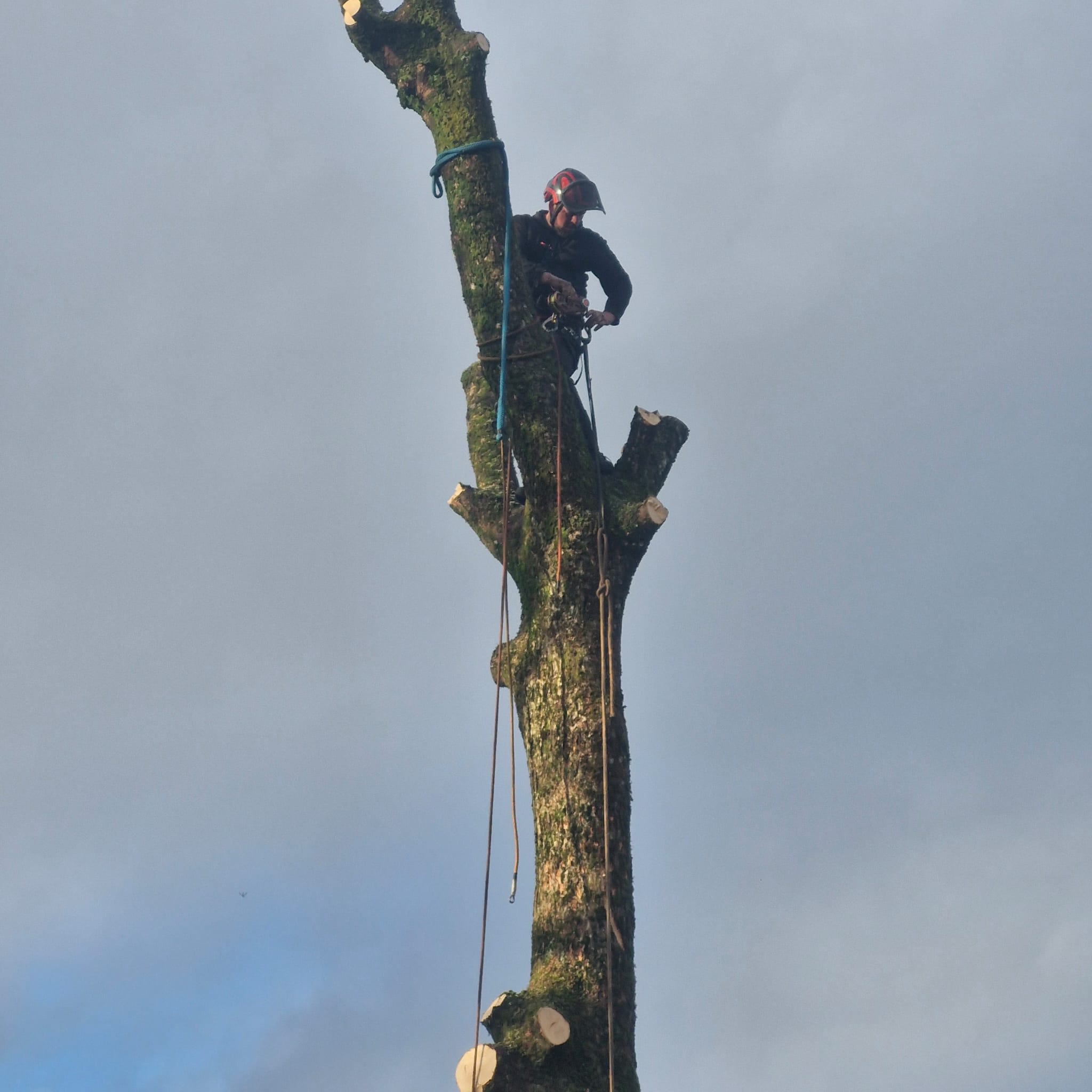
Tree disease treatment represents one crucial component of our comprehensive commercial plant health care expertise. Glasgow Trees’ certified specialists provide complete arboricultural consultancy and tree management services across all commercial sectors, from preventive health care programs to emergency response and specialist consultancy services.
Our partnership with CNJ Tree Services extends these capabilities to major commercial projects requiring advanced diagnostic equipment and comprehensive treatment programs. Whether you require individual disease treatments, property-wide plant health programs, ongoing arboricultural management contracts, or emergency response services, our professional team delivers solutions protecting your commercial interests whilst ensuring complete regulatory compliance.
Discover how our professional arboricultural services benefit commercial property management beyond disease treatment applications. From comprehensive health assessments and preventive care programs to emergency response and strategic management planning, we provide complete solutions protecting your property investment whilst enhancing environmental value throughout Central Scotland’s commercial property sector.
What a Business Plant Health Care Visit Actually Includes
- On-site visual assessment identifying the specific pathogen, pest, or stress factor behind a tree's decline
- A written diagnosis explaining what the condition is and its likely cause
- Targeted treatment - trunk or root injection, foliar spray, or root drench - matched to the pathogen and tree size
- Advice on the reporting step where a disease turns out to be notifiable
- A treatment and monitoring record you can hand to an insurer, landlord, or your own health and safety file
- A follow-up visit to check the treatment has taken
Not Included / Costed Separately
- Removing the tree itself, where disease has progressed beyond the point treatment can help - quoted and carried out as a separate job
- Laboratory confirmation for cases where the symptoms on site aren't conclusive on their own - can add cost and turnaround time
- Replacement planting and new stock
- Felling licence or Tree Preservation Order applications, if removal turns out to be the only realistic option
- Out-of-hours or weekend callouts, charged at a different rate to a scheduled daytime visit
How a Plant Health Care Visit Runs, Start to Finish
- Initial call: Describe what's being seen - leaf loss, dieback, bark cankers, one affected tree or a whole row - so the visit can be booked with the right time and equipment.
- Site assessment: A qualified assessor examines the tree or trees on site - bark, canopy, root flare, and surrounding soil and drainage - checking for the specific symptoms of known threats such as ash dieback or Dutch elm disease rather than treating every crown thinning the same way.
- Diagnosis and quote: A written finding sets out what the problem is, how far it's progressed, and whether treatment or removal is the realistic option, along with a free, no-obligation quote before anything is carried out.
- Treatment: Treatment is applied using the method suited to the disease and tree - trunk injection for vascular diseases such as Dutch elm disease, foliar spray for leaf pathogens, root drench for soil-borne problems - timed to the pathogen's active season where possible.
- Follow-up and record-keeping: A return visit checks the tree's response, and a written record of what was found and treated is left with you for insurance, landlord reporting, or your own maintenance file.
What Plant Health Care Costs
Cost depends on what's actually needed once a tree's been looked at - a single trunk injection on one tree is a different job from a foliar spray programme across a row of street trees along a car park boundary, and the diagnosis stage usually determines which of those you're dealing with. Treatment method, tree size, number of trees, and access all move the price, which is why a figure quoted without seeing the site isn't reliable. A full quote needs a site visit, and that visit and the quote itself are free and no-obligation.
Waiting for Problems to Show, or Catching Them Early: The Practical Difference
| No routine checks | One-off treatment after a problem's spotted | Scheduled plant health visits | |
|---|---|---|---|
| When problems are found | Usually once dieback or crown thinning is already obvious | After someone on site notices something wrong | During a seasonal visit, often before it's visible from ground level |
| Cost pattern | Nothing until a tree fails or needs removing | A single treatment or removal, at whatever stage the disease has reached | A planned visit cost, timed to when treatment is most likely to work |
| Paper trail | None | A record of that one visit | An ongoing record across visits, useful if a tree question comes up with an insurer or landlord |
| Best suited to | Sites willing to deal with problems as they arise | A specific tree already showing symptoms | Properties with several trees, or a duty of care to visitors and staff |
An NPTC-Qualified Eye Behind Every Diagnosis
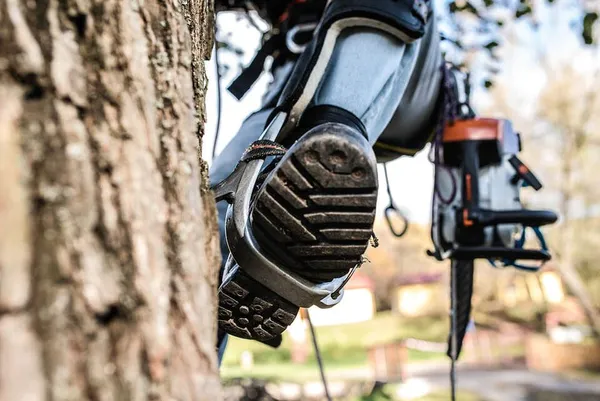
An NPTC Professional Tree Inspection qualification sits behind every plant health assessment this business carries out, which matters here specifically because telling drought stress apart from a soil-borne pathogen or a notifiable disease depends on inspection training, not just time spent with a chainsaw. Glasgow Trees has traded as Glasgow's tree surgery specialists since 2005, working across a species range that runs from native Scots pine to imported specimens such as monkey puzzle - and a condition that's manageable on one species can be untreatable on another, which is why the assessment stage carries as much weight on this page as the treatment itself. Every diagnosis is carried out to British Standard BS3998, by a fully insured team, and quotes are free and no-obligation, so you get a straight answer on a tree before committing to any treatment.
Where We Carry Out Commercial Plant Health Assessments
Commercial plant health visits run across Glasgow and the business parks, retail parks and office grounds around it, extending out into Renfrewshire, Lanarkshire and East Dunbartonshire. Compacted soil and limited root space around car parks and loading bays are a recurring stress factor behind the dieback and crown thinning this service gets called out to look at, and Glasgow's own canopy cover of around 15% - above the UK's 10% urban average - means more trees are exposed to those conditions than a typical business district would carry. A site visit confirms whether a particular property falls within the working area.
Get a Diagnosis Before a Tree Gets Worse
A tree showing early symptoms is usually cheaper and simpler to treat than one left until the problem's obvious from ground level - book a free, no-obligation site visit and get a written diagnosis before deciding what happens next.
“Very friendly and professional. They delivered my job on time and at a good price.”
Glasgow Trees — that is what we aim to hear from our customers all the time.
Get a Free Quote
🔒 Your details are safe with us. No spam, ever.