Tree Surgeon in Dalserf and the Clyde Valley
- Trading as Glasgow Trees since 2005
- All work to British Standard BS3998, fully insured
- Free, no-obligation quotes
A good number of the villages between Dalserf and Lanark carry a Tree Preservation Order or sit inside a conservation area, so a tree by a listed building, on a riverbank, or backing onto an old estate wall often needs a permission check before a saw comes anywhere near it. That's one of the first things worth knowing about tree work in this part of the Clyde Valley, alongside the more obvious point: mature policy woodland, garden conifers, streamside alders and working orchard ground all turn up close together here, and each needs handling on its own terms rather than one approach applied everywhere.
Glasgow Trees carries out tree felling, crown work, hedge cutting, [[LINK:https://www.glasgowtrees.co.uk/tree-stumps|stump grinding]] and site clearance across Dalserf and out through Larkhall, Lesmahagow and Lanark, to British Standard BS3998, fully insured, trading under that name since 2005. Not sure whether a tree actually needs to come down, or could be reduced instead? [[LINK:https://www.glasgowtrees.co.uk/tree-removal-when-and-why-its-necessary|When tree removal is actually necessary]] sets out the signs worth checking before booking anything.
Tree Surgeon, Dalserf, Clyde Valley, South Lanarkshire24 Hour Emergency Tree Services
  Welcome to Glasgow tree Surgeons, Dalserf, South Lanarkshire, tree removal and arborist Services.
Our way of thinking is to associate you with respect for trees and the surroundings like we do. Our Company works with trees every day and have become experts, in all the aspects of tree surgery and arborist work. We refuse to cut corners in either the job in hand or health and safety issues. If a task needs completing it must be executed correctly, no excuses! We pride ourselves in our ongoing business and dedicated customer service relationships we have built up over the years, completely at ease and confident in our ability to complete any tree surgery contract, either in the domestic or commercial sectors. We have all the modern up to date machinery together with highly trained, capable tree surgeon and arborist staff that really do enjoy their work. Example: You can also rest at ease All our work is covered by £5 million public liability insurance 24 Hour Emergency Tree Services Some of the Professional Tree Services we off our clients in the residential and commercial sectors.
Tree Felling
Tree felling is our most common method of taking a tree down. It is a great way if the area has space and allows us to complete this task. Our professional personnel will endeavour to talk time to discuss the different options available on our site inspection. Whether the tree to be felled is on residential or commercial land, there are specific guidelines to follow and adhere to. All care and consideration are given to the surrounding areas including building, utilities and power lines. We will devise a full proof plan to suit your purpose or project. Take action now and call us on Telephone: 0141-483-748 Tree Trimming and Pruning Fine pruning Standard Pruning Other Trimming services that are on offer. Any service that you are not sure about you can contact us on Stump grinding and stump removal Why remove tree stumps Hedge Management and Topiary Tree Planting Ground Clearance Tree Inspections and Surveys Tree Cabling and Bracing Some of the contracts in the private and commercial tree surgery sectors in Dalserf that we have completed, and who have used our professional tree service company in the past include:
|
      |


A full Consultancy and management service is available to all our commercial clients. This could be used by our customers for various high profile contracts that need arboricultural guidance with their chosen projects. We can provide the relevant documents including method statements and risk assessments.
Our Guarantees To You:
All services are completed by trained certificated Tree surgeons and Arborists
All work will be completed to the Health and Safety regulations according to the correct procedures and will be adhered to at all times.
We promise to quote you the best price possible for our professional services.
Any other work not listed on the original quotation will be discussed beforehand and not completed prior to your knowledge.
Our Company will professionally guide you from start to finish, and complete your chosen service in a respectful way to you and your neighbours.
We understand that every job is unique and needs to be tailored to our customers to find the correct solution, and the very best solution will be applied every time.
We will try and save you money best we can, our prices are very competitive within the Tree surgery and arborist industry.
Here at Glasgow trees, we offer a unique approach to customer service, we really do take care of everyone as we love repeat work, we promise you, no nasty surprises!
Telephone: 0141-483-7485 Click number to call
Have a fantastic day from Glasgow Trees, Dalserf Division
Keeping it Local
Other areas that we operate our Tree surgery and Arborist Business in the Clyde Valley
Boghead - Braidwood - Carluke - Crossford - Dalserf - Hawksland - Kirkmuirhill - Law - Lanark - Lesmahagow - Larkhall - Nemphlar - Rosebank - Clyde Valley
Tree surgery for Dalserf's listed buildings, estate walls and riverside ground
- Tree felling and sectional dismantling, including confined gardens and riverside plots
- Crown reduction, crown lifting, crown thinning and pollarding
- Hedge cutting, shaping and topiary maintenance
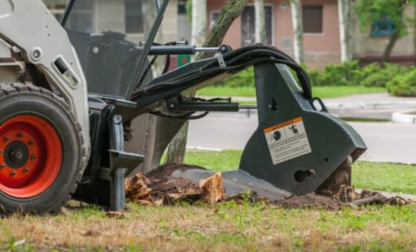
- Stump grinding and removal after felling
- Tree planting and species advice for the Clyde Valley
- Site and ground clearance, including vegetation and scrub management
- Tree inspections, surveys and written reports for mortgage, insurance or planning purposes
- Tree cabling and bracing for split or unbalanced limbs
- Emergency callouts for storm-damaged or dangerous trees
Not Included / Costed Separately
- Waste and timber removal from site is quoted separately from the felling or pruning price if you want it taken away
- Work on a tree covered by a Tree Preservation Order or in a conservation area needs council consent first - we can advise, but the application itself is the owner's responsibility
- Stump grinding isn't included automatically with felling unless it's asked for and priced in at the same visit
- Planting aftercare, such as watering and stake checks after the first visit, isn't part of the standard job
- Cutting near live overhead utility lines is scheduled separately, as this specific certification is still being completed within the team
From first call to a tidy plot: how a Dalserf job runs
- Tell us about the tree -- Call or message with the tree's location, what's prompting the work, and anything about access, a long driveway, a riverbank, orchard rows, or a narrow lane, so the visit can be planned properly rather than guessed at.
- Site assessment and consent check -- An NPTC-qualified team member inspects the tree in person, checks whether it sits within a Tree Preservation Order or conservation area, and works out how machinery such as the FMO tractor, timber crane or stump grinder would actually get to it on soft valley ground.
- Fixed quote and booking -- A written, no-obligation quote sets out exactly what's included, felling, pruning, stump grinding, waste removal, so there's nothing left to guess at, and a date is booked once you're happy to go ahead.
- The work and clean-up -- The crew secures the site, works through the tree using rope and harness or rigging where a straight fell isn't possible, and processes brash and timber with a chipper or crane as needed. Arisings are dealt with as agreed and the site is left tidy; anything extra spotted on the day is discussed with you first, not added to the invoice afterwards.
What it costs to have a tree worked on near Dalserf
Price depends on the tree's size, species and condition, how the crew has to access it (a tight Clyde Valley garden or riverbank takes more time than an open field), and whether stump grinding or timber removal is wanted alongside the main job. We quote a fixed price after the site visit rather than charging by the hour, and that figure covers everything discussed - any extra work found once we're up the tree is agreed with you first, not billed afterwards. A firm quote needs an in-person look at the tree, so treat anything given over the phone as a rough guide only. A mature specimen in policy woodland or a leaning riverside alder typically takes longer to plan and cut safely than a similarly sized tree standing in an open field, and that planning time is built into the figure quoted rather than charged for separately once the crew arrives on site.
Is it a job you can do yourself, or does it need a tree surgeon?
| Situation | DIY manageable? | Why professional input matters |
|---|---|---|
| A fruit tree branch rubbing a fence or shed | Often fine with hand tools | Low risk, but cutting into the branch collar on an orchard tree can let in rot that spreads over years |
| A leaning tree on a riverbank | Not recommended | Wet, silty ground can mean the root plate has already shifted; the lean needs checking on site before any cutting starts, not after |
| A tree within a conservation area or on a TPO list | No, consent needed first | Cutting without checking can lead to enforcement action; we confirm status at the site visit before work is booked |
| A storm-split or hung-up limb | No | A hung-up branch under tension can move unpredictably when cut; this needs rope and harness or rigging work |
| Routine hedge trimming | Yes, for most garden hedges | Height, boundary position and shape are the main things to get right; escalates once it's out of reach from the ground |
Set up for the Clyde Valley's orchard and riverside ground
Two kinds of job turn up more than most along this stretch of the valley: a tree that can't simply be felled because it's rooted a few feet from a listed building or an old estate wall, and a tree that can't simply be felled because it's leaning on soft riverbank silt, where a straightforward cut alone won't tell you which way it's actually going to fall. Both start the same way, an NPTC-qualified inspection of the tree and its ground before anything is booked in, carried out to British Standard BS3998 and backed by full insurance regardless of which version of Dalserf's ground the job turns out to be.
From there, the machinery register does the rest of the work. The FMO tractor and forwarder trailer cross softer orchard and riverside fields without cutting them to ruts, the timber crane lifts sections clear of a tree too close to a wall or a building to drop whole, and the stump grinder finishes the job cleanly rather than leaving torn ground behind. Where a tree turns out to sit within a conservation area or under a Tree Preservation Order, as plenty do in the villages around here, that gets flagged at the same visit rather than found out about afterwards, and the quote that follows costs nothing either way.
One of the team also holds the NPTC Professional Tree Inspection qualification, which counts for more than usual on the older specimen trees found behind Dalserf's estate walling and policy woodland, where deciding between reduction and removal on a tree with hidden decay needs a proper look rather than a guess from the ground. Trading as Glasgow Trees since 2005, the same standards, British Standard BS3998, full insurance, a written quote before booking, apply whether the visit turns into a straightforward hedge cut or a multi-day dismantling job.
Conservation area and TPO checks across Dalserf and the Clyde Valley
Larkhall, Lesmahagow, Carluke and Lanark make up the main towns we cover through this part of the Clyde Valley, alongside Dalserf itself and the smaller villages and farms strung along the river between them. Riverside and orchard ground here tends to be softer and often waterlogged underfoot, which changes how a stump grinder or chipper gets brought in safely, sometimes needing boards laid down rather than driving straight up to the tree. A good number of the older villages along this stretch also sit within conservation areas, so trees on or near listed buildings, or close to the river itself, often need a Tree Preservation Order check before any cutting starts; that's built into the site visit rather than left for you to find out about afterwards. Dalserf and the surrounding Clyde Valley fall within the South Lanarkshire ground reached from our wider Glasgow-based service area, which runs out along the M74 corridor alongside our coverage of Renfrewshire, East Renfrewshire and both Dunbartonshires.


Common questions about tree work in Dalserf and the Clyde Valley
My Dalserf property has a tree that might be under a Tree Preservation Order - how do I find out before booking work?
Rather than leaving that for you to check, it's built into the site visit itself: the surgeon looks up whether the tree sits within a Tree Preservation Order or a conservation area boundary, both common in the older Clyde Valley villages, and gives you the answer before anything gets booked in. Where council consent turns out to be needed, that has to come through first, cutting or removing a protected tree without it can lead to enforcement action against the owner, not just a warning letter. Nothing gets cut on the day unless that status has already been confirmed.
If I book a felling job, is the stump ground out as part of the same price?
Only if it's asked for at the same time. Felling and stump grinding are two separate operations, priced and scheduled apart, mainly because the grinder needs its own access route and machine time on site. Say at quote stage that you want the stump gone as well and it's added to the same visit and the same fixed price; leave it out and the stump stays put until a separate job is booked.
Can you get machinery to a tree on a riverbank or in a tight garden?
Usually, yes, though it changes the approach. Riverside and orchard ground in the Clyde Valley tends to be softer underfoot, so a stump grinder or chipper may need boards or a different access route rather than driving straight up to the tree. On tight sites the tree is more likely to be dismantled in sections using rope and harness rather than felled whole. Access gets talked through at the site visit so there are no surprises on the day.
What happens to the branches and timber once a tree's removed?
Smaller branches and brash are usually chipped on site. Larger timber can be left with you as logs if wanted, or removed and disposed of - that's agreed as part of your quote rather than assumed either way, since removal is a separate cost to the felling itself.
A tree's come down in a storm near my house - what do you need to know when I call?
Say straight away whether it's blocking a road or path, resting against a building, or anywhere near power lines, since that changes how quickly a crew gets out and what turns up with them. Emergency callouts are taken for storm-damaged, split and fallen trees across Dalserf and the wider valley, and a hung-up limb still under tension, or a tree that's only part-uprooted, gets treated as its own job, worked out on site rather than assumed from a description over the phone.
How is the price worked out, and can I get a figure over the phone?
A rough steer can be given over the phone, but a firm price needs a site visit, since size, species, access and what you want done with the arisings all affect the cost. The quote given after that visit is fixed and covers everything agreed, nothing extra gets added once work starts without discussing it with you first.
Are you insured and qualified to work on large or difficult trees?
Yes. The team holds NPTC and Lantra certificates covering chainsaw work, large tree felling, windblown trees, aerial rescue, and rigging and dismantling, alongside full public liability insurance, and all work follows British Standard BS3998. That combination matters most on trees that can't simply be felled in one piece, such as a mature specimen close to a house, fence line or riverbank.
Do you cut hedges as well as work on trees?
Yes, hedge cutting and shaping is a regular part of the work alongside tree surgery, from routine maintenance cuts to bringing an overgrown hedge back under control. It's worth booking before a hedge gets away from you in the growing season, since a badly overgrown hedge takes longer, and costs more, to bring back down to size.
Get a free quote for tree work in Dalserf
Storm damage and overgrown trees don't tend to improve by being left, and a leaning or split limb over a path, fence or driveway only gets riskier with time. Get in touch for a free, no-obligation quote and a site visit can be arranged at a time that works for you. Glasgow Trees is registered at Clyde Offices in Glasgow city centre and has worked to British Standard BS3998 since 2005, so the same fully insured team and the same fixed-quote process apply whether the job's a single hedge cut or a multi-day dismantling.
Glasgow Trees
Call 0141-483-7485