
Domestic Pollarding Glasgow
Professional Tree Pollarding Services for Glasgow Homeowners
Expert Domestic Pollarding Services for Glasgow Homeowners
Pollarding – an ancient Roman pruning method still protecting Glasgow properties today. This time-tested tree management technique prevents property damage, insurance complications, and dangerous tree failures through professional size control and health enhancement.
Glasgow Trees’ partnership with CNJ Tree Services delivers enhanced domestic pollarding capabilities combining traditional expertise with commercial-grade equipment. Our NPTC and Lantra certified tree specialists understand the unique challenges facing Glasgow homeowners, from Victorian terrace gardens to modern developments across Paisley, East Kilbride, and Hamilton.
Risk Prevention is Critical: Amateur pollarding attempts kill trees and create dangerous failure points leading to property damage and insurance claims. Professional tree pollarding maintains tree health while achieving size control objectives safely and sustainably.
Glasgow’s 15% tree canopy coverage leads Scotland in urban forest management. Our professional tree care ensures your property contributes to this environmental leadership while maintaining practical size constraints and safety requirements for residential spaces.
📞 Call 0141-483-7485 for your FREE pollarding consultation
Through our partnership with CNJ Tree Services, Glasgow homeowners access commercial-grade expertise at residential prices, ensuring traditional pollarding techniques meet modern safety and efficiency standards for optimal results.

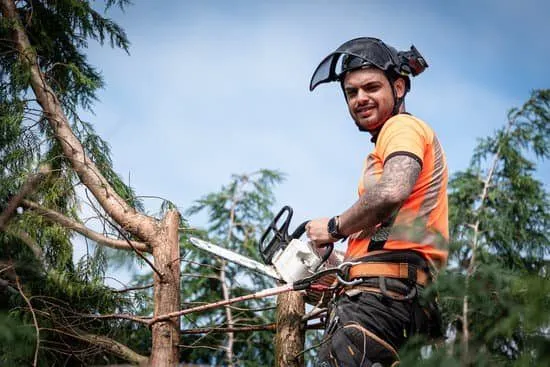
What is Domestic Tree Pollarding in Glasgow?
Ancient Technique for Modern Glasgow Gardens
Pollarding traces its origins to ancient Rome, with Propertius documenting the practice during the 1st century BCE. This traditional tree surgery method spread throughout medieval Europe, reaching Glasgow during Victorian expansion when urban tree management became essential for city development.
Tree pollarding involves strategic removal of upper branches at predetermined heights, promoting dense regrowth from specialized cutting points called pollard heads. Unlike destructive tree topping, professional pollarding maintains the tree’s natural ability to produce vigorous new growth while controlling overall size.
Regular 3-5 year cutting cycles maintain predetermined heights while extending tree lifespan significantly. Partnership advantage: CNJ Tree Services provides commercial equipment access for complex pollarding projects requiring specialist machinery and elevated access platforms.
Pollarding vs Other Tree Management Methods
Professional pollarding differs fundamentally from crown reduction, tree topping, and general tree pruning. Crown reduction maintains natural tree form while reducing size, whereas pollarding creates distinctive knobby heads with dense regrowth patterns.
Tree topping – cutting branches at arbitrary points – damages trees severely and often proves fatal. Professional expertise ensures proper cutting points above previous pollard heads, maintaining tree health and structural integrity throughout the cycle.
Our NPTC certified arborists understand species suitability and proper cutting techniques preventing costly mistakes that amateur attempts often create. Legal compliance includes TPO requirements and conservation area considerations essential for Glasgow homeowners.
Benefits for Glasgow Homeowners
Size control proves essential in confined urban spaces and Victorian garden constraints where mature trees quickly outgrow allocated space. Professional pollarding prevents boundary disputes, utility conflicts, and property damage while maintaining tree benefits.
Enhanced safety through reduced wind resistance and branch weight significantly decreases storm damage risks. Pollarded trees develop strong, healthy limbs through regular cutting cycles, reducing dangerous branch failures common with neglected specimens.
Property value protection: Professional tree management prevents insurance complications while maintaining mature tree benefits including aesthetic appeal, privacy screening, and environmental contributions supporting Glasgow’s urban forest leadership.
When Do Glasgow Homeowners Need Pollarding Services?
Size Management and Space Constraints
Overgrown trees threatening property boundaries create neighbour disputes and legal complications requiring immediate professional intervention. Insurance companies increasingly require tree management documentation for properties with large specimens near buildings or structures.
Utility line clearance prevents expensive power outages and emergency service calls. Professional tree cutting ensures safe distances while maintaining tree health and regulatory compliance with Scottish Power and other utility providers.
Emergency positioning: Storm damage risk reduction through proactive pollarding prevents costly emergency tree removal and property damage repairs following severe weather events affecting Glasgow annually.
Species-Specific Pollarding Requirements
London Plane trees dominate Glasgow streetscapes and residential areas, requiring regular pollarding for size control and health maintenance. These pollution-tolerant specimens respond excellently to traditional cutting cycles.
Willow varieties common in Glasgow gardens require 2-3 year pollarding cycles preventing dangerous branch failures. Tree specialist knowledge ensures appropriate timing and cutting techniques for optimal regrowth and safety.
Lime trees traditional in Glasgow’s Victorian heritage landscapes benefit from 4-5 year pollarding cycles maintaining historical character while addressing modern space constraints. Partnership expertise: CNJ Tree Services provides specialist equipment for large heritage specimens requiring careful handling.
Legal and Planning Considerations
Tree Preservation Order compliance requires professional assessment and application support. Glasgow’s 24 conservation areas mandate written notification six weeks before tree work, requiring expert guidance for legal compliance.
Legal risk emphasis: Unauthorised work on protected trees results in £20,000+ fines plus mandatory replacement costs. Our tree consultants provide FREE TPO checks and handle all necessary applications ensuring complete legal protection.
Professional documentation supports insurance and planning applications while preventing costly legal complications. Our experience with Glasgow City Council requirements ensures smooth processing and approval success.
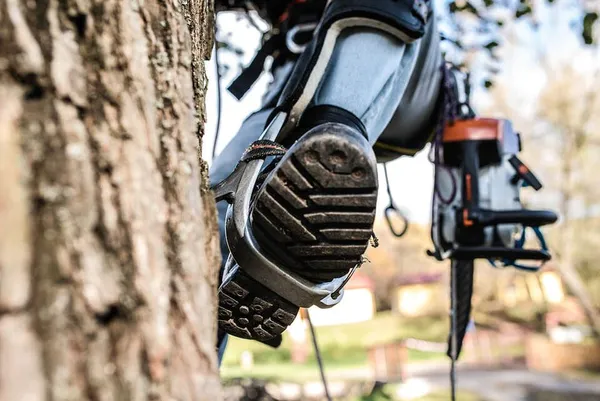
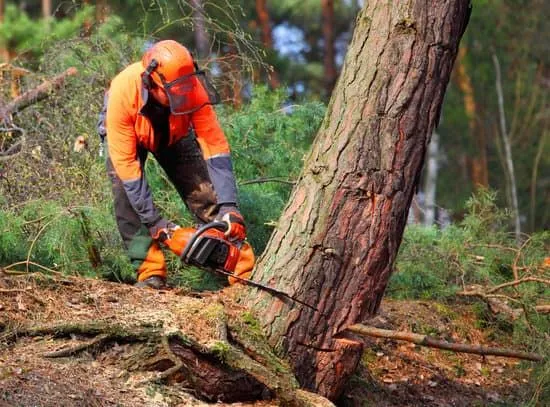
Our Professional Domestic Pollarding Process
Initial Assessment and Species Evaluation
NPTC certified tree surgeons evaluate tree suitability for pollarding considering species, age, health condition, and site constraints. Not all trees respond well to pollarding – professional assessment prevents costly mistakes and tree mortality.
Health condition evaluation identifies disease, structural defects, or stress factors affecting pollarding success. Growth pattern analysis determines optimal cutting heights and cycle timing for individual specimens and site requirements.
Partnership benefit: CNJ Tree Services provides access to commercial-grade assessment tools including sonic tomography and resistograph testing for detailed internal condition evaluation when required for valuable specimens.
Timing and Seasonal Considerations
Dormant season pollarding (November-March) ensures optimal tree health and vigorous spring regrowth. Minimal sap flow during winter months reduces stress and disease risk while promoting strong recovery responses.
Species-specific timing variations accommodate Glasgow’s common urban trees. Willows tolerate pollarding throughout dormant periods while limes benefit from late winter cutting for optimal regrowth timing.
Wildlife protection during nesting seasons (March-July) complies with UK legislation protecting breeding birds. Emergency exceptions: Storm damage assessment and urgent safety pollarding receive immediate attention regardless of season when public safety demands intervention.
Professional Pollarding Execution
Precise cutting above previous pollard heads maintains tree structure and promotes healthy regrowth. Clean cuts using sharp, professional equipment prevent disease entry while encouraging vigorous sprouting from dormant buds.
Safety first approach: Complete risk assessment and method statements ensure safe work practices protecting people, property, and trees. Full insurance coverage provides peace of mind during all tree work operations.
Complete waste removal and site restoration included in all projects. Professional cleanup ensures no debris remains while woodchip production provides valuable garden mulch when requested by homeowners.
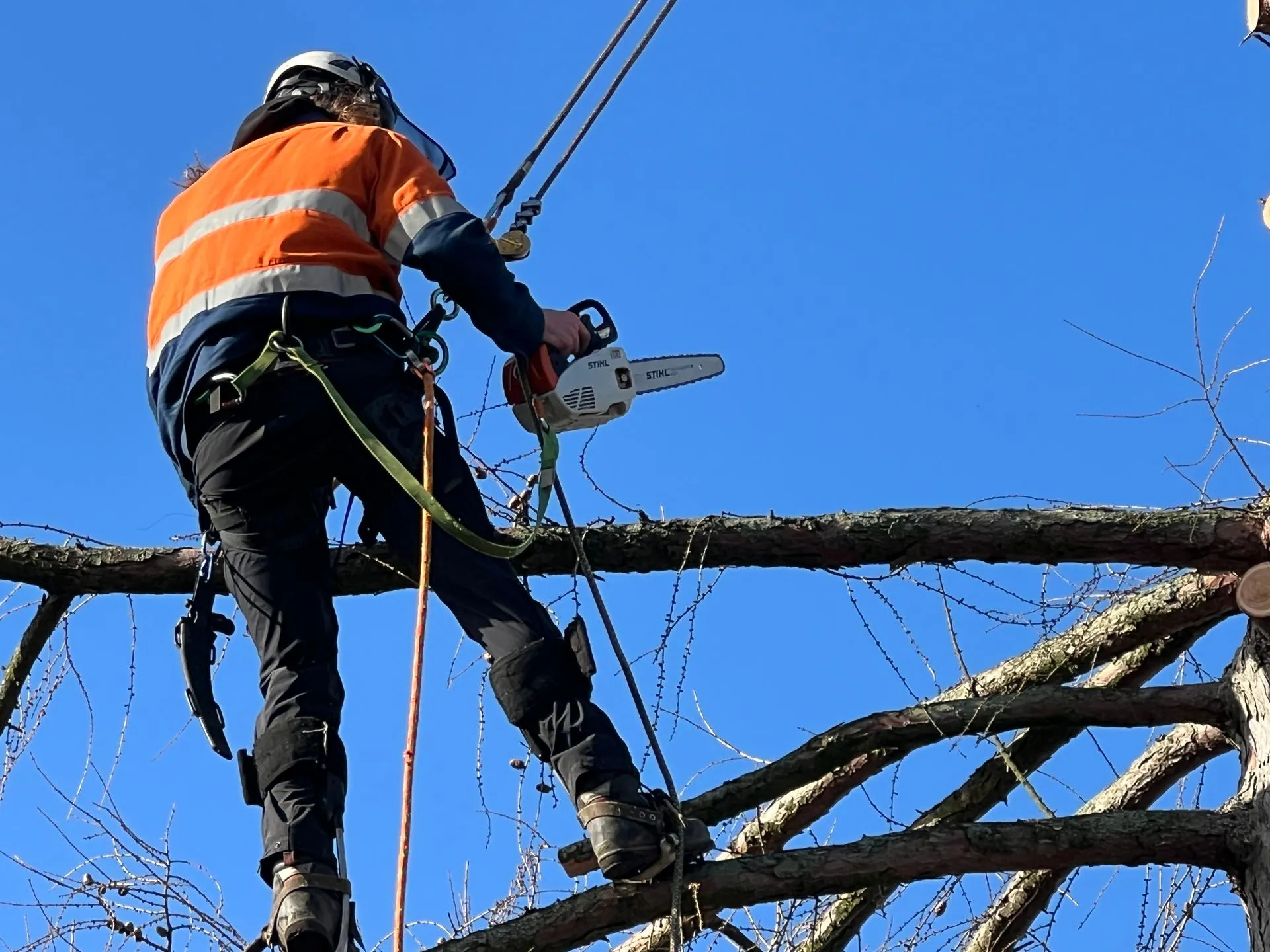
Post-Pollarding Care and Monitoring
Growth monitoring throughout the first season identifies any health issues requiring attention. Professional advice on watering, mulching, and fertilisation supports optimal recovery and regrowth establishment.
Partnership continuity: CNJ Tree Services provides long-term care programmes with scheduled maintenance ensuring pollarding cycles continue appropriately. Professional records track cutting dates, growth responses, and health developments.
Regular health assessments identify disease, pest issues, or structural problems requiring intervention. Early identification prevents major complications while maintaining the long-term benefits of professional pollarding management.
Suitable Tree Species for Glasgow Pollarding
Traditional Pollarding Species in Glasgow
London Plane (Platanus × acerifolia) dominates Glasgow’s urban landscape for excellent pollution tolerance and exceptional pollarding response. These hardy specimens thrive under regular cutting cycles while maintaining healthy, dense regrowth patterns.
Willow varieties (Salix species) provide rapid regrowth making them ideal for intensive pollarding cycles. Traditional riverside management techniques translate perfectly to residential garden applications requiring size control and hazard prevention.
Lime trees (Tilia species) feature prominently in Glasgow’s Victorian streetscape heritage with centuries of successful pollarding tradition. Regular cutting maintains manageable size while preserving the formal character of period landscapes.
Sweet Chestnut (Castanea sativa) responds excellently to pollarding with historic use for sustainable wood production. These long-lived specimens benefit from professional cycles extending lifespans while maintaining practical garden sizes.
Species to Avoid Pollarding
Conifers including Scots Pine lack epicormic growth capability essential for pollarding success. Attempting to pollard these species typically results in tree death as they cannot regenerate from severe cutting.
Fruit trees require specialised tree pruning rather than traditional pollarding techniques. Apple, pear, and other productive species need different management approaches maintaining fruit production while controlling size.
Professional assessment prevents species mistakes that cost homeowners thousands in tree replacement and removal expenses. Our expertise identifies suitable candidates while recommending alternative management for inappropriate species.
Native oak requires careful evaluation and often phased approaches to establish pollarding successfully. Professional guidance ensures appropriate techniques for these valuable specimens supporting Glasgow’s environmental heritage.
Age and Condition Requirements
Young to semi-mature trees establish pollarding cycles most successfully, adapting readily to regular cutting regimens. Early establishment creates strong pollard heads supporting decades of successful management.
Mature tree assessment determines restoration pollarding viability for neglected specimens. Some older trees can be restored to pollarding cycles through careful phased approaches over multiple years.
Health prerequisites: Disease-free condition remains essential for successful pollarding establishment. Our assessment identifies health issues requiring treatment before pollarding commencement ensuring optimal outcomes.
Partnership capabilities enable complex mature tree restoration projects requiring specialist equipment and expertise typically beyond residential service scope.
Domestic Pollarding Pricing and Maintenance Costs
Transparent Glasgow Pollarding Pricing
Small domestic trees (under 6m): £350-£600 per tree
- Basic pollarding establishment and cycle maintenance
- Suitable for small garden specimens and young trees
- Complete waste removal and basic site cleanup included
Medium residential trees (6-12m): £500-£900 per tree
- Standard pollarding for established garden trees
- Most common pricing tier for Glasgow residential properties
- Professional assessment and cycle planning included
Large garden specimens (12m+): £800-£1,500 per tree
- Complex pollarding requiring specialist equipment access
- Heritage trees and mature specimens needing careful handling
- Partnership advantage: Commercial capabilities at residential pricing
No hidden costs guarantee: Fixed pricing includes complete waste removal, professional cleanup, and all safety equipment with transparent quotations confirmed before work commencement.
Ongoing Maintenance Investment
3-5 year pollarding cycles provide sustained size control with long-term cost benefits versus tree removal and replacement expenses. Professional maintenance prevents emergency situations requiring expensive urgent intervention.
Partnership value: Commercial equipment access at residential prices delivers exceptional value for complex projects. CNJ Tree Services capabilities ensure appropriate tools for any pollarding challenge.
Insurance savings: Reduced premiums through professional tree management and documented maintenance records. Insurance companies increasingly recognise proactive tree care reducing claim risks and property damage potential.
Regular cycle planning spreads costs over time while maintaining trees in optimal condition. Professional scheduling prevents costly restoration projects resulting from neglected maintenance and irregular cutting.
Factors Affecting Pollarding Costs
Tree accessibility and site constraints affect equipment requirements and work complexity. Confined spaces or overhead obstructions may require specialist access equipment increasing project costs.
Conservation area consultation and TPO application requirements add administrative costs but ensure legal compliance preventing much larger penalty expenses. Professional handling expedites approvals while maintaining compliance.
Emergency pollarding: Premium pricing applies for urgent safety situations requiring immediate response outside normal scheduling. Storm damage and dangerous conditions demand rapid professional intervention regardless of seasonal timing.
Multiple tree discounts encourage comprehensive garden management with package pricing reducing per-tree costs for properties with several suitable specimens requiring similar maintenance cycles.
Why Choose Glasgow Trees for Domestic Pollarding?
Ancient Technique, Modern Expertise
Nearly 20 years perfecting traditional pollarding methods for Glasgow properties provides unmatched local experience. Our understanding of Victorian garden heritage and modern urban constraints ensures appropriate applications for contemporary homeowners.
NPTC and Lantra certified specialists bring professional qualifications specifically in historic tree management techniques. Continuing education ensures current knowledge of best practices and evolving safety standards.
Partnership advantage: CNJ Tree Services collaboration provides enhanced capabilities for complex residential projects. Commercial-grade equipment access ensures appropriate tools for any pollarding challenge while maintaining cost-effective residential pricing.
Deep understanding of Glasgow’s urban forest challenges includes species selection, site constraints, and environmental factors affecting pollarding success. Local knowledge prevents costly mistakes while optimising outcomes.
Professional Qualifications and Insurance
£5 million public liability insurance covers all pollarding work providing complete peace of mind during tree management projects. Comprehensive coverage protects homeowners against any complications during professional operations.
BS3998 British Standards compliance ensures professional tree surgery meets legal requirements for planning applications, insurance purposes, and quality assurance. Recognised standards demonstrate competency and reliability.
Legal expertise: TPO application and conservation area compliance support prevents £20,000+ fines while ensuring smooth project progression. Professional guidance navigates complex regulations efficiently.
Environmental responsibility: Supporting Glasgow’s 15% canopy coverage leadership through expert tree management balancing practical needs with environmental stewardship and community benefit.
Proven Pollarding Track Record
Hundreds of successful domestic pollarding projects across Glasgow demonstrate consistent quality and customer satisfaction. Experience spans all property types from Victorian terraces to modern developments throughout Central Scotland.
Historic project experience: Pollok Country Park restoration work showcases expertise with heritage trees and complex specimens. Professional capability extends to the most challenging pollarding projects while maintaining residential accessibility.
Risk mitigation: Zero insurance claims in 20+ years of operation demonstrates safe, professional practices protecting people, property, and trees. Comprehensive safety approach prevents accidents and complications.
Partnership reliability: CNJ Tree Services owner-operated business model ensures consistent quality and personal attention to every project regardless of size or complexity.
Comprehensive Service Integration
Seamless connection to broader arboricultural services portfolio provides complete tree care solutions. Pollarding integrates with health assessment, emergency response, and long-term management programmes for comprehensive support.
Emergency response capabilities through CNJ Tree Services partnership ensure dangerous situations receive immediate attention. 24/7 availability provides peace of mind for urgent safety concerns.
Long-term relationships: Multi-generational family tree management creates lasting partnerships supporting property stewardship across decades. Professional continuity ensures consistent quality and appropriate cycle maintenance.
Community leadership: Supporting Glasgow’s environmental and heritage goals through expert tree stewardship. Professional pollarding contributes to urban forest sustainability while meeting practical property requirements.
Glasgow’s Pollarding Heritage and Urban Forest Benefits
Historical Pollarding in Glasgow
Victorian era adoption established pollarding traditions for urban tree management and street beautification. Glasgow’s rapid 19th-century expansion required innovative approaches to tree management in confined urban spaces.
Traditional Scottish woodland management supporting sustainable forestry translates to modern residential applications. Centuries of pollarding knowledge inform contemporary practices adapted for urban environments.
Cultural heritage: Professional pollarding connects modern homeowners to centuries of tree stewardship tradition. Maintaining these practices preserves both individual trees and broader cultural landscape heritage.
Glasgow’s evolution from industrial city to green urban leader demonstrates successful integration of traditional tree management with modern environmental goals and urban planning requirements.
Environmental Benefits for Glasgow
Supporting 450+ tons annual air pollutant removal through managed urban forest demonstrates quantifiable environmental benefits. Professional tree management maximises these contributions while maintaining practical size constraints.
Contributing to 13,000 tons yearly carbon sequestration through tree longevity extension. Pollarded trees often live longer than unpruned specimens, increasing their environmental contributions over extended lifespans.
Biodiversity enhancement: Pollarded trees provide varied habitat structures supporting different wildlife throughout growth cycles. Dense regrowth offers nesting sites while pollard heads create unique ecological niches.
Climate resilience: Size-controlled trees better survive extreme weather events while maintaining canopy benefits. Professional management reduces storm damage while preserving environmental contributions.
Modern Urban Forest Management
Balancing heritage trees with contemporary development pressures requires professional expertise and traditional knowledge. Pollarding provides sustainable solutions for space-constrained urban environments.
Professional stewardship: Ensuring pollarding traditions continue appropriately through expert application and maintenance. Modern safety standards integrate with traditional techniques for optimal outcomes.
Supporting Clyde Climate Forest initiative through expert tree management extending tree lifespans and environmental benefits. Professional pollarding contributes to regional reforestation and carbon sequestration goals.
Property value enhancement: Well-managed pollarded trees increase property appeal and value while providing practical size control. Professional maintenance demonstrates responsible property stewardship to potential buyers.
Partnership Enhanced Capabilities
Through our collaboration with CNJ Tree Services, domestic pollarding clients access commercial-grade equipment and expertise typically reserved for large developments. This ensures the highest standards of traditional pollarding techniques with modern safety and efficiency.
Seamless service integration means pollarding recommendations can be implemented using the same professional team, ensuring consistency and quality throughout your tree management project lifecycle.
Long-term Tree Management Programs
Professional pollarding requires ongoing commitment and expertise spanning decades. Our integrated service approach provides complete tree lifecycle management from initial pollarding establishment through maintenance cycles and eventual replacement planning when necessary.
For Free Quotation and Expert Advice
Frequently Asked Questions
What is tree pollarding and why would I need it for my Glasgow property?
Tree pollarding is an ancient pruning technique dating back to Roman times, involving the systematic removal of upper branches to promote dense regrowth at a predetermined height. Glasgow homeowners typically need pollarding for size control in confined urban spaces, particularly with species like London Plane, Willow, and Lime trees common in our city’s Victorian heritage landscapes. Pollarding prevents trees from outgrowing their allocated space while maintaining their health and extending their lifespan significantly beyond normal expectations. The technique proves especially valuable for properties with overhead constraints, utility lines, or boundary restrictions where standard tree growth would create complications with neighbours or infrastructure. Our NPTC certified tree specialists understand which species respond well to pollarding and can establish proper cutting points ensuring healthy regrowth patterns. Unlike amateur tree “topping” which damages trees severely and often proves fatal, professional pollarding maintains the tree’s natural ability to produce vigorous new growth from specialized cutting points called pollard heads. This traditional method offers sustainable tree management preserving Glasgow’s urban forest while addressing practical property constraints and safety requirements.
How much does domestic tree pollarding cost in Glasgow?
Domestic tree pollarding costs in Glasgow range from £350-£1,500 per tree depending on size, species, accessibility, and site complexity. Small residential trees under 6 metres typically cost £350-£600, medium trees 6-12 metres range £500-£900, while large garden specimens over 12 metres cost £800-£1,500 reflecting increased complexity and equipment requirements. Our transparent pricing includes complete waste removal, professional site cleanup, and detailed documentation with absolutely no hidden costs or surprise charges. Factors affecting cost include tree accessibility requiring specialist equipment, conservation area consultation requirements, and TPO application support when legal permissions are necessary. Multiple tree projects often qualify for package discounts, making comprehensive garden pollarding more economical for properties with several suitable specimens. While initial pollarding investment may seem significant, the long-term benefits include extended tree life, reduced storm damage risk, and elimination of costly emergency tree removal and replacement expenses. Regular pollarding cycles every 3-5 years maintain size control at lower annual costs than emergency tree work or property damage repairs following neglect. Our partnership with CNJ Tree Services provides commercial-grade equipment access at residential prices, delivering exceptional value and professional results. Payment terms remain flexible with no charges until work completion and your complete satisfaction.
When is the best time to pollard trees in Glasgow?
The optimal time for tree pollarding in Glasgow occurs during the dormant season, typically November through March, when sap flow remains minimal and trees experience reduced stress from major pruning operations. Late winter pollarding (February-early March) often proves most effective as it allows trees to channel maximum energy into vigorous spring regrowth while avoiding wildlife disruption. This timing also protects nesting birds and wildlife dependent on tree habitats, complying with UK wildlife protection legislation and preventing legal complications. However, species-specific variations exist with some varieties like willows tolerating pollarding throughout the dormant period while others benefit from more precise timing within this window. Our NPTC certified arborists understand these nuances for Glasgow’s common urban tree species ensuring optimal timing for each individual specimen. Emergency pollarding for safety reasons may occur outside optimal timing when storm damage or dangerous conditions require immediate intervention regardless of seasonal considerations. We avoid autumn pollarding as decay fungi remain more active during this period, potentially entering fresh cuts and compromising tree health through infection. Summer pollarding is rarely recommended except for specific species like walnuts requiring different seasonal approaches based on their unique physiology. Weather conditions also influence timing with work postponed during high winds or severe weather ensuring safety and optimal cutting conditions for best results.
Which trees are suitable for pollarding in my Glasgow garden?
Several tree species common in Glasgow gardens respond excellently to pollarding, particularly London Plane trees widely planted in Victorian developments for their exceptional pollution tolerance and excellent regrowth capacity. These hardy urban specimens thrive under regular cutting cycles while maintaining healthy, dense growth patterns ideal for city environments. Willow varieties, including weeping willows popular in residential landscapes, benefit significantly from regular pollarding maintaining manageable size while promoting vigorous healthy growth and preventing dangerous branch failures. Lime trees, traditional in Glasgow’s historic streetscapes, have centuries of successful pollarding heritage making them ideal candidates with proven performance in urban conditions. Sweet Chestnut trees respond well to pollarding, historically managed this way for sustainable wood production and demonstrating excellent long-term adaptation to regular cutting cycles. However, not all species are suitable for pollarding – conifers like Scots Pine lack epicormic growth ability essential for pollarding success and may die from such severe pruning interventions. Fruit trees require specialized tree pruning rather than traditional pollarding techniques to maintain productivity while controlling size. Oak trees can be pollarded but require careful assessment and often phased approaches over multiple years to minimize stress and ensure survival. Our professional evaluation determines species suitability, tree age, health condition, and site factors before recommending pollarding to ensure successful long-term management outcomes.
Do I need permission to pollard trees on my Glasgow property?
Permission requirements for tree pollarding in Glasgow depend on protection status and location with several legal considerations affecting homeowners. Trees covered by Tree Preservation Orders (TPOs) require formal Glasgow City Council approval before any pollarding work, with unauthorized work resulting in £20,000+ fines plus mandatory replacement costs and potential criminal prosecution. Glasgow has 24 conservation areas where tree work requires written notification to the council six weeks before commencing work, even for unprotected trees within these designated zones. Our tree consultants provide FREE TPO checks and handle all necessary applications and notifications on your behalf, ensuring complete legal compliance and peace of mind throughout the process. Unprotected trees on private property typically don’t require permission, though checking with Glasgow City Council remains advisable for complex situations or valuable specimens. We assist with TPO applications including professional justification for pollarding requirements, significantly improving approval chances through proper documentation and technical expertise demonstrating necessity and appropriateness. Conservation area notifications are handled efficiently ensuring no project delays while maintaining complete legal compliance with local planning requirements. Our extensive experience with Glasgow’s planning requirements means smooth processing of all necessary permissions with high success rates. We also advise on timing restrictions protecting nesting birds and wildlife habitats as required by UK wildlife legislation, ensuring environmental compliance alongside planning requirements.
How often will my pollarded trees need maintenance in Glasgow?
Pollarded trees in Glasgow typically require re-pollarding every 3-5 years to maintain their size, health, and safety characteristics, though specific timing depends on species, growth rate, and local environmental conditions. Fast-growing species like willows may need attention every 2-3 years due to their vigorous regrowth patterns, while slower-growing trees like limes might extend to 4-5 year cycles maintaining appropriate size control. Neglecting regular pollarding cycles creates serious safety hazards as new growth becomes increasingly heavy and poorly attached to original pollard heads, risking dangerous branch failures during storms or high winds. Our professional maintenance scheduling ensures optimal timing for each tree species and individual growth patterns based on decades of experience with Glasgow’s urban forest. Between pollarding cycles, annual inspections monitor tree health, identify potential issues early, and plan upcoming work requirements preventing emergency situations. This proactive approach proves more cost-effective than irregular emergency work, as established cutting points heal better and regrowth remains manageable with proper timing. Regular pollarding cycles become significantly more economical than reactive maintenance or emergency tree removal following storm damage or structural failure. We provide ongoing maintenance programs with scheduled inspections and work planning, ensuring your pollarded trees receive appropriate care throughout their significantly extended lifespan. Our partnership with CNJ Tree Services enables long-term maintenance contracts providing consistency and professional continuity across decades of tree stewardship.
What happens if I don't maintain my pollarded trees regularly?
Neglecting regular pollarding maintenance creates serious safety and health risks for both trees and property with potentially dangerous and expensive consequences. When pollarded trees aren’t re-cut on proper cycles, new growth becomes increasingly heavy and poorly attached to the original pollard heads, creating dangerous failure points during storms or high winds with branches potentially breaking unexpectedly. Property damage from falling branches can be extensive, potentially damaging roofs, vehicles, or injuring people below with homeowners facing significant liability for foreseeable accidents. Insurance companies may refuse claims for damage from obviously neglected pollarded trees, making regular professional maintenance essential for coverage protection and financial security. Trees suffer severe stress from irregular pollarding schedules, becoming increasingly susceptible to disease, decay, and premature death requiring expensive removal and replacement. Restoration of neglected pollards becomes progressively more expensive and complex over time, sometimes requiring complete tree removal when the situation becomes irreversible through extended neglect. Our professional assessment can determine if neglected pollards can be safely restored or require removal for safety reasons, providing honest guidance about viability and costs. Early intervention prevents costly complications while preserving the substantial investment already made in pollarded trees and their established cycles. We provide specialized restoration services for moderately neglected pollards, often requiring carefully phased approaches over multiple years to safely return trees to proper maintenance cycles. Professional monitoring ensures early identification of any developing issues requiring attention before they become major problems.
How do I book domestic pollarding services with Glasgow Trees?
Booking domestic pollarding services with Glasgow Trees is straightforward and efficient with multiple convenient options available. Call our direct line 0141-483-7485 to speak with our NPTC certified team who will assess your requirements and provide immediate guidance on pollarding suitability, optimal timing, and accurate cost estimates. Our online enquiry system provides 24/7 booking capability with quote requests answered within 4 hours during business days ensuring rapid response to your tree management needs. We arrange convenient site visits within 24-48 hours of initial contact, with flexible scheduling including early morning, evening, and weekend appointments accommodating your busy lifestyle and availability preferences. Initial consultation is completely FREE with absolutely no obligation, allowing us to evaluate tree species, condition, site requirements, and legal considerations before providing accurate quotations and professional recommendations. We explain pollarding cycles, maintenance requirements, and long-term management expectations ensuring you understand the commitment involved and benefits provided. Our comprehensive assessment includes FREE TPO checks and conservation area compliance verification preventing legal complications and ensuring smooth project progression. Emergency pollarding for dangerous trees receives priority scheduling with same-day response available when safety concerns are identified during initial consultation. Our partnership with CNJ Tree Services ensures additional capacity during peak periods, minimizing waiting times while maintaining the highest quality standards. Payment is only required after work completion and your complete satisfaction with the professional pollarding results achieved.
Preserve Glasgow’s Tree Heritage with Professional Pollarding
Don’t let overgrown trees compromise your Glasgow property’s safety and beauty. Glasgow Trees’ NPTC certified arborists bring nearly 20 years of traditional pollarding expertise to preserve both your trees and Glasgow’s rich arboricultural heritage.
Our partnership with CNJ Tree Services delivers commercial-grade pollarding capabilities for residential properties, ensuring the highest standards of this ancient tree management art while maintaining cost-effective pricing for homeowners.
📞 Call 0141-483-7485 for your FREE pollarding consultation
Your Glasgow Pollarding Benefits Include:
✅ FREE assessment and species suitability evaluation
✅ NPTC certified traditional pollarding expertise
✅ £5 million insurance protection guaranteed
✅ Complete TPO and conservation area compliance
✅ Ancient Roman techniques with modern safety standards
✅ Partnership capabilities for complex residential projects
✅ 3-5 year maintenance cycle planning included
✅ Supporting Glasgow’s urban forest heritage
✅ Transparent pricing with no hidden costs
✅ Complete waste removal and site restoration
Need urgent pollarding assessment? Call now: 0141-483-7485
Whether you’re managing Victorian garden heritage trees or establishing pollarding cycles for modern plantings, our Glasgow-based team delivers professional results preserving both tradition and tree health. Trust expert tree pollarding services that honour Glasgow’s arboricultural heritage while protecting your property investment.