Tree Surgeon in Law, Clyde Valley, South Lanarkshire
- All tree work carried out to British Standard BS3998
- Fully insured, trading in the area since 2005
- Free, no-obligation quotes agreed after a site visit, not over the phone
A hedge running along a field boundary near Law is a different job from a hedge three miles into Glasgow: harder ground underfoot, more exposure to wind and weather, and often a field gate or a stretch of rutted track between the road and the tree rather than a driveway. Garden trees in Law itself sit right up against this same farmland, so a leaning sycamore at the bottom of a garden and an overgrown hedge two fields over end up as the same kind of call-out rather than two different trades.
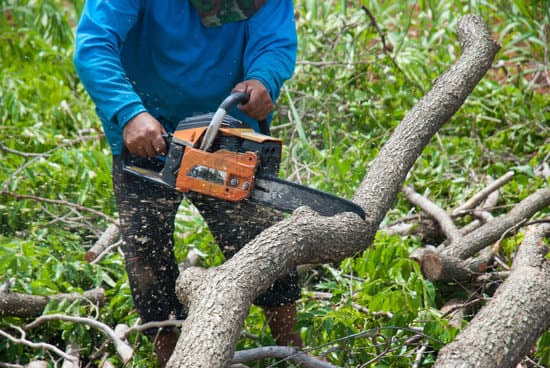
Most of the work here falls into a handful of types: a single tree that has outgrown its plot or started to lean, a hedge line that has gone a year or two past its last cut, a stump left behind from a job done elsewhere, or storm damage that needs making safe quickly rather than scheduled in for next month. What changes from one job to the next usually isn't the tree itself - it's what's around it: a gate that needs opening for machinery, ground near the Clyde that's soft enough to matter, or a hedge that sits on the line between two owners rather than inside one garden.
That mix of garden and farmland-edge work also means the same call-out can turn up two quite different answers on the same day. A garden tree with a driveway right up to it is a chainsaw-and-chipper job with nothing else to plan around; a boundary tree two fields back needs someone to check the gate width, whether the ground will take a tractor and forwarder trailer or a 360 excavator, and whether a Tree Preservation Order or Conservation Area status applies before a date for the work gets agreed. Both get looked at the same way - on site, before any price is fixed - rather than one being treated as the default and the other as an afterthought.
Glasgow Trees has been doing this work since 2005, to British Standard BS3998, fully insured throughout, with the NPTC and Lantra certificates behind that covering both the climbing side of the job and the machinery side - felling, aerial rescue and rigging alongside tickets for the tractor, forwarder trailer and 360 excavator that a farmland-edge job can call for. A quote costs nothing and comes with no obligation to book - it follows a look at the actual tree and the ground around it, not a guess made over the phone, and it ends in an honest answer either way, including on the occasions where the right answer is a reduction now and a fell later rather than taking a tree straight out.
Extras That Cost More Than the Base Quote
- Residential and commercial tree surgery, including felling, crown reduction, pruning and trimming
- Emergency and storm response for windblown or dangerous trees
- Hedge cutting and hedge management
- Stump grinding
- Site clearance and grounds maintenance for developments and commercial sites
- Tree inspections and condition reports
Not Included / Costed Separately
- Removing felled timber and brash from site - some customers keep logs for firewood, which changes the price either way
- Stump grinding - priced separately from felling or removal unless booked together
- Any work on a tree covered by a Tree Preservation Order or in a Conservation Area, until council consent is confirmed
- Extra plant such as a crane or additional rigging for very restricted access - this is quoted once seen, not assumed in advance
- Replacement planting or new stock - quoted as its own job, separate from removal work
Getting a Tree Job Done on Clyde Valley Ground
- First contact -- Call or send photos with a description of the tree and its setting - mention if it's behind a field gate, on a riverbank or only reachable down a farm track, since that changes what needs to come out with the crew.
- Looking at the ground as much as the tree -- A site visit checks the tree itself alongside access: gate widths for machinery, how firm or waterlogged the ground is near the Clyde, overhead lines, and whether a TPO or Conservation Area applies before any work is agreed.
- A price that reflects the access, not just the tree -- The free quote accounts for how the job will actually be worked - straightforward garden access costs differently to a tree that needs a tractor and forwarder trailer, or an excavator, to get in and out.
- Booking around weather and ground conditions -- Storm damage and dangerous trees jump the queue ahead of routine pruning or hedge work; jobs on soft riverside or field ground are also timed around weather so machinery isn't brought in when the ground won't take it.
- The work itself -- Climbing, rigging or a mobile platform is used depending on access, hazardous limbs come down before the main stem following BS3998 practice, and where ground allows, a tractor, forwarder trailer or 360 excavator handles extraction rather than carrying everything out by hand.
- Clearing up and leaving the site as found -- Brash is chipped and arisings cleared unless a different arrangement was agreed at quote stage, gates and fences are left as they were, and any inspection report is issued if that was part of the brief.
What a Job Like This Tends to Cost
Tree work is priced by the job rather than off a fixed rate card, because two trees that look similar from the pavement can take very different amounts of time depending on how they're rigged down, whether a crane or extra ropework is needed for access, and what happens to the arisings afterwards. A crown reduction on a garden tree with clear access is a different job to felling a mature tree boxed in by fencing, sheds or overhead lines, and stump grinding is normally costed as a separate line rather than bundled automatically into felling. The only number worth relying on comes from an actual site visit, which is carried out free and without obligation before any price is agreed.
Matching the Right Service to the Job
| Service | What it involves | Typical use case |
|---|---|---|
| Crown reduction / pruning | Cutting back around a quarter of the crown, or thinning secondary branches to reduce weight and let light through | A tree that has grown too large for the garden or overhangs a boundary |
| Tree felling / removal | Hazardous limbs taken down before the main trunk, dismantling the tree section by section where space is tight | Dead, dangerous or unwanted trees, including those near buildings or lines |
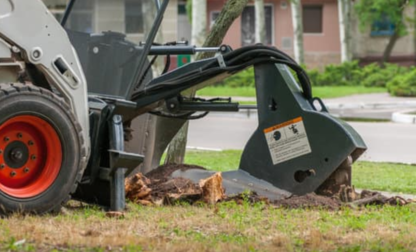
| Stump grinding | Grinding the stump below ground level rather than digging it out | Removing a trip hazard or clearing ground for planting or paving after felling |
| Emergency / storm response | Making a windblown or storm-damaged tree safe, often the same day | Trees that have come down or split in high winds across the Clyde Valley |
The Kit and Certificates a Clyde Valley Job Actually Needs
The certificates that matter most for work around Law aren't the climbing ones - they're the machinery tickets. A farm gate, a soft riverbank or a field boundary hedge often rules out a van-and-ladder approach before any climbing even starts, which is why the team's NPTC and Lantra qualifications cover the 360 excavator, timber crane, FMO tractor and forwarder trailer needed to get across that ground and extract timber without leaving ruts across a client's field. The same team also holds the climbing and dismantling certificates for the other half of an awkward site - small and large tree felling, windblown trees, aerial rescue, chainsaw from rope and harness - so one crew can handle both the access problem and the tree itself, rather than a job needing a second contractor for whichever part doesn't fit. Glasgow Trees has traded in this line of work since 2005, all of it carried out to British Standard BS3998 and covered by full insurance, with NPTC Professional Tree Inspection qualifications available where a written condition report is needed rather than just a cut. A free, no-obligation quote follows once someone has actually walked the ground, not guessed at it over the phone.
Covering Law and the Wider Clyde Valley
Law sits within the Clyde Valley stretch of South Lanarkshire that Glasgow Trees covers alongside Carluke, Lesmahagow, Larkhall, Lanark, Kirkmuirhill, Crossford, Dalserf and Rosebank, reached as part of a service area running out along the M74 corridor from Glasgow. This part of South Lanarkshire mixes farmland, riverside woodland and mature garden trees, which brings a fairly wide range of work - large garden trees that have outgrown their plot, hedge lines encroaching onto neighbouring land, and boundary trees along fields and driveways that need periodic reduction rather than removal.


Common Questions About Tree Surgery in Law and South Lanarkshire
Does a tree on a Law field boundary need council permission before it's cut?
Most don't - the exception is a tree under a Tree Preservation Order or inside a Conservation Area, where council consent is needed before cutting starts, and sometimes before pruning too. A boundary or hedgerow tree isn't automatically exempt just because it sits on a field edge rather than in a garden - the assumption that farmland trees are somehow outside council reach is a common one, but it isn't a reliable one to plan around. Whether a particular hedge line or boundary tree is protected gets checked against the local TPO record during the site visit rather than assumed either way in advance, and it's confirmed before anything is booked in, not left until after the work has already started.
How quickly can you get to a storm-damaged or dangerous tree?
Emergency callouts are treated as a priority ahead of routine pruning and hedge work. Call and describe what's happened - a split limb, a leaning tree or one that's already come down - and you'll get a realistic idea of timing based on how urgent it is.
Will you take the wood and branches away, or do I need to deal with them?
Clearing arisings is part of a standard quote unless agreed otherwise. Some customers keep the logs for firewood or have branches chipped and left as mulch, which is worth mentioning at the quote stage since it can change the price either way.
If a tree is felled in Law, does the stump come out as part of the same price?
Not as standard - the grinder is a separate machine from what's used to fell a tree, and getting it to the stump sometimes means opening a gate or crossing ground that wasn't needed for the felling itself. A stump sitting well back from the road or across soft field ground can mean a second trip with different kit even when the felling itself was straightforward, so folding the two together as one automatic price would either overcharge the easy cases or undercharge the awkward ones. Pricing it as its own line means someone who wants to keep a stump for now, or wait until the ground has dried out before machinery crosses it again, isn't paying for work they haven't asked for. It's straightforward to add onto the same visit where the access is already sorted, or book on separately once a date suits.
What happens to a stump if I don't have it ground out?
It's left in place. Over time stumps can become a home for pests and disease, and on a lawn they're an obvious trip hazard, which is why most customers choose to have the stump ground down below turf level rather than leave it.
Can you provide a written report for a mortgage, insurance or planning application?
Yes, tree surveys and reports are part of the inspection service, prepared by team members holding NPTC Professional Tree Inspection qualifications. This covers condition and health assessments for a sale or mortgage, and supporting documents for planning or development applications.
How much notice do you need for hedge cutting or routine pruning?
There's no fixed rule, but booking a few weeks ahead is sensible in spring and early summer when demand for hedge cutting and pruning peaks. Anything that isn't urgent can usually be scheduled around whatever timeframe suits you.
Can you get machinery onto a field or riverside site if there's no proper road access?
Often yes - the team is certified on a 360 excavator, tractor and forwarder trailer for exactly this kind of access, but it's confirmed at the site visit rather than assumed, since gate widths, soft ground and slope all affect what can safely go in.
Are you insured if something goes wrong during the work?
Yes. All work is covered by public liability insurance, and the team works to British Standard BS3998 procedures, which set out how a job should be planned and carried out safely, including the order limbs come down in and how the surrounding area is protected.
Get a Free Quote for Your Law or Clyde Valley Tree
A leaning tree, an overgrown hedge or a stump in the way rarely gets easier by leaving it - storm-loosened trees in particular can go from stable to dangerous after the next spell of wind and rain. Get in touch with a description or a few photos and a free, no-obligation quote will follow once someone has looked at the tree and the ground it's on.
Glasgow Trees
Call 0141-483-7485