
Tree Surgeon Carluke
- Trading as Glasgow Trees since 2005, working across South Lanarkshire and the Clyde Valley
- Fully insured crew working to British Standard BS3998, with NPTC/Lantra certified felling and rigging
- Free, no-obligation site visit before any price is agreed
Carluke sits at the western edge of the Clyde Valley, the stretch of river ground between Lanark and Hamilton that's been planted with orchards and glasshouses for generations alongside beech, ash and conifer windbreaks on the surrounding farmland. That mix of old fruit trees, roadside timber and shelter planting is what keeps this part of South Lanarkshire a steady patch of work for us. Glasgow Trees has worked on trees across the city and the surrounding council areas since 2005, and every job out here follows the same British Standard BS3998 practice we use everywhere else, whether it's a storm-damaged apple tree in a Carluke garden or a hedge boundary that's got away from someone.
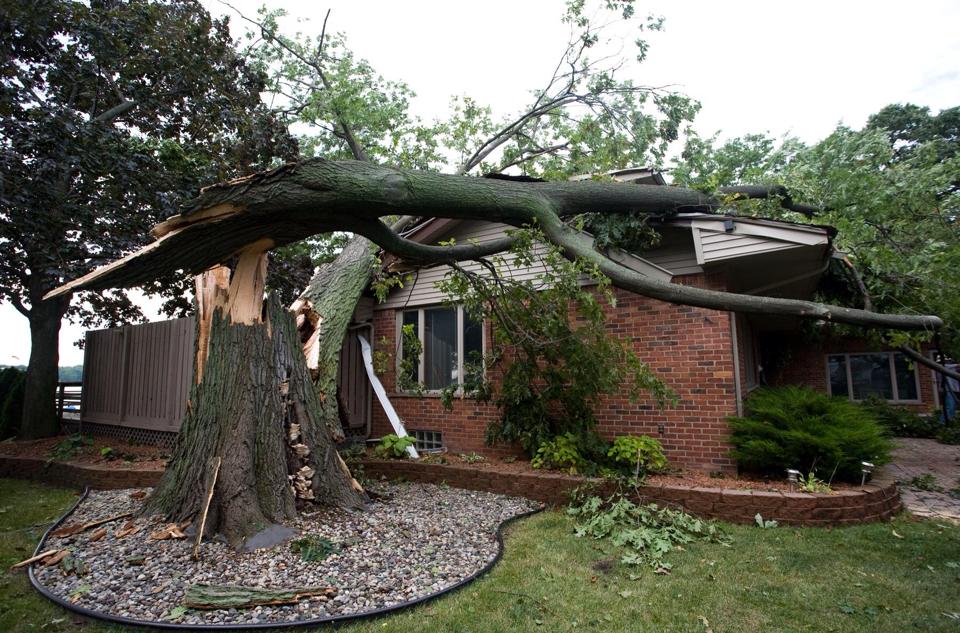
If a tree looks like it's on the way out or has started leaning after wind, our [[LINK:/tree-removal-when-and-why-its-necessary|guide to when tree removal is actually necessary]] sets out the warning signs worth checking before you book anyone. Where a stump gets left behind afterwards, our [[LINK:/tree-stumps|stump removal and grinding page]] explains how that part of the job is usually priced separately. Either way, the first step is a free, no-obligation look at the tree in person, before any figure is fixed.
Old Orchard Trees and Shelterbelt Timber Around Carluke
- Clearing a driveway, garden or field access blocked by a fallen or felled tree
- Hedge cutting and shaping, including boundary hedges that have run on for several seasons without attention
- Crown reduction and structural pruning on garden trees and boundary specimens
- Stump grinding once a tree is down
- Felling or sectional dismantling of old orchard trees and conifer shelterbelt timber that's died back, split through the trunk, or come loose in wind - both are common on Clyde Valley farmland edges
Not Included / Costed Separately
- Tree Preservation Order and conservation area applications go to the council under your name, not ours - the Clyde Valley's older estate and orchard ground carries more of these than most areas, so we flag it at the site visit and advise what the application needs to cover
- Cutting on or near live overhead power lines is referred to the network operator alongside our own assessment, since that specific clearance training is still being completed across the team
- Same-day work is reserved for storm damage and dangerous trees; routine pruning, hedge cutting and topiary go in as scheduled visits, not call-outs
- Waste and log removal from site is priced as an add-on to felling or pruning rather than assumed as part of it - say at the quote stage if you want everything chipped and taken away, since some customers prefer to keep logs for firewood instead
From First Call to a Cleared Site
- Enquiry -- Tell us what the tree or hedge is, roughly how big it is, and whether access is tight - narrow lanes and older garden boundaries are common around Carluke and the Clyde Valley, and it changes what kit gets brought out.
- Site visit and quote -- An arborist looks at the tree itself: species, condition, whether it sits under a Tree Preservation Order or conservation area status, and the safest way to fell, dismantle or prune it. On older orchard and farmland ground that also means checking the trunk for the hollowing or splitting that comes with age, since that changes whether a straight fell or a roped, sectional take-down is the safer plan. That visit is where the free quote gets fixed - no figure is given from a phone description alone.
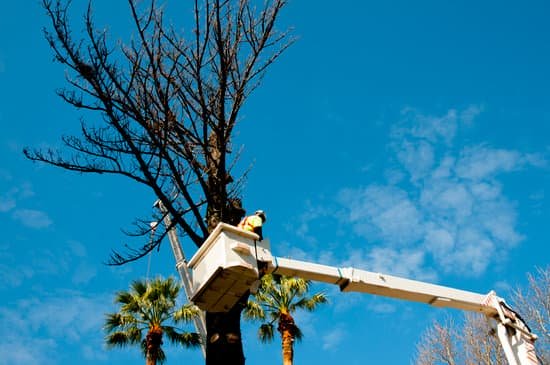
- Work and clear-up -- The crew arrives with the kit agreed at the quote - chainsaws, chipper, and rigging or rope gear for anything that can't be dropped in one piece. Old orchard trees are often hollow or split through the trunk after decades with no attention, so a lot of this is sectional dismantling rather than one felling cut, and shelterbelt conifers get rigged down carefully where they're standing close to a glasshouse or boundary fence. Once the tree's down, timber and brash are cleared, chipped or left as agreed, the stump is ground out if that was part of the job, and the site is swept before the invoice goes out.
What a Clyde Valley Quote Actually Turns On
An arborist looks at the actual tree before any number gets attached to a Clyde Valley job - not a description of it over the phone, and that site visit and the quote it produces are both free, with no obligation to book. Once someone's actually there, access usually decides more of the final figure than height or species alone: a shelterbelt conifer or orchard tree standing in an open field costs less to deal with than the same tree wedged between a glasshouse and a garden wall, since rigging and extra time get added wherever machinery can't just drive up to it. A hollow or split orchard trunk can also take longer to bring down safely than a sound tree of the same size, because sectional dismantling by rope replaces a single felling cut, and that extra time on site is reflected in the figure rather than hidden in it. Stump grinding and waste removal are priced on top of felling or pruning rather than folded into it automatically, so it's worth saying at that first visit if either is wanted, along with whether a stump grinder or a heavier machine such as a 360 excavator can actually get onto the ground in question.
Why a Certified Tree Surgeon Rather Than a General Handyman
| Glasgow Trees | General landscaper or handyman | |
|---|---|---|
| Insurance | Fully insured for tree surgery work | May hold only general trade insurance |
| Standard followed | Work carried out to British Standard BS3998 | No set arboricultural standard |
| Qualifications | NPTC/Lantra certified in large tree felling, windblown trees, aerial rescue and rigging | Not typically tree-specific |
| Old orchard and shelterbelt trees | Rigging and sectional dismantling for split trunks, hollow orchard timber and windbreak conifers | Usually limited to small, ground-level jobs |
| Quotes | Free site visit before any price is fixed | Varies by trader |
What an Old Orchard Trunk Actually Needs Before a Saw Touches It
A Clyde Valley orchard tree that's stood on the same ground for sixty or eighty years rarely comes down the way a young garden specimen does. Cut into one and there's a real chance the trunk is hollow through the centre or split along an old graft line, which changes the felling plan the moment the saw finds it - a straight drop that looked safe from the ground can turn into an uncontrolled one once the wood underneath doesn't hold the way it should. Deciding how to bring a tree like that down, in sections and roped rather than dropped whole, is what the large tree felling and rigging and dismantling tickets in the team's NPTC/Lantra record are actually for, not a line to quote back at a customer. Shelterbelt conifers standing close to a glasshouse or fence get the same treatment, brought down piece by piece with windblown-tree training rather than felled and hoped for the best.
The ground itself asks its own questions too. Older orchard and farmland plots around Carluke are sometimes soft, sloping or cut through with drainage ditches, which is exactly where a stump grinder or 360 excavator earns its place over hand tools alone, and where a wider forwarder trailer matters on a job with real distance between a felled tree and the nearest road. None of that removes the value of a second opinion before any cutting starts, which is the point of a free site visit: an arborist looks at the actual trunk, checks whether the tree carries a Tree Preservation Order given how much of the Clyde Valley's older estate and orchard ground has one, and works to British Standard BS3998 whatever gets agreed. The insurance in place covers all of that work, and it doesn't change by tree type or garden - an old orchard trunk gets the same cover as a young hedge line. Glasgow Trees has been operating under that name since 2005, time enough to have handled plenty of Clyde Valley orchard ground and farmland shelterbelts along the way.
Where Cover Runs From Carluke
Coverage in South Lanarkshire follows specific towns rather than blanket county coverage, so Carluke and the wider Clyde Valley are included only in parts - checking a particular postcode by phone first saves a wasted trip either way, ahead of any visit going in the diary. From Carluke, cover runs toward [[LINK:/tree-surgeon-east-kilbride.html|East Kilbride]], Hamilton, Blantyre and Bothwell, all reached along that same corridor, and back in toward Glasgow the same team also works Paisley, Clydebank and Rutherglen as part of the wider footprint across Glasgow City, Renfrewshire, East Renfrewshire and West Dunbartonshire. Carluke's own ground sits higher and more exposed than the Clyde Valley proper below it - the steep river land running toward Lanark that's carried orchards and glasshouses for well over a century, alongside beech, ash and conifer windbreaks on the surrounding farmland. Trees down on the valley floor near the orchards and glasshouses tend to sit more sheltered from wind than the beech and ash on Carluke's own higher fields, which take more of it and grow accordingly - worth knowing if a garden tree here looks more storm-affected than one down nearer the river.


Questions We're Asked About Carluke Tree Work
Can you deal with old fruit trees and orchard remnants, which are common around here?
Yes - old orchard trees are common on Clyde Valley ground and are assessed and pruned the same way as any other tree for health, shape and hazard reasons, including the split or hollow trunks that older fruit trees often develop. We don't offer commercial fruit-yield pruning as a separate horticultural service, but general safety and structural pruning is covered.
How do you handle a tree that's grown into or near power lines?
We flag it rather than cut it ourselves. Work close to live overhead lines needs sign-off from the network operator, and that specific clearance training is still being completed across our team, so any tree fouling a power line gets referred to the operator alongside our own assessment of the tree.
Do I need permission to remove or prune a tree in Carluke or the Clyde Valley?
It depends on whether the tree carries a Tree Preservation Order or sits inside a conservation area - both apply in parts of South Lanarkshire, and the Clyde Valley's older estate and orchard ground is more likely than most to have one. We check this during the site visit and tell you before any work starts what, if anything, needs council consent first; the application itself goes in under your name, though we'll advise on what it should cover.
Are you insured and qualified to take on a large or awkward tree?
Yes. The team is fully insured and holds NPTC/Lantra certificates covering large tree felling, windblown trees, aerial rescue and rigging or dismantling, along with machinery tickets for the crane, chipper, stump grinder and similar equipment.
Can you get out quickly for storm damage or a leaning tree?
Yes - a dangerous or storm-affected tree is treated as an emergency and prioritised ahead of routine bookings. Ordinary pruning, hedge cutting and similar work is scheduled in the normal way rather than as a same-day call-out.
Do you grind the stump as part of felling a tree, or is that separate?
Usually separate. Felling and stump grinding are priced as two parts of the same quote, so let us know at that stage if you want the stump ground down as well - it needs the grinder brought to site and changes how the job is timed. More detail is on our stump removal page.
What happens to the wood, branches and chippings afterwards?
That gets agreed at the quote rather than assumed. Some customers keep logs for firewood, some want everything chipped and taken away, and larger jobs sometimes need a separate visit for waste removal - it's priced into the same quote so nothing gets added on afterwards.
How can you quote a price without seeing the tree first?
We don't, in practice. Height, species, access for machinery down a Clyde Valley lane or garden path, and whether stump grinding or waste removal is wanted all change what a job costs, so any figure follows an arborist actually looking at the tree, not a phone description of it. That visit and the quote it produces are both free.
Don't Let a Leaning Tree Wait Out the Rest of the Summer
A leaning tree, a cracked limb over a path, or a hedge that's got out of hand rarely gets easier to deal with by leaving it over the summer. A free site visit gets you a straight answer on what actually needs doing and what it will cost, with no obligation to book anything afterwards, whether the tree in question is a Carluke garden apple tree or a shelterbelt conifer out on the farmland edge.
Glasgow Trees
Call 0141-483-7485