
Tree Surgeon Coatbridge: Reading the Ground Before Reaching for the Chainsaw
- Qualified for large tree felling, aerial rescue and rigging, not just routine pruning
- Quotes cost nothing and follow an actual look at the tree, never a guess over the phone
- Every job carried out to BS3998, the recognised standard for tree work
A tree in Coatbridge is often growing on ground that used to be an ironworks yard, a mineshaft head or colliery spoil rather than plain undisturbed clay, and that history shapes how roots sit and how a trunk responds once a storm gets underneath it. Glasgow Trees has been working through exactly that kind of ground for close on twenty years now, in gardens backing onto Drumpellier's woodland, older plots near Summerlee, and properties along the Monkland Canal, alongside jobs across the rest of Lanarkshire, Renfrewshire and West Dunbartonshire.
Whether it's a sycamore leaning further over a fence than it should, a stump left behind from someone else's felling job, or a hedge that's had two summers to get out of hand, the same questions get worked through before any price is quoted: what's actually wrong with the tree, what's underneath it, and what happens if it's left as it is. Every job that follows is carried out to the recognised British Standard for tree work, BS3998, by a team insured for the climbing, felling and rigging involved - and quoted for free, with nothing owed if you decide not to go ahead.
What's Included, From a Leaning Sycamore to a Full Site Clearance
- Full tree felling and removal - dead, diseased, storm-damaged or simply unwanted trees, of any size the site can accommodate
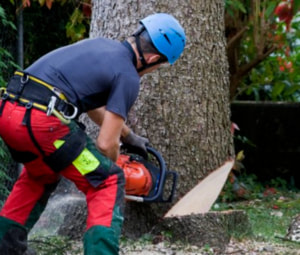
- Sectional dismantling where a tree can't be dropped whole - tight back gardens, trees close to sheds, fences, driveways or a neighbour's boundary
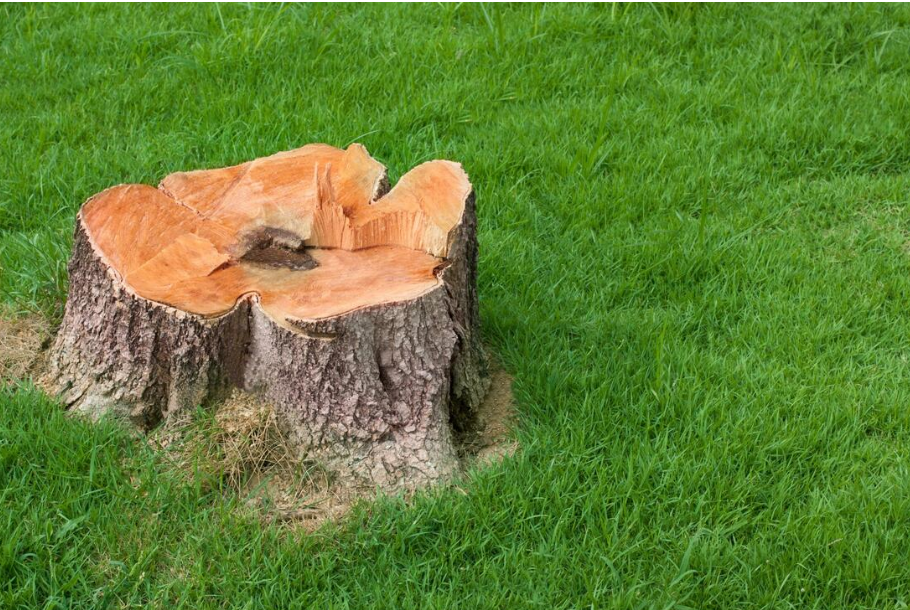
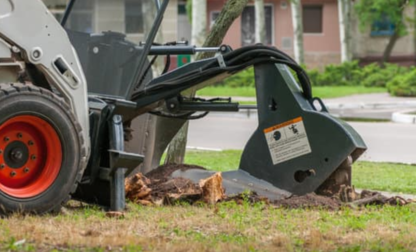
- Stump grinding down below turf level so the area can be reseeded or paved over
- Crown reduction, crown thinning and crown lifting to bring light back into a garden or clear a roofline
- Formative and routine maintenance pruning for younger or established trees
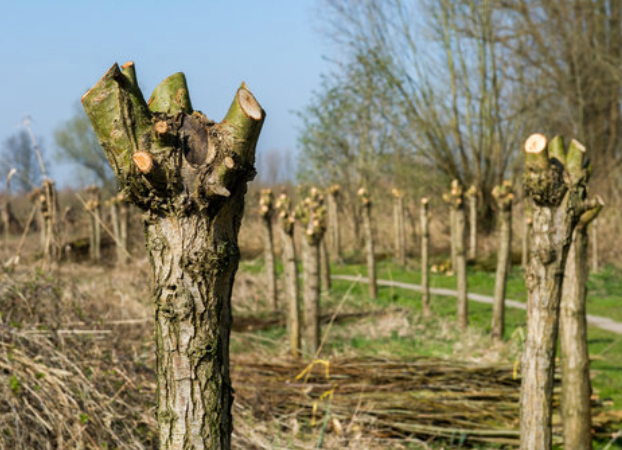
- Pollarding and coppicing where the species and site suit it
- Deadwood removal from mature trees where dead limbs pose a risk
- Hedge cutting and shaping, including overgrown boundary hedges
- Land, bush and scrub clearance, including larger ground clearance contracts for developers or housing associations
- Wood chipping on site and removal of timber and arisings
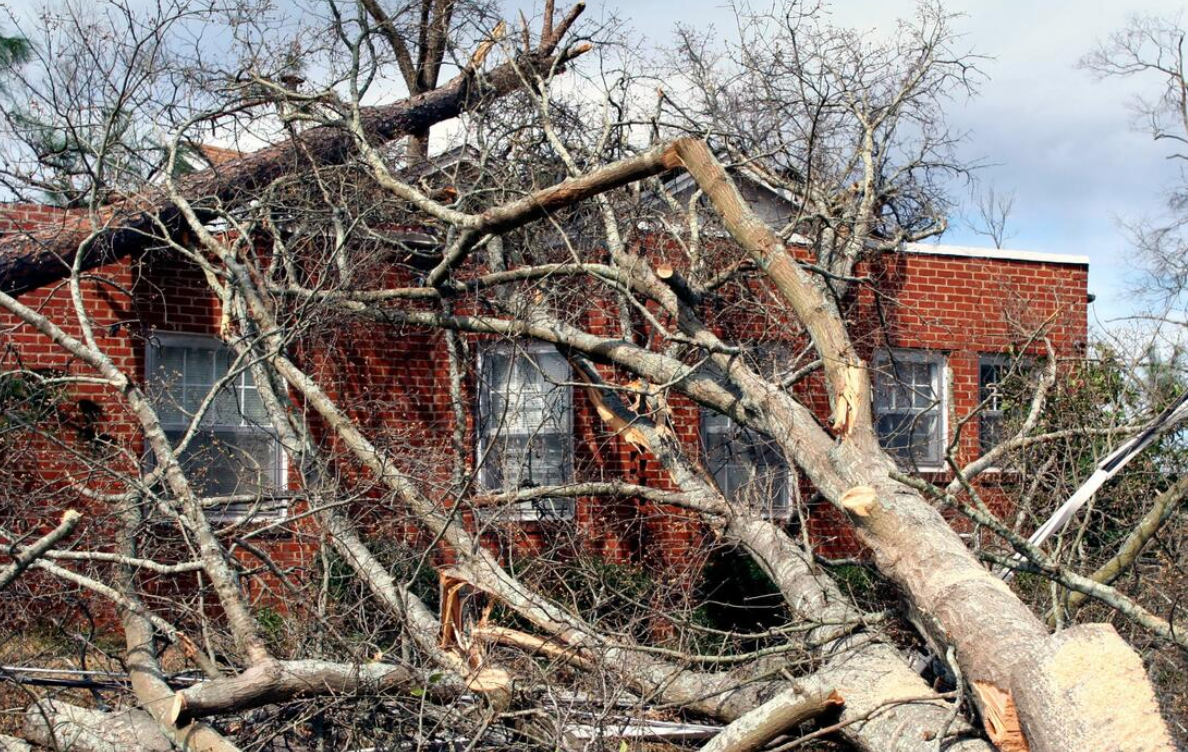
- Emergency callout work for windblown or storm-damaged trees
- Method statements and risk assessments for commercial and contract sites
Not Included / Costed Separately
- Work within touching distance of live overhead power lines - live-line cutting is still being trained up across the team, so where cables are energised the network operator needs to isolate or make the line safe before cutting starts
- Granting Tree Preservation Order or conservation area consent - that decision sits with North Lanarkshire Council, not with the tree surgeon; help preparing and submitting the application is part of the job, the consent itself isn't ours to give
- Turfing, reseeding or paving reinstatement after stump grinding - grinding the stump and surface roots out is included, making the ground good afterwards is usually a separate cost
- Keeping felled timber on site as firewood logs rather than chipping or removing it - this changes the clean-up cost, so say upfront if you want to keep the wood
- Structural or subsidence surveys - a tree surgeon can flag where roots look like they're affecting a wall or driveway, but a proper engineer's report on ground movement is a different specialism entirely
How a Callout Turns Into a Finished, Cleared Site
- Tell us what's growing here, and what it's growing on -- Call and describe what's wrong - a leaning tree, deadwood overhead, roots lifting a path, a hedge overdue a cut - and say if you already know the ground has a history: an old ironworks yard, a mineshaft, colliery spoil, or land close to the Monkland Canal. A photo or two speeds things up no end, especially for anything near a boundary or a building.
- A site visit that reads the ground as well as the tree -- Someone comes out to look at the tree itself - species, height, condition, root spread - and at the site around it: access down a side passage, proximity to overhead cables, slope, whether it sits in a conservation area or under a Tree Preservation Order that North Lanarkshire Council would need telling about, and whether the ground beneath it is former industrial or mine-worked land that changes how a root plate is likely to behave.
- One written, itemised quote - nothing verbal, nothing vague -- A price based on what was actually seen on site, broken down so it's clear what's included - felling, stump grinding, waste removal - and what would cost extra, like ground reinstatement or keeping logs for firewood.
- Felling or dismantling, then the site cleared on the same visit -- Depending on the tree, this means felling it in one piece where there's room, or taking it down section by section using rope and harness climbing or rigging gear to lower limbs past sheds, fences and neighbouring gardens, bringing in a telehandler, timber crane or stump grinder where the job needs it. Brash gets chipped on site and timber is removed once the cutting's done, unless you've asked to keep logs, with the stump ground out if that's part of the job.
- A walk-round, honest aftercare, and time for the ground to settle -- A walk round the finished site together to check it matches what was agreed, plus straight advice on what comes next - letting a ground-out stump area settle before reseeding, for instance, or when to expect regrowth after a pollard, especially on ground that doesn't behave quite like ordinary undisturbed soil.
Typical Pricing, and Why Your Quote Will Look Different
Based on UK-wide trade pricing data from surveys such as MyJobQuote, Checkatrade and MyBuilder, tree removal typically runs from around £150 for a small garden tree with easy access up to roughly £4,800 for a large, mature tree in a difficult position - the gap between those figures comes down to height, trunk diameter, how close it is to a building or overhead cable, and whether it has to be dismantled in sections rather than felled whole. Larger clearance or multi-day contracts are often priced on a day-rate basis, typically £180 to £250 per day for labour, which is the more sensible way to price a big ground clearance or several trees on one commercial site. Stump grinding is usually priced by stump diameter rather than as a flat fee. If you've got more than one tree that needs attention, doing them on the same visit is normally cheaper per tree than booking separate call-outs, because the access, setup and site safety work only has to happen once. None of these figures replace an actual quote - a fair price for your tree depends on what's actually on your site, which is why the number you get is always based on a visit, not a phone estimate.
Chainsaw Owner or Qualified Tree Surgeon? What the Certificates Actually Buy You
| What matters | Glasgow Trees | General gardener or handyman |
|---|---|---|
| Standard followed | Work carried out to British Standard BS3998 for tree work | No defined tree-work standard applied |
| Qualifications | NPTC/Lantra certificates covering chainsaw work, small and large tree felling, windblown trees, aerial rescue and rigging | Rarely holds tree-specific qualifications |
| Insurance | Fully insured tree surgeons | General liability cover may not extend to felling or climbing work |
| Large or storm-damaged trees | Trained in large tree felling, windblown trees and aerial rescue | Usually declined, or referred elsewhere |
| Site machinery | Access to stump grinder, wood chipper, telehandler, 360 excavator and timber crane as the job needs | Hand tools and a small chainsaw at most |
| Commercial paperwork | Method statements and risk assessments provided for contract and commercial sites | Not typically offered |
Certified for the Bigger, Trickier Trees Ironworks Ground Tends to Grow
Coatbridge's older gardens tend to carry bigger, more established trees than a lot of the newer estates nearby - the kind backing onto Drumpellier's mature woodland, or planted decades ago on ground that's since had ironworks or mine workings underneath it. Jobs like that lean on machinery certificates as much as chainsaw skill: a 360 excavator or timber crane earns its keep on a site where access is tight and the ground itself doesn't behave the way it would on undisturbed land, and that's exactly the kind of kit the team is trained to operate, alongside the rigging and dismantling skills needed to bring a tall tree down in sections rather than risk dropping it whole near a fence or shed.
Every job still meets the BS3998 standard and comes with the insurance that's been part of the business for close on two decades, but the certificate that does the most unusual work on ground like this is the NPTC Professional Tree Inspection qualification. Where a garden backs onto former mine workings and a tree's roots sit close to a wall or driveway that's started to move, a felling recommendation on its own doesn't answer much - what actually helps is a plain written account of the tree's own condition, kept separate from any judgement about the ground beneath it, so a structural engineer can read it alongside their own report rather than in place of one. That's the difference a proper inspection qualification makes on ground like Coatbridge's: it keeps the tree assessment and the ground assessment as two separate pieces of paper, each written by whoever is actually qualified to write it, instead of one person's guess trying to cover both jobs at once.
Drumpellier, Summerlee and the Ground Coatbridge Sits On
Coatbridge sits directly on the M8 corridor between Glasgow and the rest of Lanarkshire, and tree work here regularly touches gardens near Drumpellier Country Park, where the loch and surrounding mature woodland set the tone for a lot of the town's larger trees, and the Summerlee area, which still carries the marks of the ironworks and mining that gave Coatbridge its old nickname, the "Iron Burgh." That industrial history is genuinely relevant to root and ground work: parts of the town sit over former mine workings and made-up ground, so root plates and soil behave a little differently than on undisturbed ground, and where there's any sign of structural movement alongside root damage, that's a case for a structural engineer alongside the tree work, not instead of it. The Monkland Canal towpath running through the town is another feature worth flagging - trees along canal-side green corridors sometimes fall under additional protection, and where a job touches the towpath or canal-side land, checking with North Lanarkshire Council before cutting anything is part of doing it properly. Beyond Coatbridge itself, the same team covers the wider Lanarkshire, Renfrewshire and West Dunbartonshire area day to day.
Straight Answers for Coatbridge Tree Owners
How much does a tree surgeon cost in Coatbridge?
Based on UK trade pricing surveys, tree removal generally runs from around £150 for a small, easy-access garden tree up to roughly £4,800 for a large, mature tree in a difficult spot, with day-rate labour for bigger clearance jobs typically £180 to £250. The actual figure for your tree depends on height, access and how it needs to come down, which is why a quote always follows a site visit rather than a phone guess.
Do I need North Lanarkshire Council's permission to cut down a tree in my Coatbridge garden?
It depends on whether the tree is protected by a Tree Preservation Order or sits within a conservation area - North Lanarkshire Council handles those consents, not the tree surgeon. Checking this is part of a proper site visit, and if an application is needed, help preparing it is included; the council still makes the actual decision.
How fast can a tree surgeon respond to storm damage in Coatbridge?
Storm-damaged and dangerous trees get treated as priority work over routine pruning jobs, but a fixed response time isn't something worth promising over the phone before anyone's seen the tree or the current workload. Call, describe what's happened - is it blocking access, leaning on a structure, already partly down - and you'll get an honest answer on timing rather than a number picked to sound good.
What's involved in professional stump removal in Coatbridge?
Stump grinding uses a machine to grind the stump and the main surface roots down below turf level, usually priced by the stump's diameter. It doesn't include reinstating the ground afterwards - reseeding or paving over the ground-out area is normally a separate job once the area has settled.
Are Coatbridge tree surgeons qualified to use chainsaws and climbing equipment safely?
Yes - the team holds NPTC/Lantra certificates covering chainsaw maintenance and use, small and large tree felling, windblown trees, aerial rescue, and chainsaw work from rope and harness, alongside health and safety and first aid qualifications. That's the difference between someone trained to fell or dismantle a tree safely at height and someone working from a ladder with a domestic saw.
Can a tree surgeon deal with tree roots damaging a driveway in Coatbridge?
Root removal and management around a driveway is standard tree surgery work. Where a Coatbridge property sits on former mine workings or made-up ground, though, root and soil movement can behave differently than on stable ground, and if there's real structural movement alongside the root problem, a structural engineer's assessment is worth getting alongside the tree work rather than assuming the roots are the whole story.
How often should trees near Coatbridge properties be pruned?
It depends entirely on the species, age and position of the tree - a fast-growing species close to a building might need attention every year or two, while a slow-growing, well-placed tree might go five years or more between visits. A site visit is the honest way to answer this for a specific tree rather than giving a blanket figure that doesn't fit most gardens.
Is it cheaper to have several trees done at once in Coatbridge?
Usually, yes - access, site setup and safety exclusion zones only need arranging once, so multiple trees on the same visit tend to cost less per tree than booking them separately over several call-outs.
What should I ask for in a written quote from a Coatbridge tree surgeon?
Ask for it to state exactly what's included - felling or dismantling, stump grinding, waste and timber removal - and what isn't, such as ground reinstatement or keeping logs rather than having them chipped. A quote that's vague about what counts as extra work is the most common source of a nasty surprise on the invoice, so get that in writing before the job starts.
A Leaning Tree Doesn't Get Safer While You Wait
A leaning tree, exposed deadwood or a stump sitting where someone could trip over it doesn't get safer by being left through another storm season - it gets more dangerous and usually more expensive to sort out later. A quote costs nothing and comes with no obligation, so there's no real reason to put off getting one looked at properly.
Glasgow Trees
Call 0141-483-7485