Tree Surgeon in Hyndland's Conservation Area, Glasgow
- Free, no-obligation site visit before anything is booked
- All work carried out to British Standard BS3998, by a fully insured team
- Trading as Glasgow's tree surgery specialists since 2005
Hyndland sits inside one of the largest conservation areas in Scotland, and the boundary doesn't stop neatly at the edge of the neighbourhood — it runs on into parts of Dowanhill, Partickhill and Broomhill, so a tree that looks like it's in Hyndland proper can sometimes fall just outside the designated area, or a tree in a neighbouring street can fall just inside it. That matters because most of the mature trees here aren't standing in a front garden where anyone can eyeball them from the pavement — they're in the shared gardens behind the sandstone tenements, usually beech, sycamore or lime that went in when the tenements were built, sometimes well over a century ago.
Trading as Glasgow Trees since 2005, we deal with that combination of conservation status, shared-garden ownership and genuinely old, large trees as a normal week's work rather than a special case. Whether it's a limb that's come down over a shared washing line, a tree that's grown into next door's roof, or a hedge that needs cutting back before autumn, the site visit and quote are free, and they tell you exactly where you stand before anything gets booked.
What a Tree Surgery Job in Hyndland Covers
- Full tree removal and felling, including sectional dismantling where a rear garden or back court leaves no room to fell a tree whole
- Crown reduction, crown thinning and crown lifting on mature trees
- Deadwooding — taking out dead or hanging branches over paths, parking or a shared garden before they become a problem
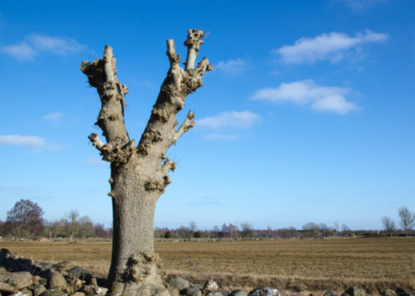
- Pollarding and coppicing where the species and site suit it
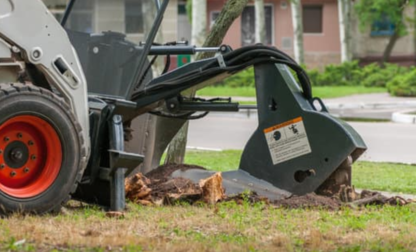
- Stump grinding once a tree is down
- Hedge cutting and trimming, including boundary hedges between tenement gardens
- Storm response and emergency callouts for wind-blown or storm-damaged trees
- Site and land clearance for larger gardens or grounds
- Wood chipping and removal of everything cut, so you're not left with a garden full of brash
- Method statements and risk assessments for factors and property managers handling shared-ownership grounds
- Submitting the conservation area notification to Glasgow City Council where the work needs it
Not Included / Costed Separately
- Stump grinding is normally quoted and charged as a separate line from the felling or removal itself
- A replacement tree, if you want one planted, is priced separately from removal work
- Skip hire or tip fees for very large volumes of cut timber can add to the cost of bigger clearance jobs
- Council notification for conservation area work carries a six-week statutory waiting period we can't shorten, whatever the rest of the schedule looks like
- Cutting back branches actually touching or tangled in live overhead cables needs coordination with the utility company, since that specific certification is still in progress for the team
- Cherry picker or crane hire for an exceptionally tall or awkward tree is priced as an add-on rather than built into a standard quote
How We Handle a Tree Job in Hyndland, Start to Finish
- Get in touch with what you can see -- A call or a message with a couple of photos — how close the tree is to the tenement, whether it's in a shared rear garden, and roughly its height — gives us a rough sense of the job before anyone comes out.
- Free site visit -- We look at the tree itself (species, condition, any dead or hanging wood, whether it's leaning) and the access: how equipment gets in through the close or lane, what's within falling distance, and whether the tree sits inside the conservation area boundary, which isn't always obvious from the street.
- Written quote, including any notification needed -- You get an itemised quote — stump grinding, waste removal and any plant hire shown as separate lines where they apply — plus a straight answer on whether the work needs the six-week council notice and how that affects your timescale. Nothing extra gets added without being talked through first.
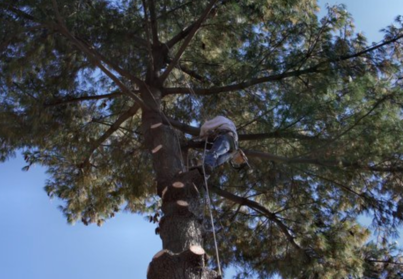
- The work itself -- On the day, the tree comes down or gets reduced to BS3998 practice. Where there's a rear garden, wall, drain or neighbour's property close by, that usually means lowering sections by rope rather than felling the whole tree at once, using rope-and-harness climbing or aerial platform access as the site calls for.
- Clean-up and sign-off -- Everything cut gets chipped or taken off site, the garden's left tidy, and if it's a shared, factored garden we'll confirm the job's finished with whoever needs to sign it off — you directly, or the property management company.
What It Costs to Get a Tree Sorted in Hyndland
Tree surgery prices across Scotland generally range from about £200 for a small prune or hedge trim up to £3,000 or more for a large, awkward removal, based on current MyBuilder and Checkatrade pricing guides. A full removal most often lands between £1,190 and £1,720 depending on size, species and how the timber has to come down, while pruning or crown work on one mature tree tends to run £420 to £600. Stump grinding is usually a separate line rather than folded into a felling price, partly because it needs a different machine and a second visit is sometimes more practical than keeping the grinder standing by. Jobs in Hyndland tend to land toward the top of these brackets more often than in a more open suburb — not because the trees themselves are unusual, but because a mature beech or sycamore in a rear tenement garden usually has to come down in sections, lowered past greenhouse glass, washing lines, garden walls and sometimes a factor's drainage cover, which adds time even when it's planned well. None of that replaces an actual number for your tree: the only honest way to price a job is to see the tree, the access and what surrounds it, and that site visit costs nothing.
Choosing Who Does the Work in a Conservation Area
| What it comes down to | Glasgow Trees | An unqualified or general operator |
|---|---|---|
| Working next to tenements and shared gardens | Fully insured, which matters when a stem is coming down a few feet from a bay window or a shared drainage run | Cover may not extend to damage caused to a neighbour's property |
| Council notification in a conservation area | Built into the quote, with the six-week window factored into your timescale from the start | Often overlooked, which risks enforcement action or a job left half-finished |
| Standard the work is done to | British Standard BS3998 tree work practice | No fixed standard, so the outcome depends entirely on who shows up |
| Tight rear gardens and back courts | Trained in rigging, dismantling and rope-and-harness climbing for gardens where a tree can't be dropped whole | Tends to rely on felling in one go, which isn't always safe or possible in a small space |
| Bigger jobs needing plant | Stump grinder, wood chipper, telehandler and other machinery brought in as the job needs | Limited to hand tools, so larger stump removal or clearance often can't be finished properly |
Why Hyndland's Older Trees Need More Than a Quick Prune
Two questions decide how a Hyndland job actually runs, and neither one is about the tree's species or height: does it sit inside the conservation boundary once that line is traced properly through Dowanhill, Partickhill and Broomhill, and who among the flats sharing that back green has to agree before a chainsaw comes out. Getting those wrong costs more than getting the cut wrong — a missed notification can mean enforcement action, and a job started without every affected household or the factor on board can mean redoing the conversation halfway through. That's the groundwork before any climbing gear is unpacked, and it's why the certificates behind the crew matter as much as the saw itself. NPTC and Lantra tickets cover health and safety, first aid, small and large tree felling, wind-blown trees, aerial rescue, chainsaw-from-rope-and-harness climbing, and rigging and dismantling, alongside machinery certification spanning stump grinders, wood chippers, a timber crane, forestry tractor and trailer, line skidder, 360 excavator, flail and telehandler — the kind of plant a bigger clearance or a tricky access job actually needs rather than makes do without. NPTC Professional Tree Inspection training sits behind that, used for reading what state an old beech or sycamore is genuinely in rather than eyeballing it from the close. None of this is a recent addition: the business has traded as Glasgow Trees since 2005, work goes out to British Standard BS3998 as standard practice rather than an upsell, and the team carries full insurance throughout. A rear-garden removal rigged past a bay window and a shared drying green needs that rope-and-harness grounding specifically, in a way a job in an open front garden never would. Quotes cost nothing and carry no obligation to book, and the company's registered office is Clyde Offices, 48 West George Street, Glasgow.
Hyndland and the Ground We Cover Around It
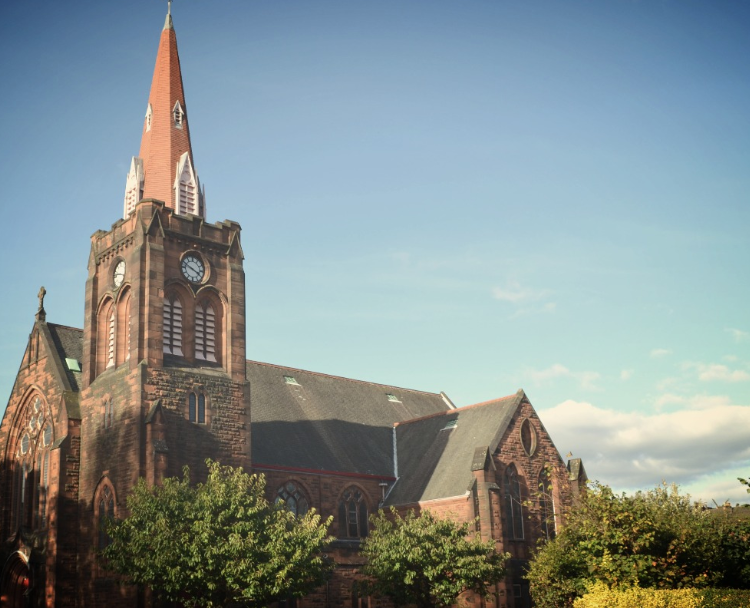
Hyndland generates a good number of our West End enquiries, and it has a distinct character for tree work: built almost entirely from red and blonde sandstone tenements dating from the late Victorian and Edwardian period, laid out around Hyndland Road, Novar Drive, Airlie Street and the streets running down toward Hyndland railway station. Most of the mature trees stand in the shared gardens behind the closes rather than out front — commonly beech, sycamore, lime and the odd larger conifer that's been there since the tenements went up. Taking a tree down in sections by rope, or reducing its crown, without marking a neighbour's fence, a shared drying green or old drainage, needs a way of working suited to a tight space rather than just a bigger saw. The conservation area itself extends beyond Hyndland into parts of neighbouring Dowanhill, Partickhill and Broomhill, so a tree that looks like it's in Hyndland can sometimes sit just inside or outside the actual boundary — that's exactly the kind of thing we confirm at the site visit rather than guess at over the phone. Further out, Kelvindale and the approach to the Botanic Gardens carry a similar mix of mature street and garden trees, and we cover those alongside the wider pattern of work across Glasgow City and the neighbouring council areas along the M8 and A82 corridors, from Partick and the West End through to Renfrewshire, East Dunbartonshire and beyond.
What Hyndland Customers Ask Before Booking
Does my tree definitely fall inside the Hyndland conservation area?
Not necessarily, even if it's on a street most people would call Hyndland. The conservation area boundary runs on into parts of Dowanhill, Partickhill and Broomhill, and a tree just off a boundary street can sit on either side of the line. Glasgow City Council can confirm this, or we check it as part of the free site visit rather than assume either way.
Do I need permission from the council before a tree comes down?
In most cases, yes. Trees above a certain size inside the conservation area need six weeks' written notice to Glasgow City Council before work goes ahead, even without an individual Tree Preservation Order on that specific tree. A dead, dying or dangerous tree can sometimes move faster under an exemption, but that's the council's call, not something to assume going in. We handle the submission as part of the quote.
How much does a tree job like this actually cost?
Most domestic jobs sit somewhere between £200 for a straightforward prune and £3,000 for a large or awkward removal, with a typical full removal around £1,190 to £1,720 and pruning or crown work around £420 to £600. Hyndland jobs often land toward the higher end because of rear-garden access rather than anything unusual about the tree itself, but a real number needs us to see it in person, which costs nothing.
My back garden is shared with the other flats in the close — who actually needs to agree to the work?
Shared gardens usually mean shared ownership, so it's worth checking with your factor or the other owners before booking, since more than one household may need to sign off, and the factor may want to see the quote first. From our side, the job runs the same way regardless — site visit, written quote, council notification if it applies, then the work itself.
Why are there so many large beech and sycamore trees in Hyndland gardens?
Most went in when the tenements were built, in the late Victorian and Edwardian period, so a lot of them are well over a century old and have grown to match — part of why rear-garden removals here tend to be bigger, more involved jobs than a young garden tree elsewhere. Size and age also affect how a tree has to come down: an older beech with a wide crown is far more likely to need sectional rigging than felling in one go.
How fast can you get out if a tree comes down or a branch is hanging after a storm?
Wind-blown and storm-damaged trees are something the team specifically trains for, including aerial rescue and dealing with a tree that's partly down or hung up on another tree or a structure. How quickly we get to you depends on how many calls are coming in during a given storm and how dangerous the tree actually is — a branch hanging over a path gets triaged differently from one already down and clear of people. Call and describe what you're looking at and we'll give you a straight answer on where that puts you.
What happens to the wood, and can you help with replanting afterwards?
Cut timber is chipped or removed as part of the job, so you're not left clearing a garden full of brash yourself. On replanting, it's worth asking before the stump's even out of the ground: inside a conservation area, the council can have views on species when a mature tree is replaced, generally favouring trees in keeping with the existing streetscape. We work with everything from native Scots pine to more unusual specimens like monkey puzzle, so we can talk through what suits the site and the soil.
Are you insured and qualified for work this close to other people's property?
Yes — the team is fully insured, which matters when a stem is coming down a few feet from a bay window, a shared wall or a neighbour's conservatory. Everyone works to British Standard BS3998, and the team holds NPTC and Lantra certificates across felling, aerial rescue, rope-and-harness climbing, rigging and machinery operation, plus NPTC Professional Tree Inspection. If a job needs something outside current capability — cutting back branches actually touching live overhead cables, for instance, which is training still in progress — we'll say so rather than take it on anyway.
Get a Straight Answer Before Anything's Booked
Storm-damaged branches and leaning trees don't wait for a convenient week, and conservation area paperwork takes longer to sort out after the event than before it. If there's a tree in a Hyndland garden that needs a look — routine crown work before autumn, a dead limb over a shared rear garden, or storm damage from the last gale — get in touch for a free, no-obligation site visit. We'll say plainly whether it needs council notification, roughly what it will cost, and how soon we can get it done, with no pressure to book on the spot.
Glasgow Trees
Call 0141-483-7485