
Tree Surgeon West End, Glasgow
- Free, no-obligation quotes with a site visit before any figure is confirmed
- Team trained in rope and harness access, rigging and aerial rescue - built for tight tenement back courts, not just open driveways
- NPTC Professional Tree Inspection qualification on hand where a tree sits inside a TPO or conservation area and needs a proper report
Ask around Hyndland, Dowanhill or Broomhill and most people will tell you the same thing about getting tree work done: the tree itself is rarely the hard part, the access is. A tenement back court with a shared drying green, a wall separating you from three neighbours, or a front garden barely wider than the bay window - these are the normal working conditions for a tree surgeon in the West End of Glasgow, not the exception. Glasgow Trees has been dealing with exactly that layout since 2005, working to British Standard BS3998 on everything from a leaning sycamore in a back court to a mature beech overhanging a street in a conservation area.
This page sets out what a tree surgeon job in the West End actually involves - what's covered, what tends to cost extra, how a job runs from the first phone call to the clear-up, and the questions that come up most often from Hyndland to Kelvinside. Quotes are free and no-obligation, and a site visit costs nothing, whether the job is a single hedge trim or a full removal that needs rope access through a close.
Removals, Reductions, Rigging and Everything Between
- Full and partial tree removal, including back-garden specimens with no vehicle access at all
- Crown reduction, crown thinning and crown lifting - reducing weight, wind-sail and shading without taking the whole tree
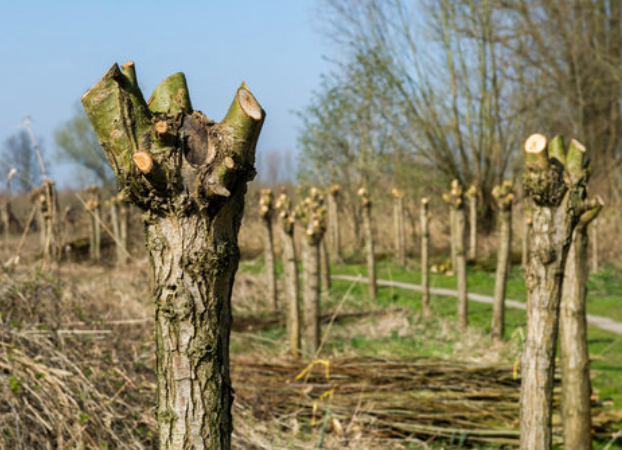
- Formative and maintenance pruning, deadwooding and pollarding
- Hedge cutting and trimming along garden and boundary lines
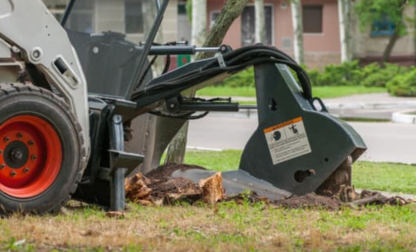
- Stump grinding and stump removal
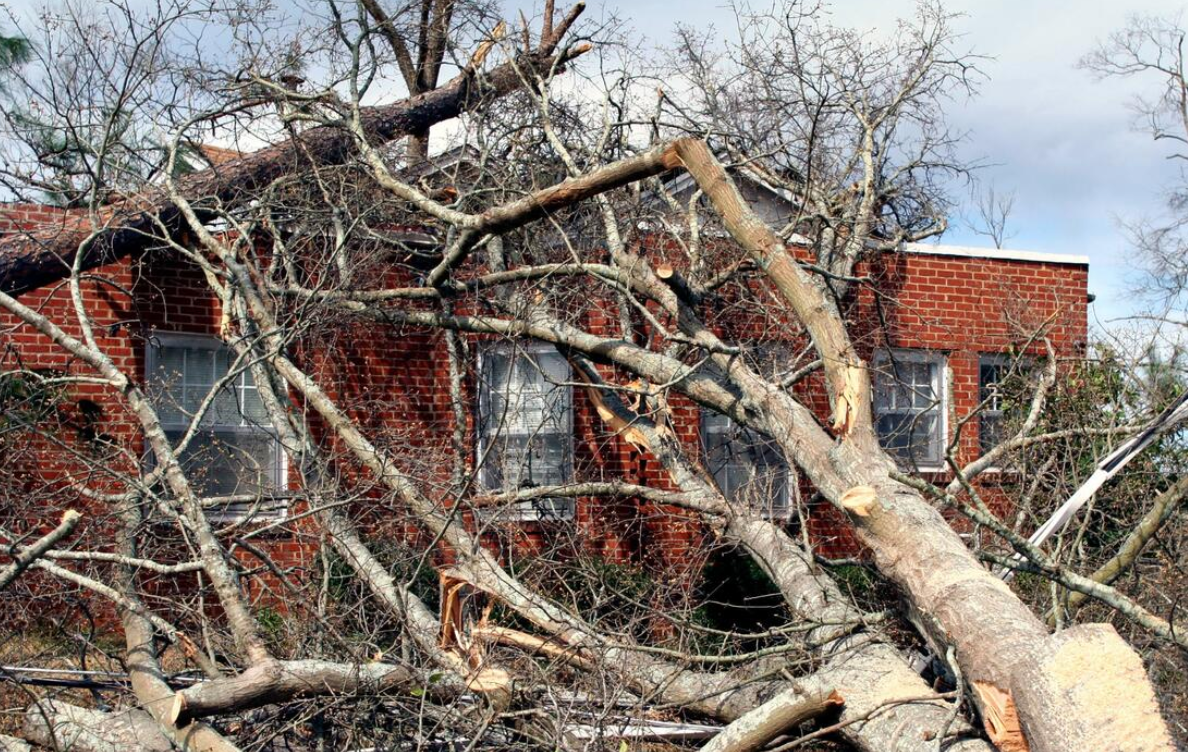
- Storm and wind-blow emergency callouts, including making a damaged or leaning tree safe
- Site and land clearance for small plots, back gardens and development sites
- Wood chipping and removal of the cut branches and timber (arisings) from site
- Tree health and condition inspections, with written reports to support a council TPO or conservation area application
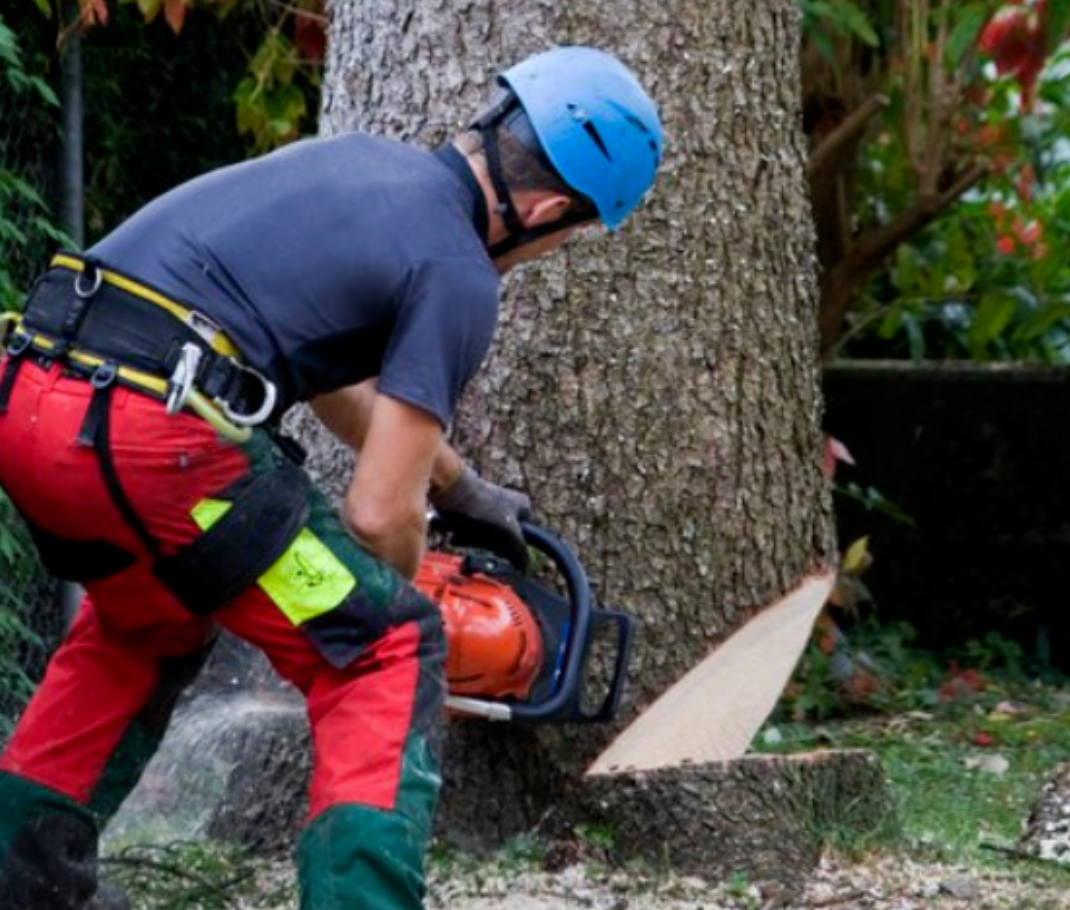
- Rigging and sectional dismantling for confined tenement plots, using rope and harness access where a crane or cherry picker simply can't get in
- Commercial and grounds-maintenance contracts for property factors, housing associations and management companies covering West End tenement blocks
Not Included / Costed Separately
- Stump removal isn't automatically bundled into a felling quote - grinding down further than the standard depth, for re-turfing or a patio, is usually priced separately
- Taking away large volumes of timber or chippings costs extra if there's no room to chip on site and a skip or grab lorry has to be booked
- Getting TPO or conservation area consent is the council's process, not ours - we supply the inspection report and method statement, but the decision and the waiting time (often around six weeks) sit with the planning department
- A mobile crane or cherry picker, where a tree can't be rigged down by hand safely, is quoted for once we've seen the access in person
- New planting, replacement trees and aftercare aren't included in a removal or pruning quote unless you ask for them separately
- A tree in council-owned ground - a street tree or one inside a public park - needs instruction from the council, not just agreement from the neighbouring homeowner
The Four Things That Actually Decide a West End Job
- What we need to hear on the phone -- An address and a rough description of the tree get us most of the way to knowing whether a job is straightforward or needs rope access from day one - a semi-detached garden in Broomhill reads differently to a back court behind a Hyndland tenement before anyone's even seen it in person.
- Seeing the access, not just the tree -- A free site visit covers species, height, condition and root plate the way any tree assessment would, but the real work here is reading the route timber has to travel - through a close, over a wall, down a lane - and checking whether the address falls inside a TPO or conservation area boundary, since that changes the timeline more than the tree itself does.
- A quote that names its own limits -- The written figure covers the tree work and arisings removal, and says plainly if council consent has to be lodged first, because a six-week wait on a decision is a scheduling fact rather than small print to bury. Where consent's needed, we hold a provisional date and manage the paperwork; where it isn't, we book straight in and give shared back courts fair notice.
- The work, then a bill that matches the quote -- Climbers rig sections down by rope through whatever gap a back court allows, or bring a crane or cherry picker in where the street's wide enough; ground crew chip and clear as the job goes rather than leaving a mess for the end. The stump gets ground if that's part of it, the site's swept, and the final invoice reflects the original figure - or anything genuinely agreed on site, nothing sprung on you afterward.
What Access in This Part of Town Does to the Price
As a rough guide, removing a medium-sized tree typically runs from around £1,190 to £1,720, hedge cutting is usually priced by the hour at somewhere between £30 and £70, and stump grinding sits anywhere from about £85 to £300 depending on stump diameter and root spread. Those figures come from general UK tree-care cost surveys, not a fixed West End rate card, and the West End has its own variables that push a job up or down that range: a back court with no vehicle access adds rigging time that an open driveway job doesn't need; a tree inside a conservation area might need a report written before a figure can even be finalised; and disposal costs more if chippings can't be blown straight into a truck from a front garden. None of that can be priced accurately over the phone, which is why every quote starts with a free site visit rather than an estimate based on a description alone.
Four West End jobs that get handled four different ways
| Typical West End job | Access challenge | How the job's approached | What mainly drives the price |
|---|---|---|---|
| Tenement back-court removal (Hyndland, Dowanhill, Broomhill) | No vehicle access; shared drying green; timber has to come out through a close or over a wall | Full rigging and rope work, sections lowered by hand and carried or barrowed out rather than dropped or driven away | Extra rigging and manual handling time, plus coordinating with neighbours who share the court |
| Detached or semi-detached villa garden (Kelvinside, parts of Broomhill) | Reasonable garden access, room for a chipper on site | Standard climb-and-rig, arisings chipped and removed directly | Tree size and species; generally quicker than a back-court equivalent |
| Street tree or boundary tree overhanging a pavement | Council-adopted road, pedestrians and traffic nearby | Traffic or pedestrian management, permission check with the roads department before work starts | Council notification and, occasionally, a road/pavement permit cost on top of the tree work |
| Tree inside a conservation area or beside a listed tenement | TPO and/or conservation area consent likely required | Inspection report and method statement submitted to the council, typically a six-week notice period before work can proceed | The waiting time rather than the tools - the tree work itself is usually priced as normal once consent's through |
When a Crane Can't Get Past the Close
Glasgow Trees has traded since 2005, and every job here still measures against British Standard BS3998 whether the tree stands in an open garden or a tenement back court three walls deep. Insurance covers the work regardless, but in the West End the certificates that get used week to week are a specific subset: chainsaw work from rope and harness, aerial rescue, and rigging and dismantling, because a mature lime hemmed in by sandstone walls doesn't come down as one piece dropped onto open ground - it gets taken apart in sections, lowered by rope, and carried out through whatever gap the property actually has. Those sit alongside the wider NPTC and Lantra spread the team holds: large and small tree felling, windblown and storm-damaged trees, health and safety, first aid, and machinery tickets for the stump grinder, wood chipper and timber crane used on bigger contracts elsewhere in the city. One qualification matters more here than almost anywhere else the team works: NPTC Professional Tree Inspection, because so much of Hyndland, Dowanhill and Partickhill sits inside a conservation area or carries individual Tree Preservation Orders, and a council officer reading a report wants a documented assessment, not a verbal opinion given over a garden wall. The registered office is Clyde Offices, 48 West George Street, in the city centre the business has worked out from since 2005.
Why West End work is planned as one route, not six separate jobs
The West End isn't really six separate patches for scheduling purposes - Hyndland, Dowanhill, Partickhill, Kelvinside, Broomhill and the streets off Byres Road and Great Western Road all sit close enough together that a crew often works two or three of them in the same day. That changes the logistics more than the tree work itself: a parking suspension arranged for one close can sometimes cover a neighbouring street's job on the same visit, a single skip or grab lorry booking can serve gardens a few streets apart rather than each needing its own, and a factor managing several nearby tenement blocks can have more than one job assessed in a single site visit instead of four separate call-outs. After a storm, that same closeness means a cluster of streets gets checked in sequence rather than one address at a time, which usually gets a dangerous tree made safe faster than if each report came in as an isolated job. Conservation area and TPO protection varies street by street across this patch, and where it applies gets confirmed on site rather than assumed - Hyndland, Dowanhill, Partickhill and Kelvinside each have their own particular protections worth checking, and every visit accounts for whichever ones sit on that specific address. Beyond the West End itself, the same team covers the rest of Glasgow and the wider central belt, including Renfrew, Clydebank, Paisley, Johnstone, Dumbarton, Greenock, Pollokshaws, Rutherglen, Cambuslang, Giffnock, Clarkston, Baillieston, Barrhead, Newton Mearns, Bothwell, Blantyre, East Kilbride, Hamilton, Bishopbriggs, Bearsden, Milngavie, Kirkintilloch, Strathblane, Killearn, Balfron, Fintry, Bo'ness and Stirling.
Straight answers to what West End customers ask before booking
How much does tree surgery cost in Glasgow's West End?
General UK guide prices put medium tree removal at roughly £1,190 to £1,720, hedge cutting at £30 to £70 an hour, and stump grinding from about £85 to £300. West End jobs often sit toward the higher end of those ranges because of back-court access and, sometimes, conservation area paperwork - a site visit is the only way to get a figure you can actually rely on.
Do West End conservation areas need permission before you prune or remove a tree?
Often yes, but it depends on which protection applies and to which street - conservation area status and individual Tree Preservation Orders don't follow the same boundaries, so the same rule doesn't automatically apply to every garden nearby. It's genuinely possible for both to apply to the same tree at once, which means two separate checks rather than one - we check both at the site visit and, where needed, handle the notice.
Can you get a team and equipment into a tight tenement back garden?
Yes - that's a large part of what West End work involves. Climbers use rope and harness access to work sections down by hand rather than relying on a crane, and timber gets carried or barrowed out through the close or over a wall where there's no other way out. It takes longer than a driveway job with a wood chipper parked next to the tree, and the quote reflects that extra time rather than pretending the access doesn't matter.
What's a fair price for hedge trimming along a West End garden boundary?
Hedge cutting is usually charged by the hour, typically £30 to £70, with the total depending on hedge length, height and how overgrown it's become - a hedge that hasn't been touched in a few years takes longer than one on a regular yearly cut. Shared boundary hedges in tenement back courts sometimes need a quick word with the neighbour first, which we're happy to help coordinate.
How fast can you get to storm damage or a wind-blown tree?
Storm and wind-blow work is treated as an emergency callout rather than booked into the normal diary, and the team's trained specifically in windblown tree work and aerial rescue for exactly this kind of job. Response time depends on how many calls are coming in during a given storm, but a dangerous or blocking tree is always prioritised over routine pruning - and where several nearby streets are affected at once, they're often worked through in the same run rather than one at a time.
Are your tree surgeons qualified to work near listed sandstone tenements?
The team holds NPTC and Lantra certificates covering rigging and dismantling, chainsaw from rope and harness, and aerial rescue - the specific skills needed to bring a tree down in sections next to a listed building rather than felling it in one piece. Listed building status affects the building itself rather than the tree, but the same close proximity that makes a building sensitive also makes controlled, sectional dismantling the only sensible method.
Do I need a permit to remove a tree that overhangs a West End street?
If the tree itself stands on private ground but the branches overhang a public pavement, the tree work is usually a private matter, though cutting near a live carriageway can require notifying the council's roads department for traffic or pedestrian safety. If the tree is actually rooted in council land - a street tree or one in a public park - the council owns the decision, and a private neighbour can't authorise the work themselves.
What should I expect to pay for stump removal in a West End garden?
Stump grinding generally falls between £85 and £300, driven mainly by stump diameter and how far the roots have spread, plus how deep you need it ground - shallow grinding for a lawn costs less than grinding deep enough to re-turf or lay a patio over the spot. Access matters here too: a stump in a back court sometimes needs a smaller grinder brought in by hand rather than the standard machine.
For a big tree in a dense tenement layout, do you use rigging or a crane, and does a tree near the University of Glasgow need separate permission?
Where there's genuinely no way to get a crane or cherry picker into a back court, rigging and rope-and-harness dismantling is the only realistic option, and it's what the team's certified for. Where a street does allow vehicle access, a crane can be faster and sometimes safer for a very large or awkward specimen, so the site visit decides which applies rather than defaulting to one method. Trees on ground owned by the University of Glasgow or another institution sit under that owner's arboricultural instruction rather than the council's, on top of any TPO or conservation area rules that still apply to the site - so it's worth checking both before assuming a private homeowner's consent covers a boundary tree that's actually on university ground.
Book the free site visit before the next storm or notice period
A leaning tree in a tenement back court or a hedge blocking light doesn't tend to improve on its own, and if a conservation area notice period applies, starting that clock sooner rather than later is the only way to avoid a longer wait once you've decided to go ahead. Get in touch for a free, no-obligation site visit and a written quote that accounts for your actual access, not a generic estimate.
Glasgow Trees
Call 0141-483-7485