Glasgow's Tree Pruning Specialists Since 2005
Domestic Tree Pruning Glasgow
✓ Trading since 2005✓ BS3998 standard✓ Fully insured✓ Free quotes
Trading Since 2005
BS3998 Standard
Fully Insured
Free, No-Obligation Quotes
Introduction
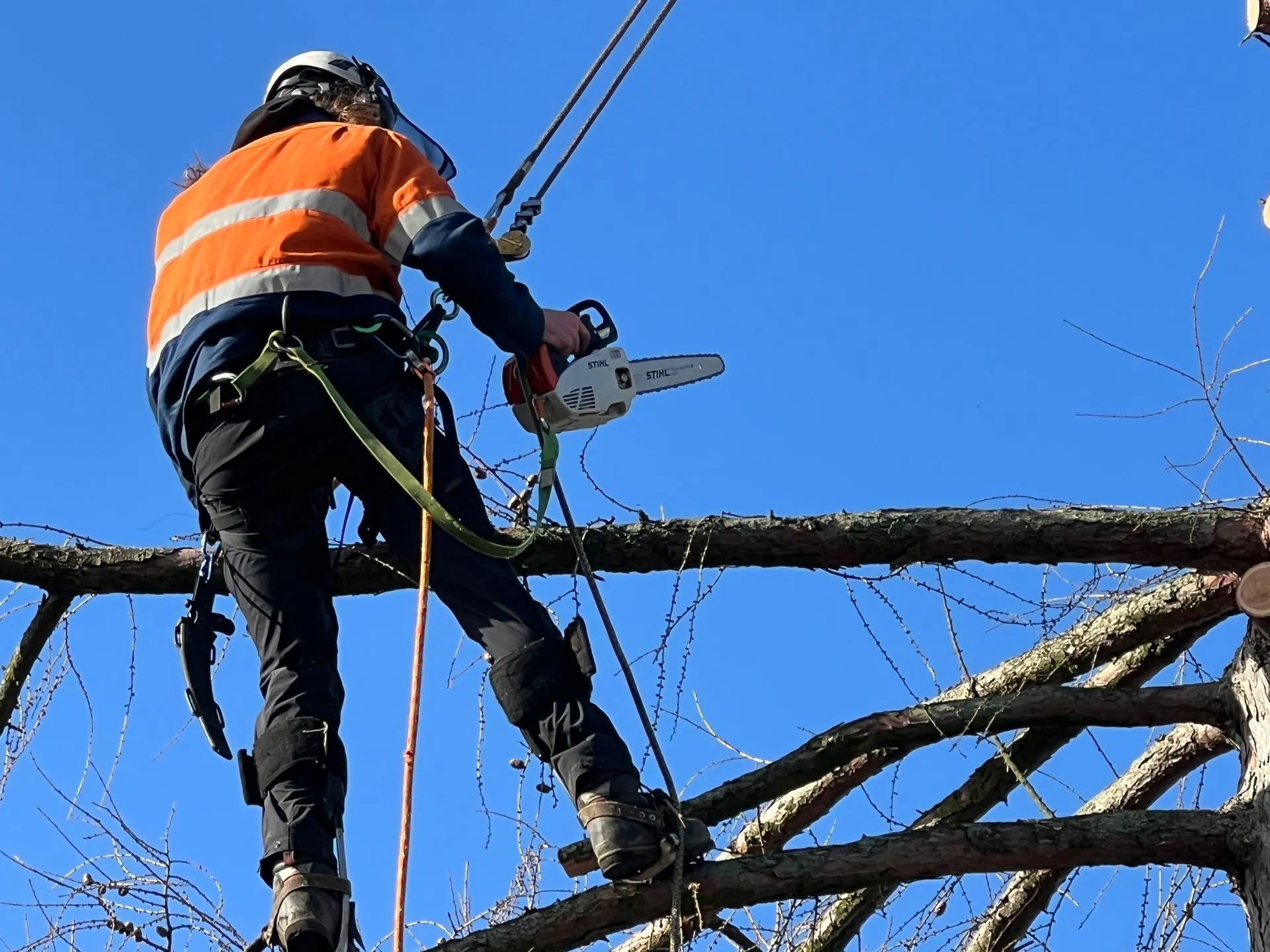
If a garden tree has grown too large for its spot, is shading a neighbour's plot, or has come through a storm with damaged limbs, targeted pruning is usually the right call rather than taking the whole tree down. Glasgow Trees prunes garden trees across Glasgow and the surrounding council areas to BS3998, the British Standard covering professional tree work, so cuts are made in the right place for the species rather than on a fixed, one-size-fits-all schedule.
Pruning isn't always the answer, though. If a tree is dead, dangerously unstable, or simply in the way of a new extension or driveway, our tree removal team can advise instead, and if what actually needs attention is an overgrown hedge rather than a specimen tree, that's covered separately through our hedge cutting service.
Key Selling Points
- NPTC Professional Tree Inspection qualified team
- All pruning work carried out to BS3998
- Free, no-obligation quotes
What's Actually Included in a Garden Tree Pruning Visit
- Crown thinning to let light and air through a dense canopy
- Crown reduction to bring an oversized tree back to a manageable size
- Removal of dead, diseased or crossing branches (deadwood removal)
- Structural/formative pruning for young or misshapen trees
- Assessment and removal of hazardous broken limbs after storm damage
- Species-appropriate timing advice given as part of the visit
- A free check for Tree Preservation Order (TPO) or conservation area status before any cutting starts
- Removal of all cut branches and brash, with the site left tidy
Not Included / Costed Separately
- Felling or complete removal of a tree is a separate job, not a pruning one - see our tree removal service
- Stump grinding after a tree comes down is priced and booked separately
- Formal hedge cutting or hedge flailing is quoted as its own service, not bundled into a pruning visit
- We check TPO and conservation area status as standard, but the formal consent decision itself sits with the local council and can add time to a project on protected trees
- Very tall or hard-to-reach trees needing a cherry picker or crane are quoted once site access has been seen, rather than included in a standard visit price
- Ivy or climbing plant removal from the trunk or canopy isn't automatically included unless it's agreed at the time of quoting
How a Pruning Visit Runs, Start to Finish
- Enquiry and initial details: You get in touch with a rough description of the tree, its size, and what's prompting the work - overgrowth, shading, storm damage or general tidy-up.
- Site visit and assessment: We look at the tree in person, check TPO and conservation area status, and decide whether crown thinning, reduction, deadwood removal or a mix of these is the right approach.
- Free quote: You get a no-obligation price based on what the tree actually needs, including access requirements if the tree is tall or awkward to reach.
- The pruning work: Cuts are made to BS3998, matched to the species and time of year, using the right rigging or aerial access for the tree in question.
- Clean-up and completion: All brash and cut branches are removed and the garden is left tidy, unless you've asked to keep logs for firewood.
What Garden Tree Pruning Tends to Cost
Pruning prices vary with the size and species of the tree, how much crown reduction or thinning is needed, and how easily it can be accessed - a small garden tree reachable from the ground costs less to prune than a tall specimen needing rope access or a cherry picker. A full, accurate price needs a site visit, since photos alone rarely show the true height, lean, or access constraints involved. Quotes are free and no-obligation, so there's no cost to finding out where a particular tree sits.
Professional Pruning Compared With DIY or General Garden Maintenance
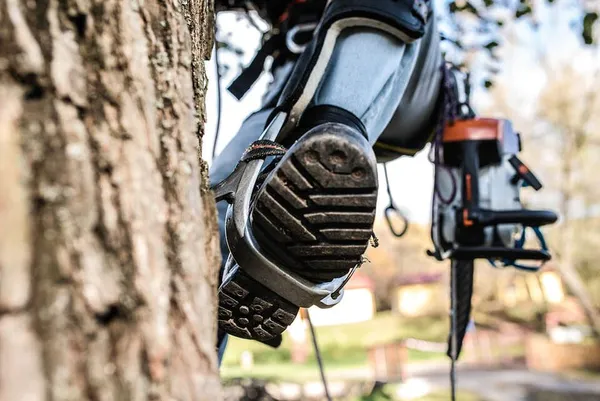
| Approach | Insurance & standards | Equipment & access | TPO/legal checks | Likely outcome |
|---|---|---|---|---|
| DIY / ladder pruning | No public liability cover if something goes wrong | Hand tools or a pole saw only, no rigging or elevated access | Rarely checked, risking penalties on a protected tree | Higher chance of poor cuts, dieback, or a fall injury |
| General gardener or handyman | Not usually insured or trained specifically for tree work | Limited to basic hand tools | TPO or conservation status not usually checked | Can under- or over-prune, sometimes worsening shape or long-term health |
| Glasgow Trees (NPTC/Lantra certified) | Fully insured, all work carried out to BS3998 | Team certified across chainsaw, rigging, aerial and machinery work, so the right kit is used for the job | Free TPO and conservation area check included before work starts | Cuts matched to species and the tree's long-term health |
Knowing How Much to Cut, and How Much to Leave
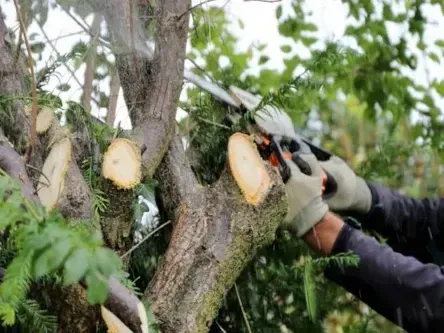
Pruning is a judgement call every time out - the right cut depends on the species, the time of year, and what's actually going on inside the tree, not a fixed formula applied the same way to every job. Take too much crown off a mature tree in one visit and it can respond with a flush of weak, fast-growing regrowth that needs cutting back again within a couple of years; take too little off a storm-damaged limb and a hidden crack or pocket of decay can fail later on regardless.
Species matter too: some trees bleed heavily if cut at the wrong time of year, while others are more prone to disease taking hold through a fresh pruning wound depending on when and where the cut is made. That's the kind of reasoning the NPTC Professional Tree Inspection qualification is built around - not just spotting a problem tree, but reading how a particular tree is likely to respond to a cut before making it, then choosing thinning, reduction, or leaving a branch alone accordingly. On a routine garden visit, that shows up in small decisions rather than big ones: telling a homeowner that a lopsided crown genuinely doesn't need fixing, or that a branch they've been worried about is sound and better left alone than removed for the sake of it.
Areas We Cover for Garden Tree Pruning
Glasgow Trees prunes garden trees across Glasgow and the surrounding council areas, from established gardens in the West End and Southside to newer estates further out. Coverage extends along the M8, M74, M77 and M80 corridors into East Dunbartonshire, West Dunbartonshire, Renfrewshire, East Renfrewshire, Inverclyde, South Lanarkshire, Stirling and Falkirk. Glasgow's tree canopy cover sits at around 15%, above the UK urban average of 10%, so mature garden trees are a common feature even in tighter urban plots - species range from native Scots pine to more exotic specimens like monkey puzzle trees, each with its own pruning requirements.
Frequently Asked Questions
What if a neighbour's tree overhangs into my garden, or mine overhangs next door?
You generally have the right to cut back branches or roots that cross your boundary, back to the boundary line - though the cut material technically still belongs to the tree's owner and can't simply be kept or disposed of as yours. Problems usually come up when the tree is covered by a TPO or sits in a conservation area, when it's genuinely on your neighbour's side and you'd need access permission to work on it safely, or when the branches are too high or heavy to bring down without proper equipment. We check protection status as standard and can advise on the safest way to bring overhanging growth back to the boundary without leaving an unbalanced canopy on either side.
What happens to the branches and wood after pruning?
As standard, all brash and cut branches are removed from site and the garden is left tidy - that's included in the price, not charged as an extra. If you'd like to keep larger logs for firewood, just mention it when booking and we'll leave them stacked rather than taking them away. Smaller branches are usually chipped or removed rather than left, since a pile of cut brash on a lawn causes more problems than it solves.
Can pruning be combined with other tree work, like stump grinding or hedge cutting, in one visit?
Often, yes. If a pruning visit turns up a tree that's better removed than reduced, or you've also got hedges that need cutting back, it's usually more efficient to have the same team quote for everything together rather than book separate visits. Stump grinding and hedge cutting or flailing are priced and carried out as their own service lines, but coordinating them with a pruning visit is straightforward - see our stump grinding and hedge cutting pages for what those cover.
How do I know if my tree needs a TPO or conservation area check before pruning?
You may not know without checking, which is exactly why it's built into every visit rather than left to the homeowner to research. A tree can be protected even in an ordinary garden, and cutting one without consent can carry penalties regardless of intent. We check status as standard before any cutting starts, and if consent is needed, we can advise on what that adds to the timeline.
Will pruning harm my tree or make it worse?
Done properly, no - it's designed to support the tree's long-term health, not just its appearance. Done badly, over-pruning or cutting at the wrong time of year can trigger weak regrowth, stress the tree, or open it up to disease. That's why cuts are made to BS3998 and timed to suit the species, rather than following a generic schedule.
How often should a garden tree be pruned?
It depends on the species, its age, and what it's being pruned for - a young tree being trained into shape needs more frequent, lighter formative pruning, while a mature specimen might only need attention every few years unless storm damage or dieback comes up sooner. We can give species-specific timing advice as part of a visit rather than a blanket rule.
Do you prune trees near power lines or close to a house?
Proximity to buildings, fences or overhead lines changes how a job is approached and what access equipment is needed, so it's assessed at the site visit rather than quoted blind. Cuts near structures are planned with rigging so branches come down under control rather than being dropped.
Is a quote for pruning really free?
Yes - quotes are free and no-obligation. We'd rather see the tree in person and give an accurate price than guess from a description, and there's no cost or commitment involved in asking for one.
Get a Free Pruning Quote for Your Garden Tree
Storm damage, overgrown crowns and shading problems tend to get harder and more expensive to put right the longer they're left, especially where deadwood or a cracked limb is involved. Get in touch for a free, no-obligation quote and a straightforward assessment of what your tree actually needs.
0141-483-7485
“Very friendly and professional. They delivered my job on time and at a good price.”
Glasgow Trees — that is what we aim to hear from our customers all the time.
Get a Free Quote
🔒 Your details are safe with us. No spam, ever.