Commercial Tree Care Since 2005
Get Your FREE Commercial Crown Reduction Consultation Glasgow
✓ Trading since 2005✓ BS3998 standard✓ Fully insured✓ Free quotes
Trading Since 2005
BS3998 Standard
Fully Insured
Free, No-Obligation Quotes
Introduction
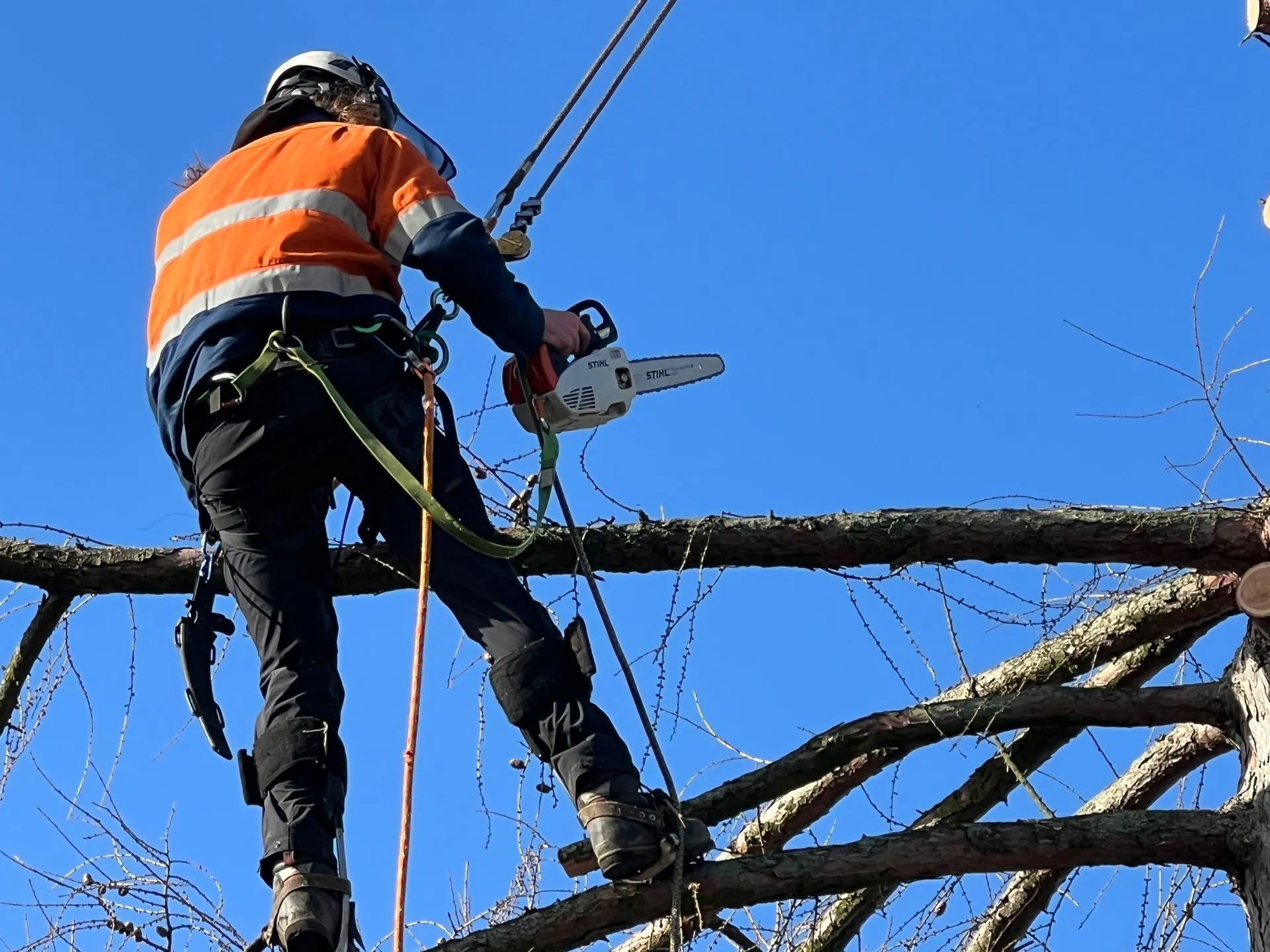
A tree causing concern on a business site rarely behaves like a garden problem - a leaning crown over a staff car park, roots lifting a loading bay apron, or storm damage blocking a delivery access all carry knock-on costs for a business that a domestic removal doesn't. Glasgow Trees has been removing trees from commercial premises across Glasgow and the surrounding council areas since 2005, working to British Standard BS3998 with the crane, mobile platform and rope-access equipment needed to bring a tree down safely next to a building, retail unit or occupied office without shutting the site down for longer than necessary.
Whether the job is a single storm-damaged tree needing urgent attention or a planned removal ahead of redevelopment, the sections below set out what's included as standard, what's charged separately, and how a typical job runs from first call through to a tidy site.
- Trading as Glasgow's tree surgery specialists since 2005
- All work carried out to British Standard BS3998 by a fully insured team
- Free, no-obligation site visit and quote
What's Included in a Business Property Removal - and What Costs Extra
- Removal of dangerous, storm-damaged or structurally unstable trees, with rapid mobilisation for urgent cases
- Sectional dismantling and controlled lowering for trees within metres of buildings, car parks or overhead lines
- Rope access and MEWP platform work (up to 20-30 metres) for trees a crane can't reach
- Crane-assisted removal, up to 30-tonne lift capacity, for large or awkwardly-positioned specimens
- Checking Tree Preservation Order and conservation area status, and handling Section 211 notices or planning liaison with the council before cutting starts
- Risk assessments, method statements and completion paperwork for a facilities manager or insurer
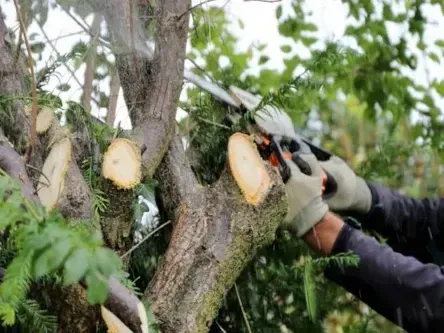
- Brash chipping, timber removal and site tidy-up so the property is usable again straight away
Not Included / Costed Separately
- Stump removal is a separate job, priced and booked on top of the tree removal itself
- Working in confined spaces near buildings or cables adds roughly 20-40% to a standard removal price rather than being included as standard
- Crane hire is charged as a daily equipment cost (£300-£800) alongside the tree work
- Out-of-hours or emergency call-outs carry an urgency premium rather than the standard scheduled rate
- Replacement planting or wider landscaping repair beyond a basic site tidy-up is quoted separately
- Any TPO or felling licence application fee charged by the council or Forestry Commission is payable by the client, though the paperwork itself is handled as part of the job
Commercial Job vs a Standard Tree Surgery Call-Out
| What matters on a business site | Typical local tree surgeon | Glasgow Trees commercial team |
|---|---|---|
| Access equipment | Ladders and a small MEWP | 20-30m MEWP, 30-tonne crane and rope access work |
| Working next to buildings or cables | Limited - higher risk of damage | Sectional dismantling with controlled lowering |
| Public liability cover | Standard domestic-level cover | £5 million public liability plus professional indemnity |
| Paperwork for facilities managers/insurers | Basic invoice | Method statements, risk assessments and completion sign-off |
| TPO and planning checks | Left to the client | Checked, and applications handled, before work starts |
| Emergency response | Next available slot | Rapid mobilisation, available 24/7 |
The Team Behind the Certificates
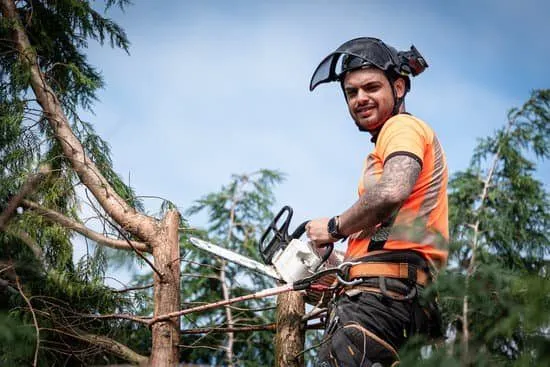
Glasgow Trees has traded as Glasgow's tree surgery specialists since 2005, and every removal is carried out to British Standard BS3998 by a fully insured team - the standard a facilities manager or insurance broker will check for before signing off on work near a car park, loading bay or occupied office. What sets a business removal apart from a garden job is the paperwork behind it: the team's NPTC Professional Tree Inspection qualification feeds directly into the risk assessment and method statement a commercial client needs on file, rather than just a verbal assurance that a tree was unsafe. That distinction matters most on sites where downtime has a real cost - a car park that has to stay open, a delivery bay that can't be blocked for a week - so the survey, the paperwork and the removal itself are scheduled around a business's trading hours rather than the other way round.
Further Out Along the M8, M74, M77, M80 and A82
Most commercial call-outs are in and around Glasgow, including neighbourhoods like Pollokshaws, on the doorstep of Pollok Country Park, where the same team's restoration work sits alongside more routine business tree removal for the surrounding retail and office premises. The commercial team also covers business properties across Renfrewshire, East Renfrewshire, East and West Dunbartonshire, Inverclyde, South Lanarkshire and the Stirling/Falkirk corridor. In West Dunbartonshire, that includes Clydebank and Dumbarton, where former shipyard and riverside sites have been redeveloped into business parks along the Clyde.
Renfrew and Johnstone sit close to the Glasgow Airport and Hillington estates already covered by our business-zone teams, while Greenock and the wider Inverclyde coastline bring more wind exposure into play, a factor that changes how a tree's stability gets assessed near docks and industrial premises. On the south side, Rutherglen, Cambuslang, Giffnock, Clarkston, Newton Mearns, Barrhead and Baillieston have a mix of retail parks and business units along the M74 and M77 corridors, and Bothwell and Blantyre add further commercial premises close to the Strathclyde Business Park corridor. East Dunbartonshire's Bishopbriggs, Bearsden, Milngavie and Kirkintilloch - the last with commercial units along the Forth and Clyde Canal - extend coverage north of the city. Further out still, Strathblane, Killearn, Balfron, Fintry and Kippen sit at the foot of the Campsie Fells and Trossachs, where business premises are often working estates, hotels or visitor sites with mature parkland trees carrying a different wind-throw risk to a confined city-centre car park. Bo'ness, on the Firth of Forth, falls within the same Falkirk-area coverage as the rest of the Central Scotland corridor.
Frequently Asked Questions
How much does removing a tree from a business property cost?
Price depends on the tree's size and position, whether a crane or a mobile platform is needed to reach it, and how close it stands to a building, car park or overhead line. Working in a confined space next to a building typically adds 20-40% to a standard removal price, and crane hire is charged as a separate daily cost, roughly £300-£800 depending on the lift needed. A full quote needs a site visit - a car park tree with open access on all sides costs considerably less to remove than one wedged against a loading bay wall - but every visit and quote is free and no-obligation.
Are you insured for work on commercial premises?
Yes - the team is fully insured, and every job is carried out to British Standard BS3998. For a commercial job that usually means a risk assessment and method statement on file rather than just a job sheet, since a facilities manager or an insurer will often want that paperwork before signing off on the work.
Will you check whether a tree has a Tree Preservation Order before quoting?
Checking Tree Preservation Order and conservation area status is part of the process before any cutting starts, along with handling Section 211 notices or liaison with the council where they apply. Any application fee the council or Forestry Commission charges is payable by the client, but the paperwork itself is handled as part of the job.
Can you remove a tree that's close to a building or overhead cables?
That's the kind of job the commercial team is set up for - sectional dismantling and controlled lowering piece by piece, using rope access or a mobile platform up to 20-30 metres where a crane can't get in close enough. It takes longer than felling a tree in open ground, which is reflected in the confined-space pricing rather than being charged as an afterthought.
What if a tree comes down or gets damaged in a storm and is blocking access?
Storm-damaged and structurally unstable trees get rapid mobilisation rather than the standard scheduled slot, since a blocked delivery bay or car park has a direct cost to a business. An out-of-hours or emergency call-out carries an urgency premium over the standard rate, which is worth knowing before calling, but it's the difference between a site reopening the same day and one that stays shut.
Do you clear away the branches and timber afterwards, or is that separate?
Brash chipping, timber removal and a site tidy-up are part of the removal itself, so the property is usable again as soon as the work finishes. Stump removal is priced and booked separately, and replacement planting or any wider landscaping repair beyond a basic tidy-up is quoted on its own too - worth flagging if a car park surface needs reinstating rather than just cleared of debris.
How is a commercial removal different from a normal residential tree job?
The main differences are the equipment and the paperwork. A business site more often needs a large-capacity crane, a mobile platform working at height, or rope access to deal with a tree next to a building or cable run, plus the risk assessments, method statements and completion sign-off a facilities manager or insurer will ask for - documentation a household job doesn't usually need.
How long does a commercial tree removal take?
A single boundary tree with good access can be down and cleared within a day. Jobs needing a crane, sectional dismantling near a building, or multiple trees across a site typically run over several days, partly because access and any TPO checks need to be confirmed before cutting starts - a site visit gives a realistic timeframe rather than a guess.
Ready to Book Your Free Commercial Consultation?
Dangerous or overgrown trees on a business site create liability, access and insurance problems that grow the longer they wait. Get a free, no-obligation site visit and a written quote covering the removal, the paperwork and the clean-up.
0141-483-7485
Free, no-obligation site visits for every commercial enquiry.
Glasgow Trees — risk assessments, method statements and completion sign-off, handled as standard.
Get a Free Quote
🔒 Your details are safe with us. No spam, ever.