Glasgow's Tree Surgeons Since 2005
Tree Surgeon Glasgow | Glasgow Trees
✓ Trading since 2005✓ BS3998 standard✓ Fully insured✓ Free quotes
Trading Since 2005
BS3998 Standard
Fully Insured
Free, No-Obligation Quotes
Trusted Local Tree Surgeons for Glasgow Properties
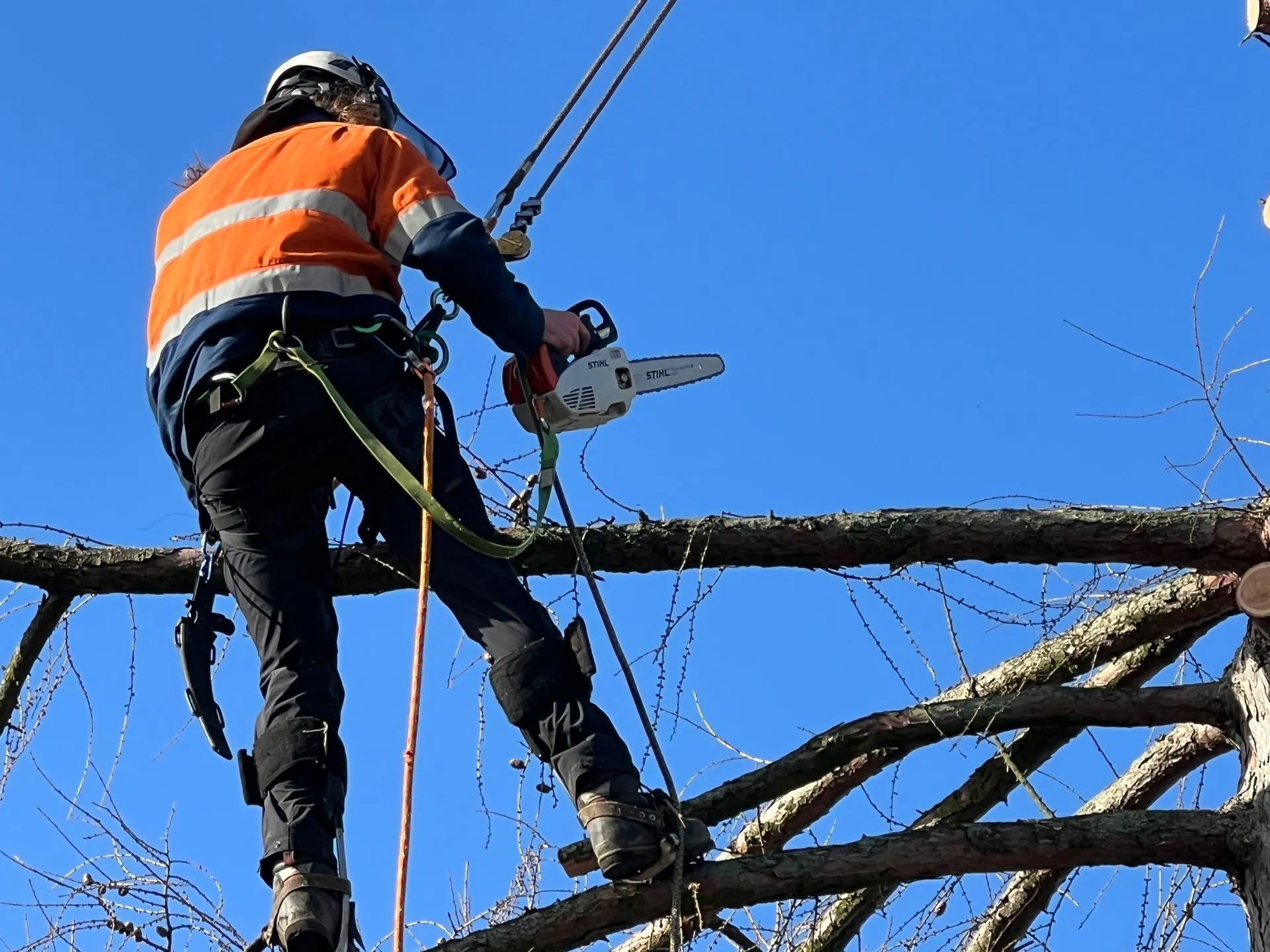
Glasgow's street trees, back gardens and development sites all need different things from a tree surgeon, and getting a job like a mature beech overhanging a Bearsden driveway wrong can mean a return visit, a damaged fence, or a tree that never recovers cleanly. Glasgow Trees has worked on properties across the city and the surrounding council areas since 2005, from routine crown reduction in a Southside garden to storm-damage clearance after a winter gale, with every job carried out to British Standard BS3998 by an NPTC-qualified team.
Some of that same team has also taken on restoration work among the veteran trees of Pollok Country Park, a collection that includes specimens considerably taller and older than anything found on a typical residential plot - useful grounding for judging structure and risk correctly on a smaller, closer-to-home job too.
What Falls Outside a Standard Tree Care Quote
- Tree removal and dismantling by climb-and-rig, MEWP or crane-assisted method, chosen to suit the site's access and the tree's condition
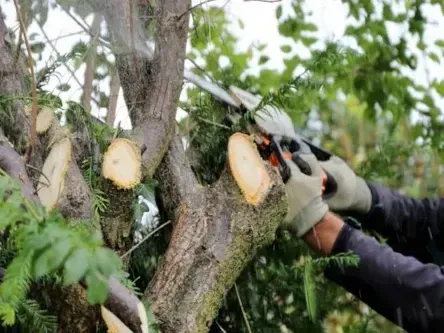
- Crown reduction, crown thinning and formative pruning carried out to BS3998, to reduce sail area, remove deadwood or keep growth clear of buildings and boundaries
- Stump grinding to around 12 inches or more below ground level, including compact machines for tight access between fences, sheds or paving
- Hedge cutting and trimming, including height reduction and shape restoration on overgrown boundary hedges
- Emergency callout for storm-damaged, leaning or wind-blown trees, covering making the site safe and removing the immediate hazard
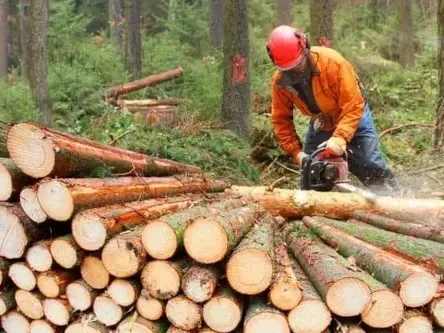
- Site clearance for garden, development or commercial ground maintenance work, including brash chipping and disposal
- A written quote and method statement, plus photographic records where needed for insurance or planning purposes
Not Included / Costed Separately
- Work on a tree protected by a Tree Preservation Order, or inside a conservation area, without council consent obtained first - this can add several weeks to a timeline before cutting starts
- Specialist access equipment such as a mobile crane or cherry picker for restricted sites, which is usually priced as a separate specialist hire
- Removing all timber from site - woodchip and log sections can often be left for the owner's own use by arrangement, but hauling large sections away is typically an added cost
- Chemical stump treatment for regrowth-prone species, beyond the standard mechanical grinding
- Underground utility investigation, diversion or repair - if a stump or root system has affected a drain, cable or gas main, that work sits with the relevant utility provider first
- Out-of-hours or short-notice callouts outside the usual site-visit window, which can carry a premium given weekend and emergency demand
How a Glasgow Trees Job Runs, From First Call to Clean-Up
- Initial enquiry and triage: A quick call or message describes the tree, its location and the problem - leaning trunk, deadwood, storm damage - so the job can be scheduled, with genuine hazards moved ahead of routine bookings.
- Site visit and BS3998 assessment: An NPTC-qualified surgeon inspects the tree in person: species, height, root plate, and what's underneath or nearby, because the same species of tree over a patio and over open lawn call for different rigging and technique.
- Written quote and method statement: A clear breakdown of cost and the proposed method - climb-and-rig, MEWP, crane-assisted or sectional dismantling - is provided along with the timeline and insurance confirmation, before anything is booked.
- The work itself: On the day, the crew sets up exclusion zones and any traffic or pedestrian management needed, then carries out the cutting, dismantling or grinding using the agreed method, with climbing gear, chainsaws, stump grinders or crane support for larger jobs.
- Site clean-up and sign-off: Timber and brash are chipped or removed as agreed, the ground is reinstated, and any photos needed for insurance or planning records are taken before the crew leaves, so the site is left tidy rather than just the tree dealt with.
Qualified Tree Surgery Compared With DIY or an Unqualified Contractor
| Glasgow Trees | DIY or unqualified contractor | |
|---|---|---|
| Qualifications | NPTC-qualified team working to British Standard BS3998 | No verifiable qualification or recognised safety standard |
| Insurance | Fully insured tree surgeons | Often no public liability cover if something goes wrong |
| Equipment | Stump grinder, wood chipper, timber crane and rigging kit for awkward sections | Limited to hired or borrowed tools, often unsuited to the tree in question |
| Site clean-up | Timber, brash and stump waste cleared and the ground reinstated as part of the job | Waste and stump often left for the owner to deal with |
| Documentation | Written quote and, where needed, photographic records for insurance claims | No paperwork trail if a dispute or claim follows |
Inspection-Trained, Not Just Chainsaw-Qualified
Plenty of contractors can fell or prune a tree, but working out whether that's even the right call in the first place is a different skill, and Glasgow Trees has built it into the business through NPTC Professional Tree Inspection training rather than treating every job as cut-first. That inspection qualification sits alongside NPTC/Lantra certificates covering small and large tree felling, windblown trees, aerial rescue, chainsaw work from rope and harness, and rigging and dismantling, plus machinery tickets for the stump grinder, wood chipper, timber crane and 360 excavator used on bigger clearance and site jobs.
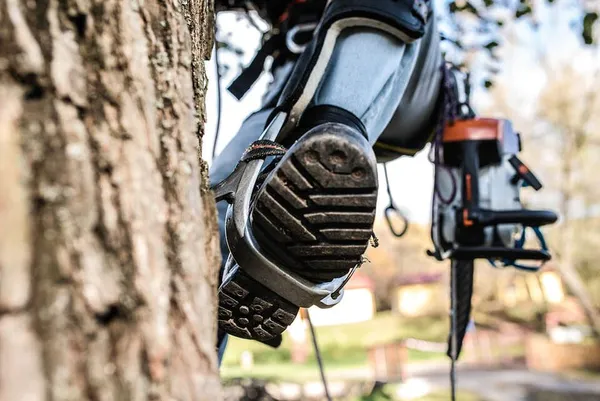
The team works to British Standard BS3998 throughout and is fully insured, and Glasgow Trees is registered at Clyde Offices on West George Street in the city centre rather than operating off a personal mobile number with no fixed address behind it.
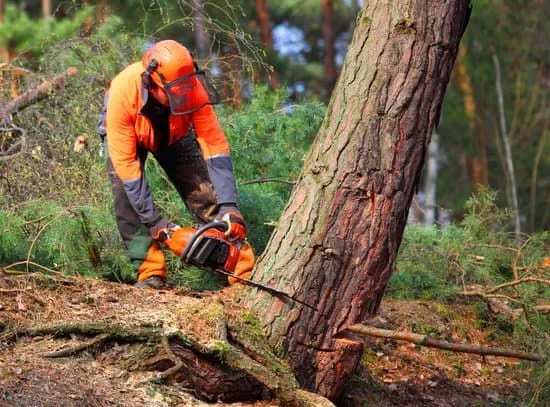
From West End Tenement Gardens to the Campsie Foothills
Glasgow itself is the base for most jobs, and its street trees turn up in some of the most demanding settings a surgeon works in - mature limes and planes along West End and Dennistoun tenement streets, Southside back gardens barely wide enough for a chipper, and the veteran specimens in Pollok Country Park and Queen's Park growing in heavier, clay-rich soil that holds water after rain and can leave a root plate less anchored than it looks from above.
Further out, Bearsden, Milngavie and Newton Mearns tend to have larger plots with older beech, oak and sycamore on better-draining, sandstone-derived ground, though the mature size of those trees still means careful rigging around period walls, greenhouses and conservatories. Coverage extends across Renfrewshire and East Renfrewshire, into East and West Dunbartonshire - including the more exposed, higher ground toward the Campsie foothills, where wind loading on tall conifers is a bigger factor than it is in the city - through selected parts of South Lanarkshire, and up to Stirling and Falkirk's Bo'ness, following the M8, M74, M77, M80 and A82 corridors. Glasgow's own canopy cover sits at around 15%, above the UK's 10% urban average, which in practice means more mature trees close to property boundaries than in many cities, and more jobs where root spread, subsidence risk or a protected species need working out properly before any cutting starts.
Frequently Asked Questions
Do I need permission before a tree is removed or pruned?
Not always, but it depends on the tree and where it stands. If it's protected by a Tree Preservation Order or sits inside a conservation area, council consent is needed before work starts - Glasgow Trees can advise on whether that applies to your tree and handle the paperwork. Most routine domestic pruning and hedge cutting doesn't need permission, but it's checked as part of the site visit regardless.
How quickly can someone come out for a dangerous or storm-damaged tree?
Emergency response is typically 1 to 3 hours depending on location and weather, with cover across a 50-mile radius of Glasgow available around the clock. The priority on arrival is making the site safe - stabilising or removing the immediate hazard - before any wider clean-up begins.
What happens to the branches and timber once a tree is removed?
Brash is chipped and can either be left on site as mulch, useful for borders and beds, or taken away, depending on what suits the property. Larger timber sections are usually removed unless the owner wants logs kept for firewood, which is worth mentioning at the quote stage since it affects the price.
Can a stump be ground out without wrecking the lawn or nearby paving?
Yes - stumps are ground to around 12 inches or more below ground level using commercial-grade grinders, including compact machines for tight access between fences, sheds or paving. The root system is treated to reduce regrowth and the surface is reinstated afterwards, so the area is ready for turf, planting or paving to go straight back down.
Do I need to pay for a survey before I can get a price?
No - quotes are free and no-obligation. A qualified surgeon still needs to see the tree in person to give an accurate figure, since access, species and condition all affect cost, but there's no charge for that visit or the written quote that follows.
Does the time of year affect when hedge or tree work can be done?
It can. Nesting birds are protected by law, so hedges and trees are checked for active nests before cutting during the main nesting period, roughly spring through mid-summer. It rarely stops a job outright, but it can mean adjusting the scope or timing rather than clearing everything back in one visit.
What qualifications should I actually expect a tree surgeon to hold?
Look for NPTC or Lantra certificates covering chainsaw use, aerial work and rescue, and any machinery involved, plus proof of insurance. Glasgow Trees' team holds NPTC/Lantra qualifications across health and safety, first aid, felling (including large and windblown trees), aerial rescue, rigging and dismantling, and machinery operation, alongside NPTC Professional Tree Inspection training, with all work carried out to BS3998.
Will the crew need access through the house or garden, or can the work be done from the street?
It depends on where the tree sits and how big it is. Access is assessed as part of the site visit - some jobs are handled entirely from the pavement or driveway with a MEWP or crane, others need a route through a garden for a chipper or stump grinder, and that's factored into both the method statement and the quote.
Get a Free Site Visit Booked This Week
A tree that's already leaning, shedding deadwood, or pushing into a boundary rarely gets safer by waiting for the next season - book a free, no-obligation site visit and get a written quote before deciding what to do next.
0141-483-7485
Free, No-Obligation Site Visits
Book a visit and get a written quote from an NPTC-qualified surgeon before anything is agreed.
Get a Free Quote
🔒 Your details are safe with us. No spam, ever.