Domestic Dangerous Tree Removal Specialists Since 2005
Domestic Dangerous Tree Removal Glasgow
✓ Trading since 2005✓ BS3998 standard✓ Fully insured✓ Free quotes
Trading Since 2005
BS3998 Standard
Fully Insured
Free, No-Obligation Quotes
Introduction
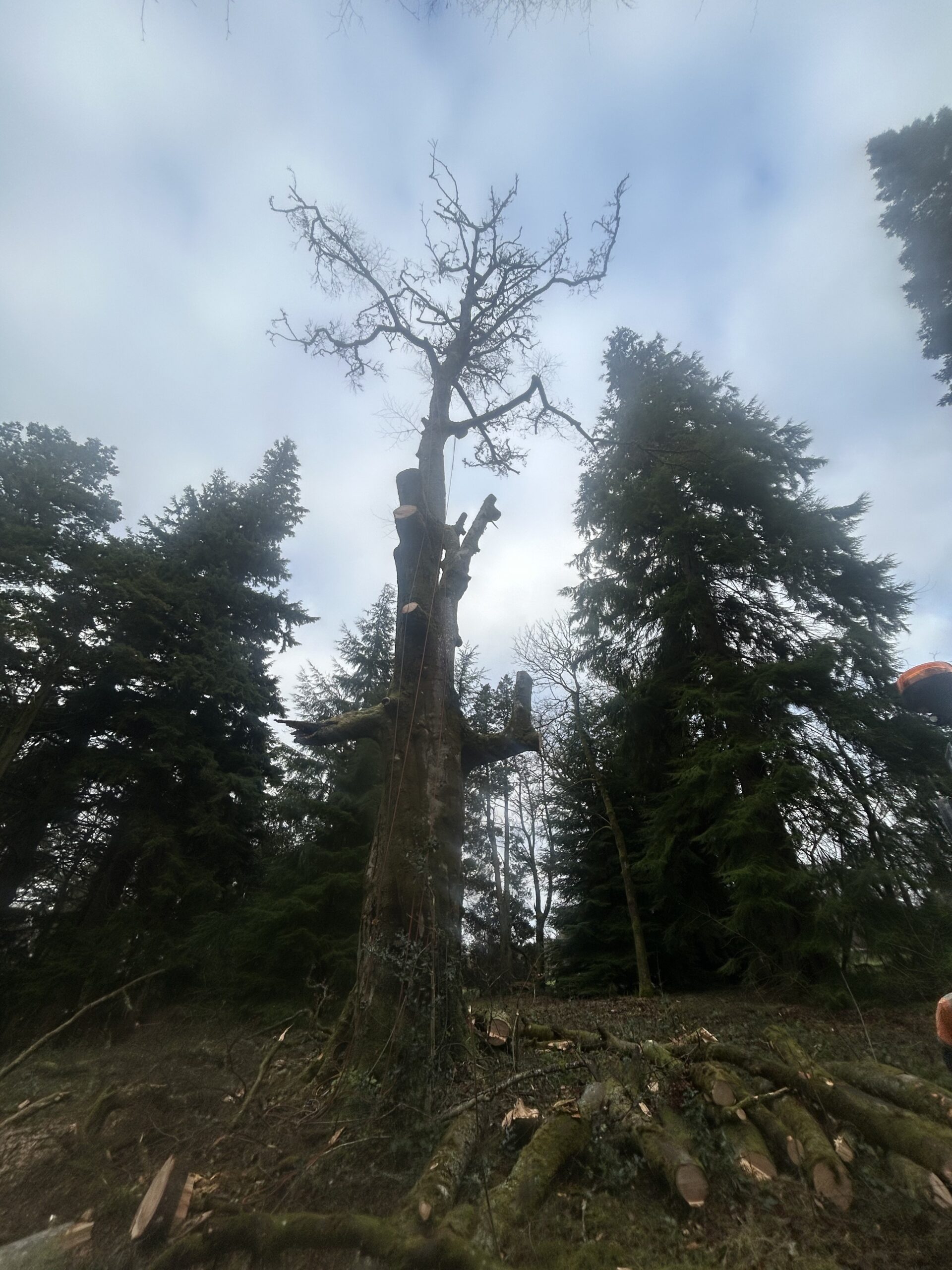
A tree that's leaning a little further every time you look at it, showing bracket fungus low on the trunk, or has already dropped a limb in wind isn't something to leave until the next routine prune comes round. The pattern that keeps showing up on these jobs is the same: root plate movement you can feel underfoot before you see it, cavities that don't show from ground level, and deadwood in the canopy that only turns up once someone's up the tree tapping the trunk for hollow sections.
Getting that read right before any cutting starts is what keeps the removal itself straightforward rather than turning into a surprise halfway through. If the tree also needs the stump taken out once it's down, that's priced and carried out separately - see our stump grinding page for how that works. And if the tree in question has already come down, or is failing right now rather than simply deteriorating, our emergency tree removal page covers the same-day response that situation actually needs.
Key Selling Points
- NPTC-qualified hazard read before any cutting starts
- Free, no-obligation quotes
- Fully insured, all work to British Standard BS3998
The Hazard Checklist: What's Handled On the Day, and What's Priced Separately
- Safe felling or sectional dismantling, using rigging and rope-and-harness climbing where a tree can't simply be felled whole
- A hazard assessment by an NPTC-qualified surveyor before any cutting starts
- Removal of all felled timber and brash from the property on the day
- Clearing paths, drives and neighbouring gardens of debris before we leave
- A written assessment report, with photographs, for your insurer or the council
Not Included / Costed Separately
- Crane hire or road/pavement closures for hard-to-reach trees - only needed on a minority of jobs, and priced after the site's been seen
- Repairs to fencing, sheds, drains or paving already damaged by the tree - worth quoting alongside the removal if it applies to you
- Replacement planting where a council attaches that condition to a Tree Preservation Order removal
- Stump grinding or stump removal - priced separately once the tree is down, since root size and access vary too much to quote blind
What Happens Between Your Call and the Tree Being Down
- Tell us what you're seeing: A lean, cracking bark, fungus at the base, a limb that's already come down in wind - describe it on the phone and how quickly a visit is needed gets judged from that, not just booked into the next available slot.
- The read: An NPTC-qualified surveyor examines the trunk, root plate, canopy and surroundings on site, gives a verbal read-out the same day, and follows up with a free written quote. Where the tree carries a Tree Preservation Order, the photographic evidence and council notification are prepared at this stage too, rather than after the cut.
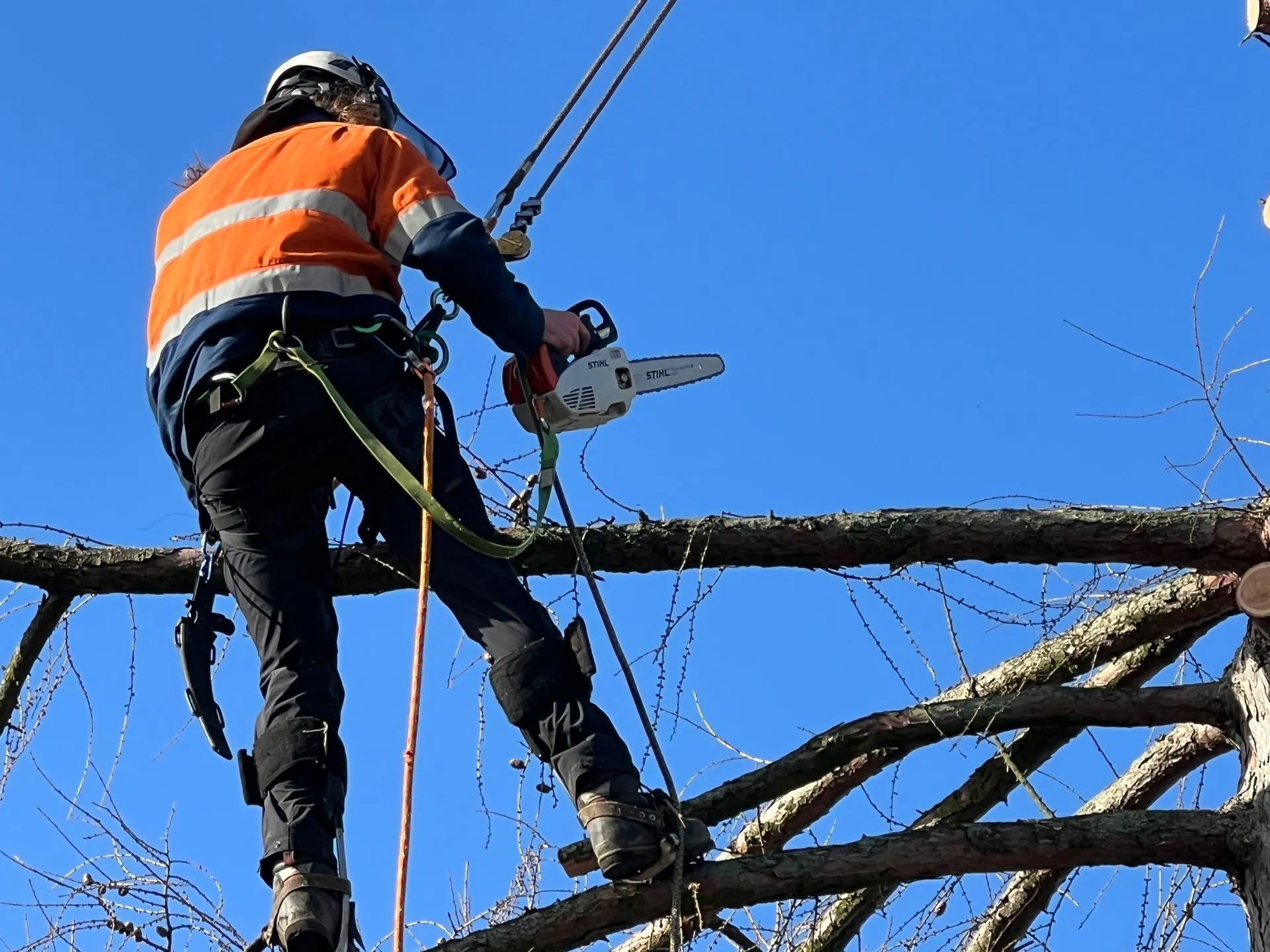
- The cut: Sectional dismantling with ropes and rigging where space is tight - between a house wall and a fence line, say - or straightforward felling where there's room to take the tree down in one piece. Work is done from the ground, aerially, or from a platform depending on what the site allows.
- The clear-up: Timber and brash come off site the same day; paths, drives and neighbouring gardens are left clear rather than piled with cut wood.
- What you're left with: A written report and photographs for your insurer or your own records, plus a straight answer on whether the stump is worth grinding out or the space worth replanting.
Why Two Hazardous Removals Rarely Cost the Same
The single biggest swing in price is how the tree has to come down, not how tall it is. A tree with clear space to fall in one piece is a different job - and a different cost - from one boxed in by a house, a fence line or overhead cables that has to be taken apart in sections with ropes and rigging (the table below sets out how that plays into dangerous, emergency and routine removals differently).
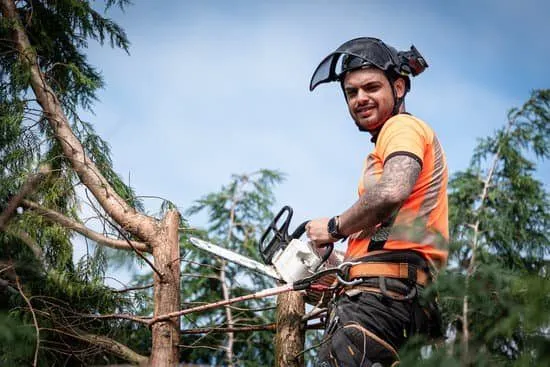
A Tree Preservation Order, an access route tight enough to need a crane, or a request to grind the stump once the tree's down each move the figure again. None of that can be judged accurately over the phone - a site visit is what lets us see the lean, the working space and what's around the tree, and that visit, along with the quote that follows, is free either way.
Dangerous, Emergency or Routine: Which Call-Out Matches What You're Looking At?
| Dangerous tree removal | Emergency tree removal | Routine tree removal | |
|---|---|---|---|
| When it applies | A hazard has been identified but isn't about to fail this minute | A tree has already failed or is about to - storm damage, blocking access, resting on a structure | Tree is healthy but no longer wanted, or needs managing for space or light |
| Typical response | Assessment usually arranged within 24 hours | Same-day, out-of-hours where needed | Booked to suit your diary |
| Assessment involved | Full NPTC hazard assessment with a written report | Rapid safety check first; a fuller report follows once the site is made safe | Standard site visit and quote |
| Council/TPO involvement | Notification and documentation prepared before work starts | Can proceed under the immediate-danger exemption; paperwork follows | Full Tree Preservation Order application if the tree is protected |
| Typical cost | Higher than routine removal, due to rigging, documentation and extra safety measures | Highest, due to urgency and any out-of-hours mobilisation | Lowest - most straightforward access and scheduling |
From Pollok Park's Champion Trees to a Leaning Garden Tree
Working out whether a tree is going to come down, and how to bring it down safely if it is, is a different skill from pruning a healthy one.
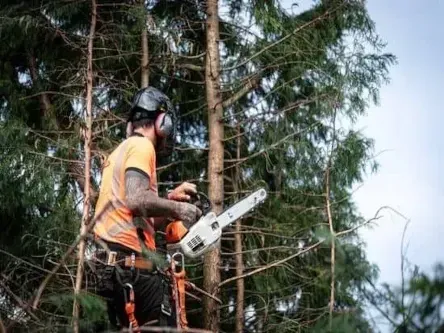
Windblown trees, large tree felling and aerial rescue are separate NPTC/Lantra certificates for a reason: a root plate that's already lifted, or a canopy carrying storm damage, behaves differently under a chainsaw than sound timber does, and rigging a section down through a narrow gap rather than dropping it whole needs its own training, backed by rope-and-harness and rigging-and-dismantling certification, plus the timber crane and 360 excavator tickets for anything too big to bring down by hand. Some of that large-tree experience comes from restoration work at Pollok Country Park, where the trees under management include a champion Sitka spruce over 33 metres tall - the same structural read a garden tree needs once it's started to lean or drop limbs, just at a different scale. Glasgow Trees has held that mix of qualifications while trading since 2005, working to British Standard BS3998 and carrying full insurance on every job. Registered office: Clyde Offices, 2nd Floor, 48 West George Street, Glasgow G2 1BP.
Pollokshields Gardens to Bothwell's Protected Trees: Where These Calls Come From
Most dangerous tree call-outs are in Glasgow itself - older suburbs like Pollokshields and Dennistoun tend to have large mature trees in gardens too small to let one fall safely, which is exactly the kind of job that needs rigging rather than a straight felling cut. Clarkston and Bothwell come up regularly too: Bothwell is a conservation village near Bothwell Castle where a good number of trees carry Tree Preservation Orders, so council paperwork gets prepared alongside the site visit rather than after it.
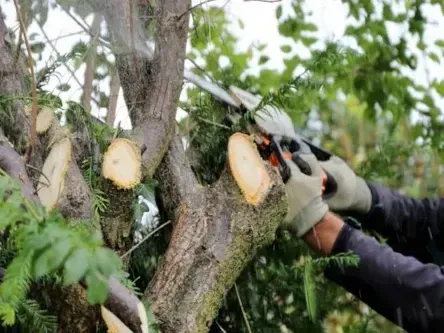
Further out toward Stirling, villages under the Campsie Fells and the Fintry Hills sit more exposed, with larger gardens and shelterbelts where storm damage and windblown trees are a more frequent call than in the city, and Bo'ness on the Firth of Forth adds coastal wind exposure to the same picture.
Frequently Asked Questions
How can I tell if a tree is actually dangerous rather than just needing a prune?
Signs worth acting on include a lean that's new or getting worse, bracket fungus or other fungal growth at the base or on the trunk, cracks in the trunk or where a major branch joins it, roots that have lifted or heaved the ground around the base, and deadwood high in the canopy that could come down in wind. None of these guarantee the tree has to come out, but they're the reason a proper look from an NPTC-qualified surveyor is worth having rather than guessing from the ground.
Does a tree need a Tree Preservation Order or Conservation Area check before it can be removed?
If a tree carries a TPO or sits in a Conservation Area, the council normally needs to be told and the reasoning documented before work starts. Where a tree is a genuine immediate danger, work can go ahead under the emergency exemption and the paperwork follows afterwards, but for most dangerous-tree jobs the photographic evidence and notification are prepared as part of the site visit, not left until after the tree's already down.
What's the actual difference between dangerous tree removal and emergency tree removal?
Dangerous tree removal covers a hazard that's been spotted but hasn't failed yet - a lean, a crack, fungus at the base - so there's usually a day or so to arrange a proper site visit and quote before the work happens. Emergency removal is for a tree that's already come down or is failing right now, which needs a same-day, sometimes out-of-hours response instead.
Will the stump be taken out as part of the removal?
Not as standard - stump grinding is priced and booked separately once the tree's down, because how much root and access there is only becomes clear at that point. It's straightforward to add on if you want the stump gone rather than left as a marker.
How quickly can someone come and look at a tree I'm concerned about?
For a dangerous tree that isn't actively failing, a site visit is usually arranged within 24 hours of getting in touch. If the tree has already come down or looks like it's about to, that moves to a same-day response instead.
Can you give me a price over the phone?
Only a rough range, and only once the way the tree has to come down is clear. Anything involving rigging, difficult access, a TPO, or a request for stump grinding changes the figure enough that a site visit is the only way to give a number you can rely on - the visit and the quote are both free.
Will I get anything in writing for my insurer or the council?
Yes - a written report with photographs is provided as standard, covering what was found and why the tree was removed. That's the same documentation used for TPO notifications and it holds up as evidence for an insurance claim if you need one.
If a Tree Looks Like It's Getting Worse, Don't Wait for the Next Storm
A lean that's stayed the same for years can still be safe; one that's visibly changed since you last looked usually isn't, and the gap between a straightforward removal and an emergency call-out is often just time. Get in touch for a free, no-obligation quote and an NPTC-qualified read on what's actually happening with the tree, before the next spell of wind decides the timing for you.
0141-483-7485
Every dangerous tree is different - tell us what you’re seeing and we’ll judge how quickly it needs a look.
Get a Free Quote
🔒 Your details are safe with us. No spam, ever.