
Glasgow's Estate Woodland Specialists Since 2005
Commercial Estate Woodland Management Glasgow
✓ Trading since 2005✓ BS3998 standard✓ Fully insured✓ Free quotes
Trading Since 2005
BS3998 Standard
Fully Insured
Free, No-Obligation Quotes
Introduction
Private estates carry a different set of woodland pressures to a back garden or a street tree: veteran specimens that need inspecting rather than felling, sporting and farming activity to work around, and grant and tax questions that a routine tree surgery job never touches. Professional forestry services for private estates in Glasgow bring timber management, conservation and heritage preservation together under one long-term plan rather than treating each visit as a separate job.
Glasgow Trees provides this alongside its wider tree surgery work across the city and surrounding council areas, from Renfrewshire estates to woodland holdings further into Lanarkshire and Stirling. The team's NPTC Professional Tree Inspection qualification and BS3998-compliant working practices mean estate owners get the same rigour applied to a single veteran tree as to a multi-hectare felling and restocking programme.
Key Selling Points
- NPTC Professional Tree Inspection qualified, for structural inspection of veteran and heritage estate trees
- Involved in restoration work at Pollok Country Park, home to Glasgow's tallest tree
- Trading as Glasgow's tree specialists since 2005, working to British Standard BS3998
What's Included in the Annual Estate Management Fee, and What's Billed Separately
- Full walkover survey of the woodland at the start of the relationship, covering species composition, age structure and access or extraction routes
- Ongoing structural inspection of veteran and heritage trees by an NPTC-qualified assessor
- Tracking of Tree Preservation Order, conservation area and SSSI status as designations or land use change over time
- Liaison with estate managers, gamekeepers and farm staff so any operations are scheduled around sporting seasons and farming activity
- A written annual management plan with progress reporting against agreed timber, conservation, sporting or heritage objectives
- General advice on thinning, restocking and rotation timing as part of the ongoing management relationship
Not Included / Costed Separately
- Timber harvesting operations - charged at 8-15% of gross timber receipts rather than bundled into the annual management fee
- New woodland establishment and planting - priced separately at roughly £3,000-8,000 per hectare depending on ground preparation and protection needed
- Grant application handling - charged at 10-15% of funding successfully secured, on top of the base management fee
- One-off strategic planning consultations outside the annual plan - billed at an hourly consultation rate rather than included as standard
- Tax and legal structuring advice - we coordinate with your solicitor or accountant on inheritance and capital gains matters but don't replace independent professional advice on estate tax planning
How Estate Woodland Actually Gets Managed, From First Contact to Restocking
- Designation and licence check: Before anyone walks the ground, we check what's already on record for the land: Tree Preservation Orders, conservation area or SSSI status, and any existing felling licences or grant agreements tied to it. Starting here means the site visit begins with the paperwork already understood, rather than a designation turning up halfway through a felling programme.
- Full estate walkover: An NPTC-qualified assessor covers the ground itself - species mix, age structure, veteran and heritage specimens, and the tracks and extraction routes that will matter once any timber work starts - checked against what the designation search already flagged.
- Talking to the people who actually use the ground: Family members, the estate manager, gamekeepers and tenant farmers are consulted directly, because sporting seasons and the farming calendar decide when work can realistically happen just as much as any regulatory restriction does.
- Costed plan with licence and grant applications drafted: You get a no-obligation written proposal setting out the management approach, indicative fees, and - where relevant - the felling licence and grant applications we'll prepare on the estate's behalf, plus a realistic timeline, before anything is booked.
- Work carried out around the estate calendar: Felling, thinning or planting is scheduled to British Standard BS3998 by the fully insured team, timed around bird nesting season, shooting seasons and farm activity so operations don't collide with how the estate is actually used day to day.
- Restocking obligations and the next review: Where a felling licence carries a restocking condition, that replanting is tracked through to completion rather than left as a loose end. The management plan itself is reviewed periodically so the strategy keeps pace with timber markets, grant scheme changes and the estate's own circumstances.
What Estate Woodland Work Costs Once You Move Past the Base Fee
The annual management fee itself depends on acreage, the number of designations involved, and how much active work the plan calls for, so there's no single published rate for it - a free site visit is the only reliable way to get an actual figure for a specific estate.
Beyond that base fee, the work that gets billed separately has clearer benchmarks: timber harvesting runs at 8-15% of gross timber receipts, new planting costs roughly £3,000-8,000 per hectare depending on ground preparation and the protection needed against deer or livestock, grant application handling is charged at 10-15% of funding secured, and one-off consultations outside the annual plan are billed hourly. All of these move with current timber prices, ground conditions and the scale of the work involved, so treat the figures as a starting point for budgeting rather than a fixed quote until a site visit has actually happened.
Why Veteran Estate Trees Need a Different Kind of Judgement
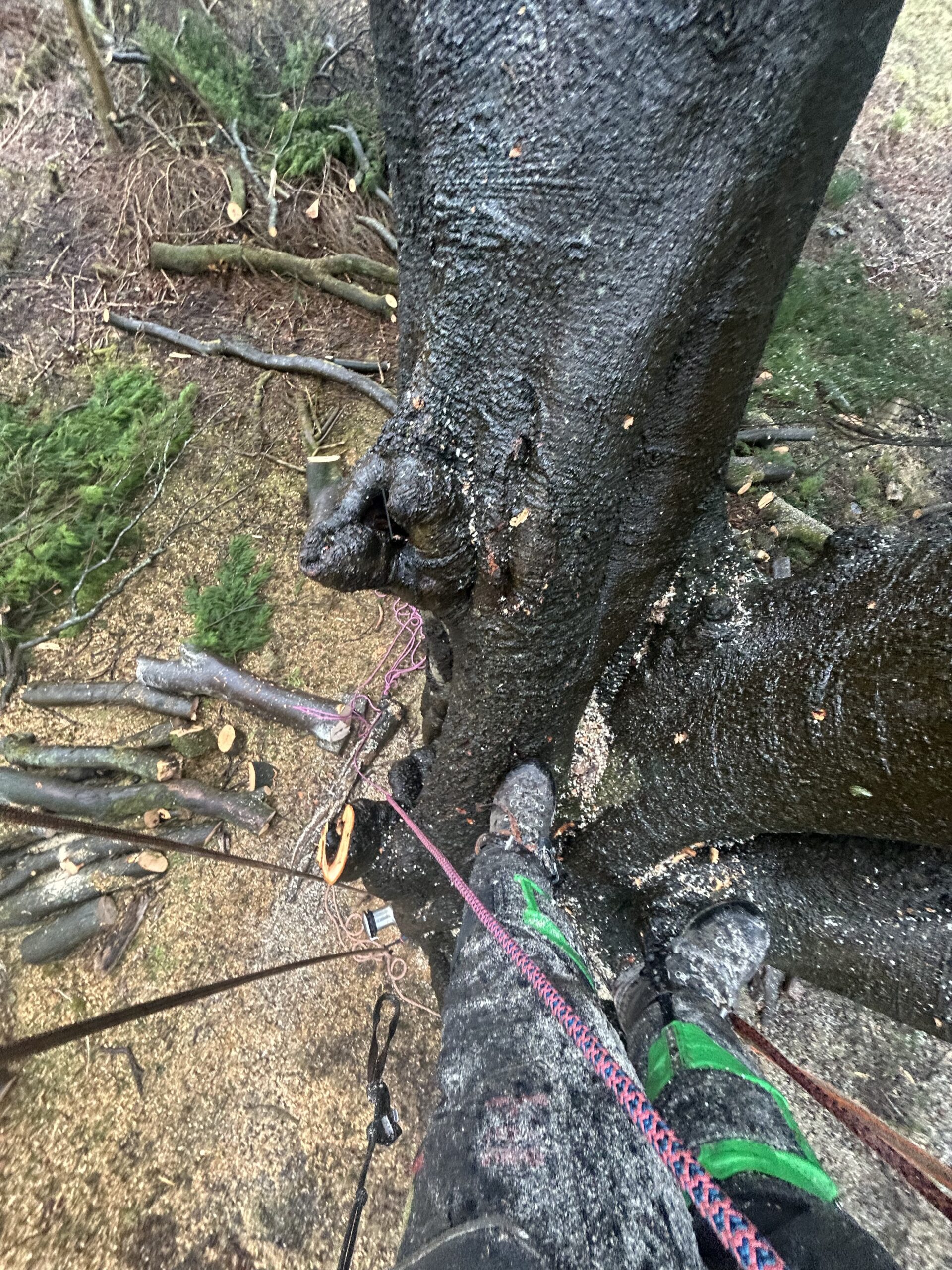
Most of what matters on an estate happens below eye level and over decades: a veteran oak or beech that's stood for a century and a half needs its structure read before any decision gets made about it, not a felling quote worked out from the ground. That's the specific gap the NPTC Professional Tree Inspection qualification fills - it's training in reading load, decay and structural risk in an individual specimen, a different skill from a felling crew's chainsaw certificates.
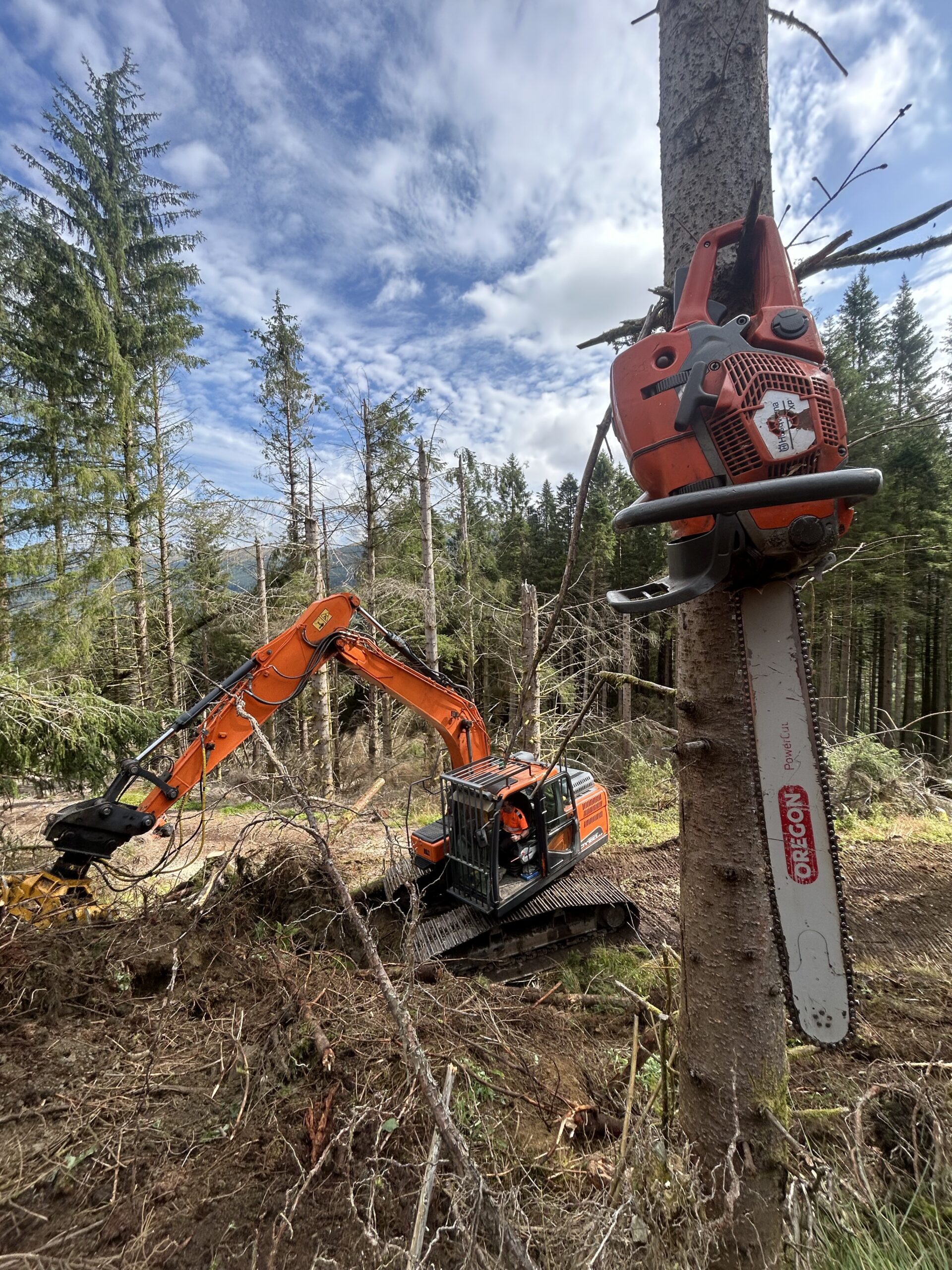
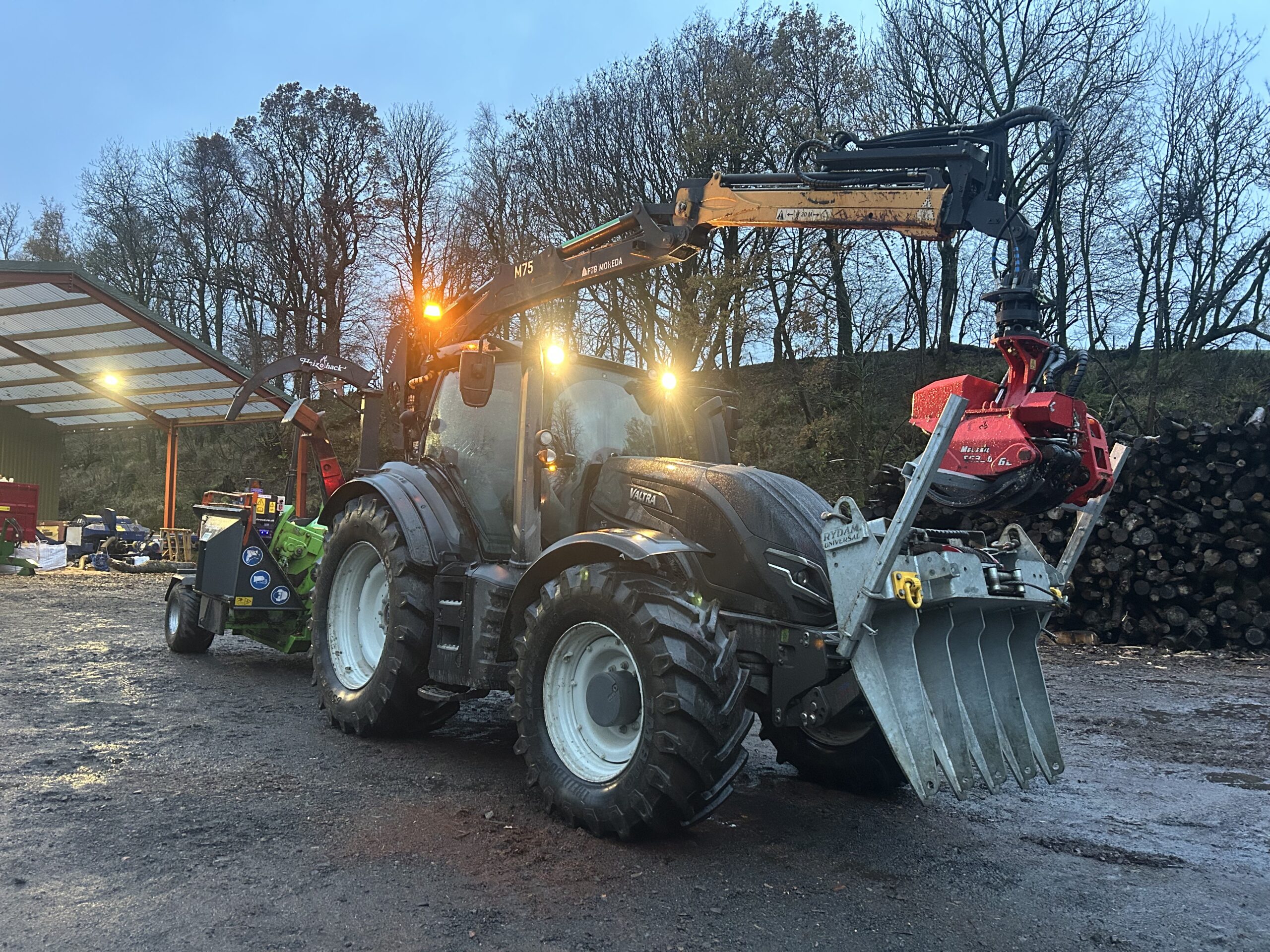
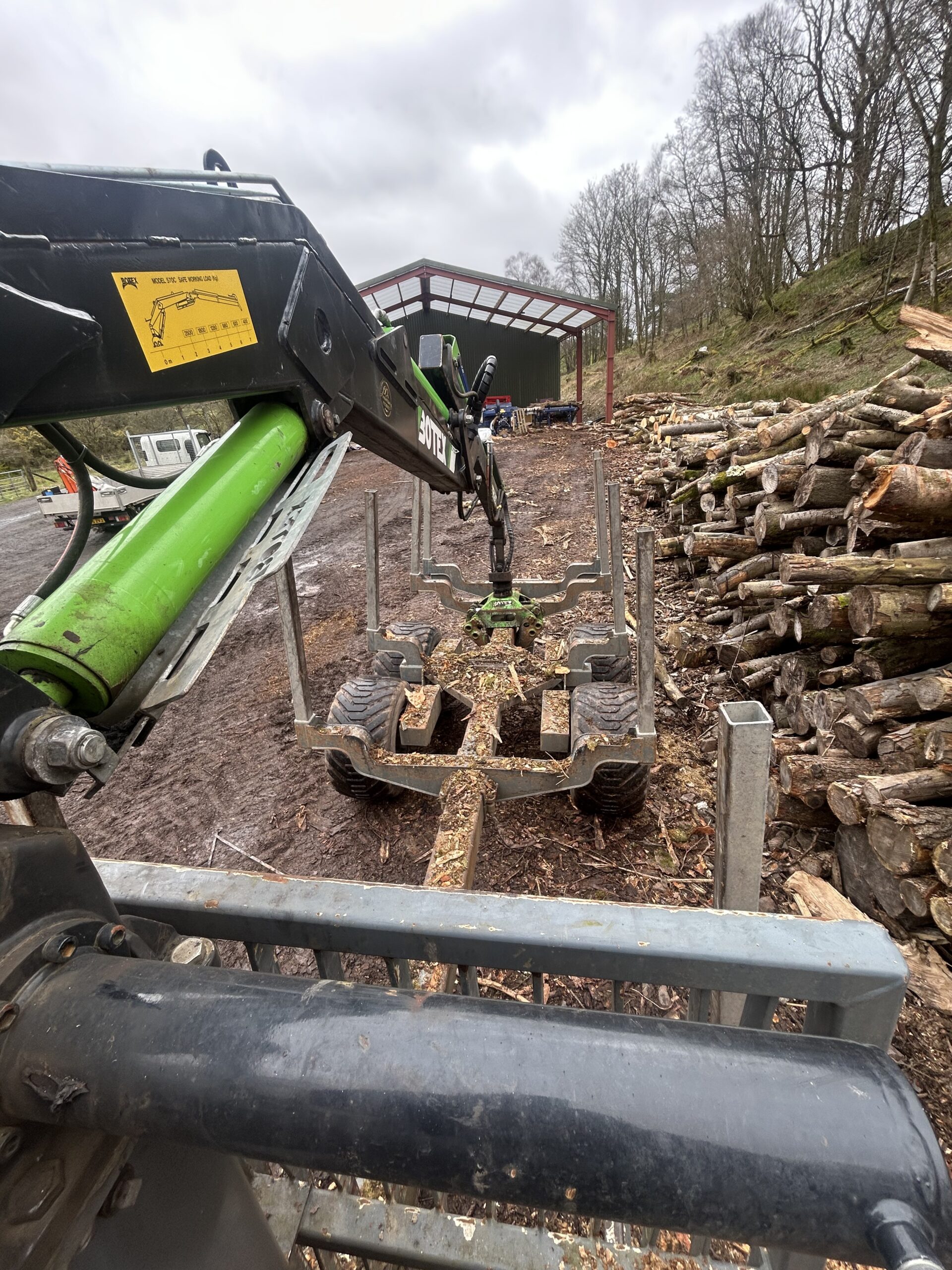
Glasgow Trees holds both: the inspection qualification for veteran and heritage trees, and separate NPTC/Lantra certificates covering windblown tree clearance, aerial rescue, chainsaw work from rope and harness, and rigging and dismantling, plus machinery operation across stump grinders, wood chippers, timber cranes, and the forwarder, skidder and tractor units needed to extract timber over estate-scale ground rather than a domestic garden.
That range of equipment earns its keep differently depending on where the estate sits: a mature parkland tree on the low ground of the Clyde Valley near Lanark or Carluke usually calls for careful rigging and a controlled lower rather than a straight felling cut, given what's often planted or built nearby, while a stand on higher, more exposed ground toward the Trossachs is more likely to have been shaped, or damaged, by wind, which is exactly what the windblown-tree clearance and aerial rescue certificates are there for. All of it is carried out to British Standard BS3998 by a fully insured team, and the quote itself is free and carries no obligation, so there's no cost to finding out where an estate's woodland actually stands before committing to a plan.
The Ground This Covers: From Renfrewshire Policy Woodland to Stirling Hill Estates
Estate work follows the same council areas as the rest of Glasgow Trees' service footprint, but the terrain shifts once you're outside the city itself. West of Paisley and around Lochwinnoch and the Renfrewshire Heights, estates tend to mix sheltered policy woodland and shelterbelts with rougher hill ground, where the state of the extraction route matters as much as the condition of the trees.
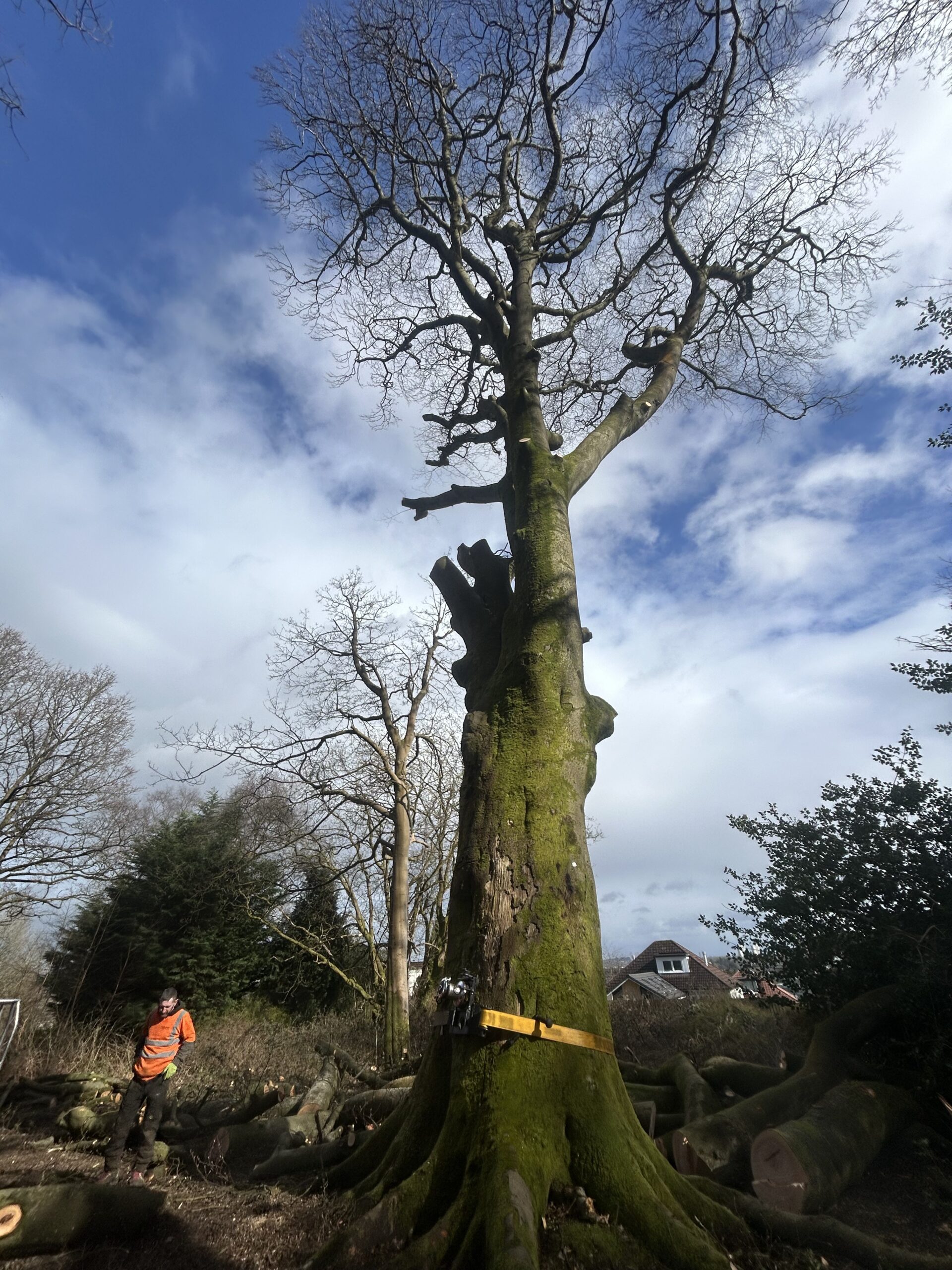
Further into Lanarkshire, estates along the Clyde Valley near Lanark and Carluke often carry mature parkland trees planted well before the surrounding farmland was drained, alongside steep river-bank woodland that needs different access equipment to a flat policy park.
Estates on the fringe of the Trossachs toward Stirling sit on higher, more exposed ground with heavier rainfall, which tends to show up as more windblow work and slower regrowth after felling than the sheltered estates closer to Glasgow. Which of these applies to a particular estate is something a site visit settles rather than a postcode, but the terrain is built into the management plan from the first walkover rather than worked out afterwards.
Estate Woodland Management vs General Tree Surgery
| Estate Woodland Management | General Tree Surgery / One-off Contractor | |
|---|---|---|
| Planning horizon | Multi-generational plans spanning 50-100 years, reviewed and adjusted over time | Single job, closed off once the work is done |
| Grant and tax input | Identifies relevant woodland grant schemes and coordinates with your accountant on tax treatment | Rarely covers grant or tax implications |
| Regulatory handling | Navigates Tree Preservation Orders, felling licence, conservation area and SSSI requirements as standard | May not check TPO or licence status before starting work |
| Team qualifications | NPTC/Lantra certified across felling, windblown trees, aerial rescue, rigging and dismantling, plus machinery operation | Certification varies and isn't always verified |
| Standards followed | All work carried out to British Standard BS3998 for tree work | Not always specified |
| Best suited to | Ongoing woodland with timber, conservation, sporting or heritage objectives | A single tree or small group needing attention now |
Frequently Asked Questions
Do I need a felling licence to fell trees on my estate in Scotland?
In most cases, yes - felling more than a small volume of timber in Scotland requires permission from the forestry regulator, separate from any Tree Preservation Order or conservation area consent that might also apply. Exemptions exist for small quantities, dangerous trees, and some garden or orchard trees, but estate-scale felling almost always needs a licence application before work starts. Getting this wrong risks work being stopped partway through a harvest, so it's worth checking felling licence and TPO status together at the outset rather than after a contractor has already started.
Is there a minimum size of woodland or estate you'll take on?
There isn't a strict minimum - estate work ranges from a handful of veteran trees needing inspection and preservation through to multi-hectare woodland with active timber, conservation and sporting objectives. What matters more than acreage is whether the woodland needs an ongoing management plan rather than a single visit; if it's genuinely a one-off job, standard tree surgery is usually the better and cheaper fit. A free site visit will tell you honestly which category the work falls into.
What time of year can felling and thinning actually happen?
Most operations avoid the bird nesting season, broadly March to August, when disturbing an active nest is a legal offence regardless of any felling licence or TPO consent already in place. Sporting seasons, lambing, and estate events also shape the calendar, which is why the management plan sets out a seasonal schedule rather than a fixed start date. Storm damage and dangerous trees are the exception - emergency work goes ahead when safety requires it, with nesting checked beforehand wherever practical.
How is estate woodland work different from having a tree surgeon out for a few trees?
A tree surgery callout deals with one tree or a small group, usually reactively. Estate woodland management looks at the whole holding - species mix, age structure, access, TPOs, grant eligibility, and how the woodland fits with farming or sporting use - and sets out a plan that's reviewed and adjusted over years rather than closed off after one visit. Many estates need both: ad-hoc tree surgery for individual specimens near buildings or roads, alongside the longer-term woodland plan for the wider holding.
How much notice do you need, and how quickly can you respond to storm damage?
Routine management work is scheduled around the seasonal calendar described above, so a few weeks' notice from the initial site visit to booked work is typical. Storm damage and windblown trees are different - the team holds specific NPTC training in windblown tree clearance and aerial rescue, so emergency callouts are prioritised ahead of scheduled work when a tree is dangerous or blocking access.
Do you handle the paperwork for grants and Tree Preservation Orders, or just the tree work?
Both, though it's worth being clear about the split: applications for TPO consent and felling licences are prepared and submitted directly, and we identify which grant schemes an estate could realistically qualify for and manage that application process. Tax structuring - inheritance tax relief, capital gains treatment and so on - is coordinated with your own solicitor or accountant rather than handled by us directly, since that advice needs to sit within your wider estate planning, not a tree contractor's remit.
Will estate woodland work be kept discreet, and what does the scale of past work look like?
Discretion is standard practice for estate clients - site visits, quotations and any reporting stay between the estate and Glasgow Trees unless you want it shared further. For a sense of scale, the team has taken part in restoration work at Pollok Country Park, home to the city's tallest tree, a Sitka spruce over 33 metres - similar heritage tree inspection and preservation work to what a private estate's own veteran specimens need.
What happens to the terrain and ground conditions once work is under way?
Ground conditions genuinely change what a felling or planting job looks like: a Clyde Valley river-bank stand needs different access equipment to a flat policy park, and higher, more exposed ground toward the Trossachs tends to bring more windblow and slower regrowth after felling than sheltered estates closer to Glasgow. This is why the walkover and designation check happen before any operations are scheduled, so equipment and timing are matched to the actual ground rather than a generic plan.
Start Before the Nesting Season Narrows the Working Window
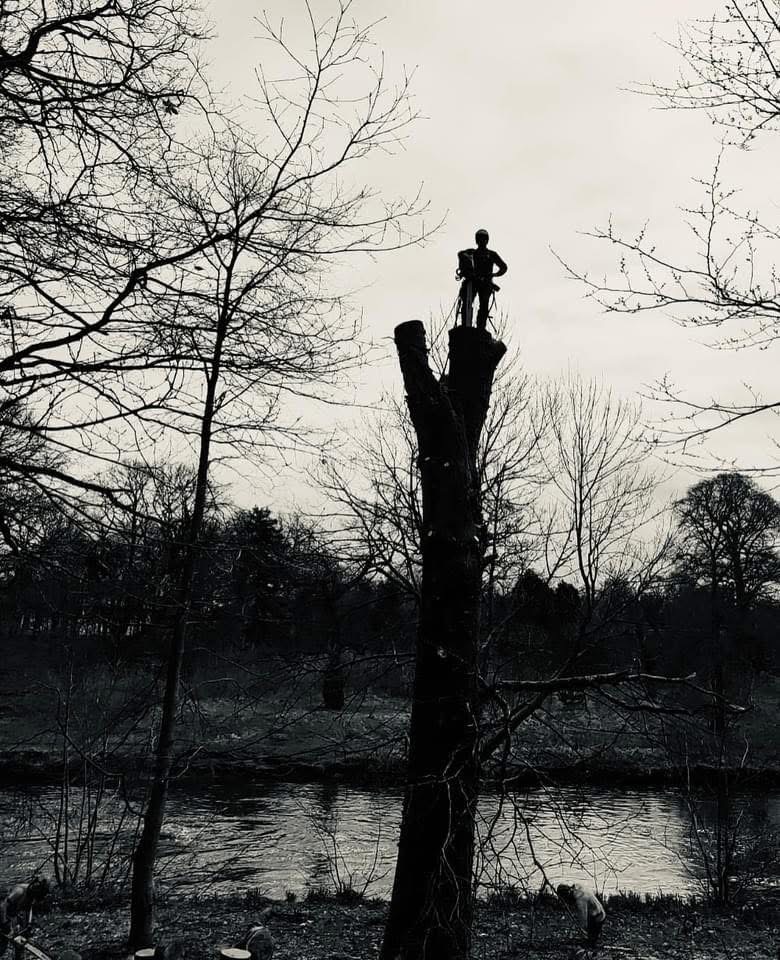
A proper management plan takes time to put together - walkover survey, designation checks, stakeholder input, and a felling licence or grant application if one's needed - so starting well before the bird nesting season closes down most operations from March to August leaves more of the year open for the work itself. The first site visit is free and carries no obligation, so there's no downside to finding out where an estate's woodland stands right now.
Give Your Estate Woodland the Plan It Deserves
From veteran tree inspections to multi-generational management plans, get a free, no-obligation estate site visit before the bird nesting season narrows the working window.
0141-483-7485
Free, No-Obligation Estate Site Visits
Book a visit and get a written quote from an NPTC-qualified team before any estate management agreement is agreed.
Get a Free Quote
🔒 Your details are safe with us. No spam, ever.