
Tree Surgeon Kelvinside Glasgow: Tree Care for Conservation Area Gardens
- NPTC-qualified across chainsaw work, aerial rescue and rigging -- not just general gardening cover
- All crown work carried out to British Standard BS3998
- Free, no-obligation quotes, with a proper site visit before any figure is fixed
If you own one of the villas along Great Western Terrace or one of the sandstone crescents just off it, the garden trees are usually about as old as the terrace itself -- a copper beech planted when the Thomson-designed villas went up, a mature cedar with room to actually walk under it, or a lime that's been pollarded by every owner since. That's a different problem from the tenement stretches a few streets over: Kelvinside's grander terraces tend to have proper garden ground rather than a shared back court, which changes both the access for machinery and the scale of tree a site can actually support. Finding a tree surgeon who works around Kelvinside, Glasgow means finding someone who reads that difference correctly rather than treating every West End garden as the same problem, and who understands the conservation area status covering most of the crescents and terraces here -- a status that changes what you're allowed to do to a tree even when it carries no individual Tree Preservation Order.
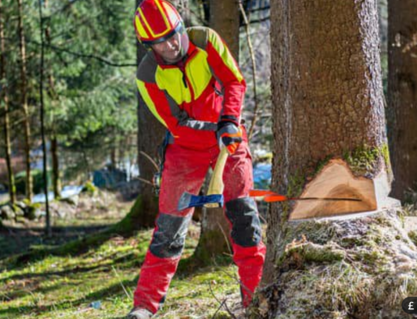
Glasgow Trees has traded under that name since 2005, working across Greater Glasgow on everything from grand terrace gardens to tenement back courts and open ground clearance, and the NPTC-qualified rigging and aerial rescue skills that handle a big felling job on open ground apply just as directly to a mature cedar boxed in by garden walls and a Victorian bay window.
The Work Itself, From Crown to Clearance
- Crown reduction, thinning and lifting on mature broadleaf and specimen trees -- beech, lime, sycamore, and the odd monkey puzzle in an older Kelvinside garden
- Deadwooding and formative pruning on younger trees before problems set in
- Sectional felling and dismantling by rope and harness where a tenement back court leaves no room for a crane
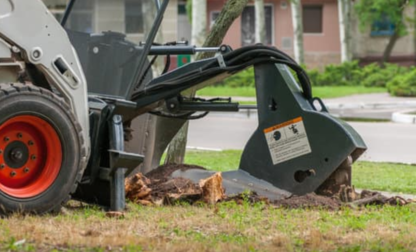
- Stump grinding down below turf or patio level
- Hedge cutting and reduction for boundary hedges and screening between properties
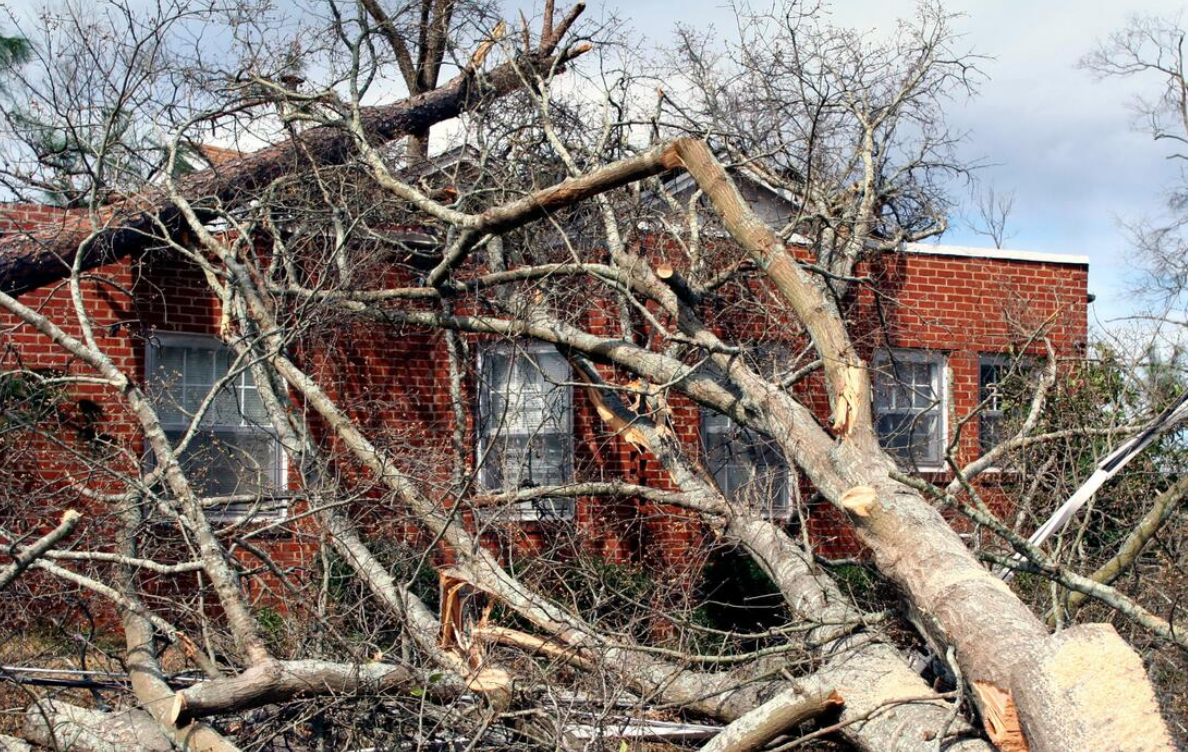
- Storm and emergency callout for wind-damaged, split or hung-up limbs
- Tree survey and condition reports for planning applications, mortgage conditions or insurance purposes
- Site clearance ahead of extensions, landscaping or garden redesign
- Guidance on Tree Preservation Order status and conservation area notice paperwork before work starts
Not Included / Costed Separately
- A full arboricultural impact report tied to a planning application -- that's a separate, chargeable specialist document, not something bundled into a routine tree work quote
- Digging out and removing a stump and its whole root plate -- the standard service is grinding the stump down, not full excavation
- Supplying and planting replacement trees
- Scaffold, crane or platform hire on sites where rope access genuinely isn't practical -- this is costed as separate plant hire, not included as standard
- The six-week conservation area notice period itself -- that's a council timeline, and no contractor can shorten it
- Skip hire or extra waste uplift beyond whatever's agreed in the quote
How the Job Differs: Terrace Garden Versus Back Court
- The first call -- A phone call or a couple of photos and a description of the problem -- a leaning cedar, storm damage, a hedge that's outgrown a shared boundary -- is enough to work out which of the two situations on this page applies: a terrace garden with room to work, or a back court with none. That shapes what gets asked next.
- What the site visit actually checks -- Someone walks the garden and looks at the tree directly -- species, condition, root spread relative to the sandstone foundation line, and whether machinery can reach it or everything has to go through a close by hand. Conservation area and TPO status get checked here too, since that's the one thing that changes the whole timeline if it's missed.
- Quote, and the council clock if it applies -- A written quote comes before anything is cut. Where the tree needs six weeks' conservation area notice sent to the council, that notice goes in at this stage rather than being left until later -- it's the one part of the job nobody can speed up, so starting it early is the only lever available.
- The work, and what's left afterwards -- A terrace garden job with room for a stump grinder and a chipper on site runs differently from a back-court fell done in sections by rope and harness with everything carried through a close -- but either way, timber gets chipped or removed, the stump goes below turf or patio level if that's part of the job, and the garden is left usable, not just cleared.
Pricing a Kelvinside Garden Tree: The Numbers and What Shifts Them
Nationally, Checkatrade's 2026 tree removal cost guide puts a medium tree removal at roughly £1,190 to £1,720, with a standalone tree survey running £300 to £420 and a day rate for a two-person crew somewhere between £250 and £460. Kelvinside doesn't change those baseline figures much on its own, but the site conditions common to the area do move a job up or down within that range. A mature beech or lime that has to come down in sections by rope and harness, because there's no room for a crane through a tenement close, takes longer than the same tree in an open garden, and that shows up in the quote. Stump grinding is usually priced separately from the felling or removal itself, and hedge cutting or crown reduction on a single tree tends to sit well under the removal figures above. Access is the other real variable: a tree at the back of a shared back court, reachable only by carrying kit through a close or over a wall, adds time compared with one you can drive straight up to. None of this replaces an actual figure. A proper quote needs someone to stand in the garden, measure the tree, check what's around it and what the access is like, and that's the only way to give you a number you can rely on rather than a guess over the phone.
General Gardener, Landscaper or Qualified Tree Surgeon: Who Handles What
| What the job needs | General gardener / handyman | Landscaping firm | Glasgow Trees |
|---|---|---|---|
| Crown work to BS3998 on a mature specimen tree | Rarely trained to the standard | Sometimes, often via a subcontractor | Carried out in-house to BS3998 |
| Conservation area / TPO notice guidance | Left to you to research | Occasionally offered as an add-on | Explained as part of the quote, before any work starts |
| Felling by rope, harness and rigging where a back court gives no room for a crane | Not usually insured or trained for this | Depends on who they subcontract to | NPTC-qualified team, including aerial rescue and rigging |
| Stump grinding, chipping and timber removal on site | Hired in as separate jobs | Often hired in | Own stump grinder, chipper and timber-handling machinery |
| Public liability cover for high-value sandstone property boundaries | Variable, worth checking before booking | Variable, worth checking before booking | Fully insured, confirmed on request |
The Six-Week Clock, and the Insurance Question That Comes With It
Insurance confirmed on request matters more on a Great Western Terrace boundary than on most jobs, and it's worth asking for that confirmation directly rather than taking a quote on trust. The team's NPTC and Lantra certificates cover health and safety, first aid, saw maintenance and small tree felling, large tree felling, windblown trees, aerial rescue, chainsaw work from rope and harness, and rigging and dismantling, alongside machinery tickets for stump grinders, wood chippers, timber cranes and other forestry plant. NPTC Professional Tree Inspection sits on top of that list, and it's the qualification that actually earns its keep on a Kelvinside street: judging whether an old lime backing onto the Botanic Gardens boundary is sound enough to leave standing, or whether the six-week conservation area clock needs starting before anything's cut, isn't a call to make from a photograph. Training in live-line work near overhead utility cables is also being added to the team's ticket list, which matters on the older terraces here where garden trees sometimes share a boundary with overhead wiring strung up long before current felling regulations existed. Every job -- terrace garden or back court -- is carried out to British Standard BS3998, under full insurance, by a crew that's been doing this work since 2005. Glasgow's own canopy cover runs at around 15%, above the UK's urban average of 10%, and Kelvinside's share of it skews toward exactly the kind of species that rewards judgement over a standard cut: copper beech, cedar, and the odd monkey puzzle in a garden old enough to have planted one when they were the fashion.
From Great Western Terrace Outward: Where the Work Happens
Kelvinside splits into two quite different garden types, and that's what actually shapes a job here. Along Great Western Terrace and the crescents that run off it -- Kirklee Terrace, Kelvinside Terrace -- the sandstone villas have proper garden ground, often enough space for a full-grown cedar or copper beech with room to work around it. Closer to Byres Road and the tenement stretches nearer the Botanic Gardens, the same age of tree is squeezed into a shared back court instead, which changes both the access and how a felling job gets rigged. A conservation area boundary runs close to, and in places along, the parkland edge of the Gardens themselves, and trees backing onto the Gardens or overlooking the Kelvin Walkway are often the oldest and tallest on a street, planted when the terraces went up -- they get treated with the same care as anything inside the park boundary even where they sit on private ground. Moving out from Kelvinside itself, the same crew covers the rest of the West End -- Kirklee, Broomhill, Dowanhill and Hyndland -- where the housing stock and garden trees are much the same age and style. Further out, coverage runs along the usual travel corridors rather than in a random scatter: north-west towards Bearsden, Milngavie and Kirkintilloch, south over the river into Pollokshaws and Rutherglen, and out along the M8 towards Renfrew, Paisley, Clydebank and Dumbarton. Beyond Greater Glasgow, the same team also takes on work further into Lanarkshire, Renfrewshire, West Dunbartonshire and out towards Stirling and Bo'ness, so a Kelvinside job is rarely a special trip -- it's usually one stop on a run that covers a fair chunk of the west of Scotland in a normal week.
Kelvinside Tree Questions, Answered Straight
How much does a tree surgeon cost for a large garden tree in Kelvinside?
As a national guide, a medium tree removal runs roughly £1,190 to £1,720 and a tree survey £300 to £420, with day rates for a crew typically £250 to £460. A mature Victorian garden tree removed in sections through a tight back court, rather than dropped whole in an open field, sits toward the top of that range because of the extra time and rigging involved. The only way to get a number specific to your tree is a site visit -- nobody should be quoting a firm price over the phone for a tree they haven't seen.
Is Kelvinside a conservation area, and does that change what work I can do to a tree?
Yes, Kelvinside falls within a conservation area, and that matters even for a tree with no individual Tree Preservation Order. Inside a conservation area, cutting down or doing significant work to a tree above a certain size generally requires you to give Glasgow City Council six weeks' written notice before work starts, so the council has the chance to object or attach a TPO if they think the tree is worth protecting. Skipping that step is one of the more common ways homeowners end up in trouble, often without realising the conservation area rule applied at all.
Do I need a tree survey before extending my house in Kelvinside?
If any tree sits close enough to the proposed extension that its roots, canopy or root protection area could be affected, most planning applications will ask for a tree survey as supporting evidence, and mortgage lenders sometimes want one too if there's a history of subsidence in sandstone tenement terraces nearby. It's worth commissioning the survey before you finalise drawings rather than after, since a large tree close to foundations can genuinely change where an extension can go.
Does working near sandstone tenement foundations change how you work out subsidence risk from a tree?
It does. Sandstone tenements were built on shallower foundations than modern housing, and clay-rich soils common in this part of Glasgow shrink and swell with moisture, so a mature tree's root system can be a genuine factor in ground movement near a wall or extension. Working that out properly means looking at species (some, like poplar and willow, are thirstier and more of a known risk), root spread relative to the building line, and any existing cracking, rather than assuming every big tree near a wall is a problem or, just as wrongly, assuming none of them are.
How much notice do I need to give the council before pruning or felling a tree in a Kelvinside conservation area?
Generally six weeks, in writing, before any work starts on a tree above a set trunk diameter -- and that applies whether or not the individual tree has a formal TPO, purely because of the conservation area designation. There are limited exceptions for dead, dying or dangerous trees, and for work that's genuinely minor, but anything more than light pruning is worth checking first rather than assuming an exception applies.
Are trees along the Botanic Gardens boundary in Kelvinside subject to extra protection because of the adjacent parkland?
Trees on private land next to the Gardens don't automatically inherit the park's own protections just from proximity, but in practice they're very often covered by the conservation area rules that apply across Kelvinside anyway, and mature specimens in prominent positions near a public boundary are more likely to already carry an individual TPO. The safe approach is to check the tree's own status rather than assume location alone settles it either way.
What's the difference between crown thinning, crown reduction and crown lifting, and which suits a Kelvinside garden tree?
Crown thinning removes selected smaller branches to let more light and air through the canopy without changing its overall size or shape -- useful where a tree is shading a whole back court. Crown reduction brings the whole crown in, reducing height and spread, which suits a tree that's grown too large for a tenement garden but still needs to look like itself afterwards. Crown lifting removes the lowest branches to raise clearance over a path, wall or window -- common where an old lime or sycamore has started blocking light to ground-floor rooms. Which one's right depends on the species, its condition and what's actually causing the problem, which is exactly what a site visit is for.
Do you offer ongoing maintenance for garden trees, rather than just one-off callouts?
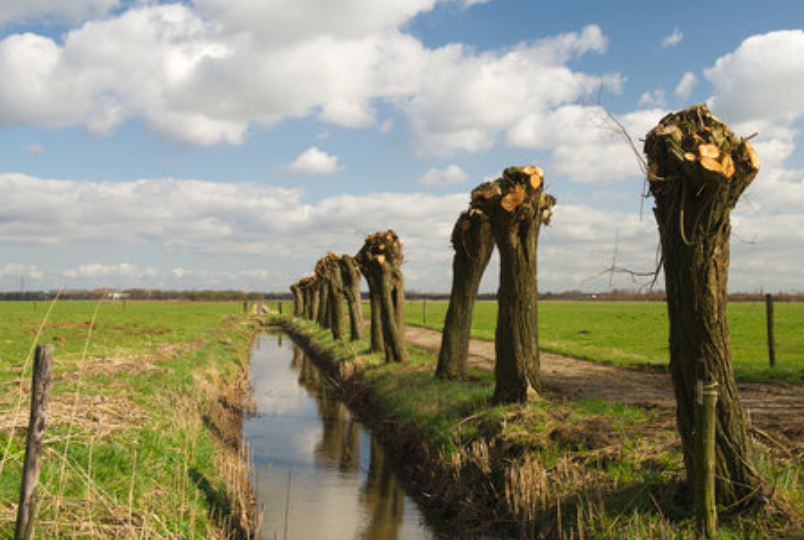
Yes -- a lot of Kelvinside gardens have trees that need revisiting every two to three years rather than a single job and done, particularly formal hedges, pollarded trees, or anything close to a boundary wall where growth needs managing before it becomes a dispute with a neighbour. A repeat arrangement also means the same crew gets to know the tree's history, which helps when deciding whether new deadwood or a lean is new or long-standing.
What insurance and qualifications should I check for before hiring someone to work on a high-value Kelvinside property?
Ask for confirmation of public liability insurance and proof of NPTC or Lantra certification for chainsaw work, aerial rescue and rigging -- not just a general claim of being 'qualified'. For anything involving felling from rope and harness, or dismantling near a building, roof or boundary wall, those specific certificates matter more than general experience, because that's what the insurer and the certifying bodies actually check.
Don't Wait For the Next Storm to Force the Issue
A conservation area address doesn't have to mean months of delay or an anxious phone call every time a branch cracks in the wind. Get the site looked at properly, get a written quote before anything is cut, and if council notice is needed, get that clock started now rather than after the next storm forces the issue.
Glasgow Trees
Call 0141-483-7485