Tree Surgeon Pollokshields, Glasgow
- Rigging and dismantling certificates that actually matter for tight back-court access
- An NPTC inspection decides the job before a price gets written down
- Ask for a quote and it costs nothing - agree one and the number doesn't move
If you're after a tree surgeon in Pollokshields, Glasgow, the trees you're dealing with are rarely straightforward. This part of the South Side is full of substantial Victorian and Edwardian villas on streets like Nithsdale Road, Albert Drive and Glencairn Drive, many with beech, lime, sycamore and the odd monkey puzzle planted when the houses went up over a century ago. Add in tenement back courts with shared access, a conservation area that covers much of Pollokshields, and gardens backing onto Maxwell Park or within a short walk of Pollok Country Park, and tree work here needs a plan before anyone picks up a saw.
This page sets out what tree surgery actually involves in Pollokshields - what's covered, what costs extra, how consent works if a tree sits in the conservation area, and what a typical job looks like from first phone call to the site being cleared. Where there's a genuine limit on what can be promised without seeing the tree in person, that's said plainly rather than glossed over.
Villa gardens, back courts and boundary hedges: what's included
- Removal of trees of any size, from small garden specimens to large mature villa-garden trees needing sectional dismantling
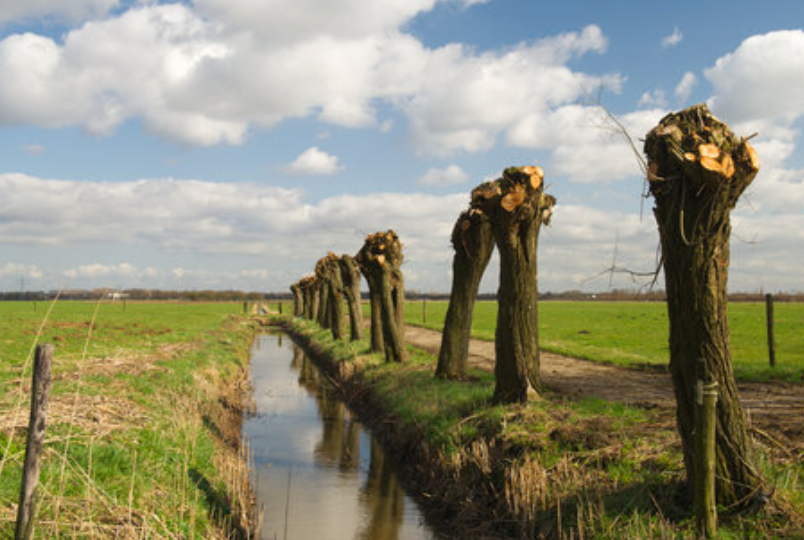
- Crown reduction and crown thinning, including trees overhanging a neighbour's garden or a shared back court
- Deadwood removal and crown cleaning, common on older beech and lime trees left unmanaged for years
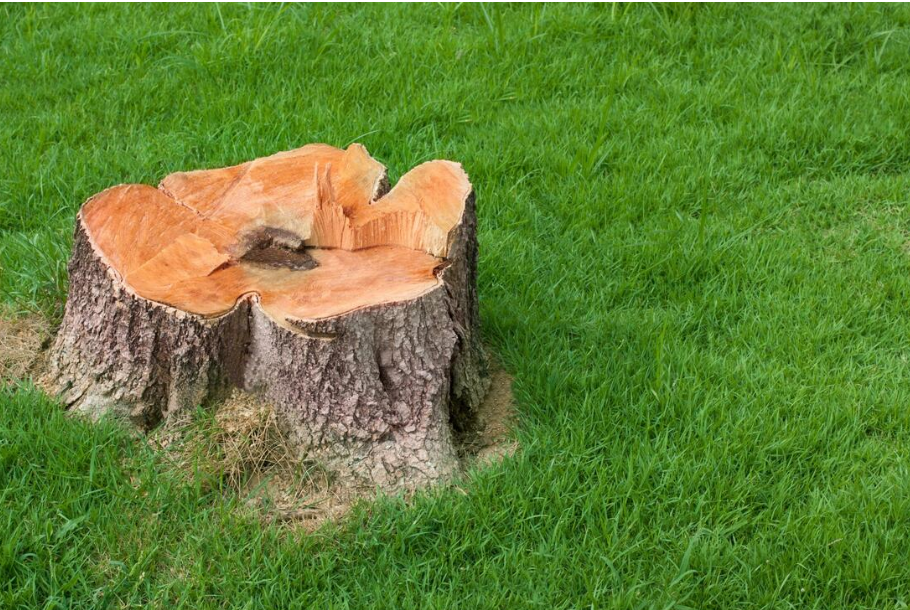
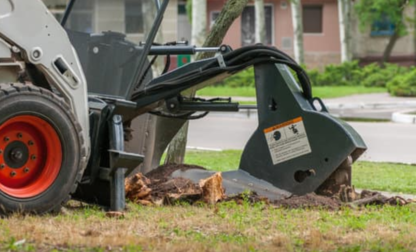
- Stump grinding down to below ground level once a tree has come out
- Formative pruning for younger trees, useful on newer plantings along Pollokshields' streets and gardens
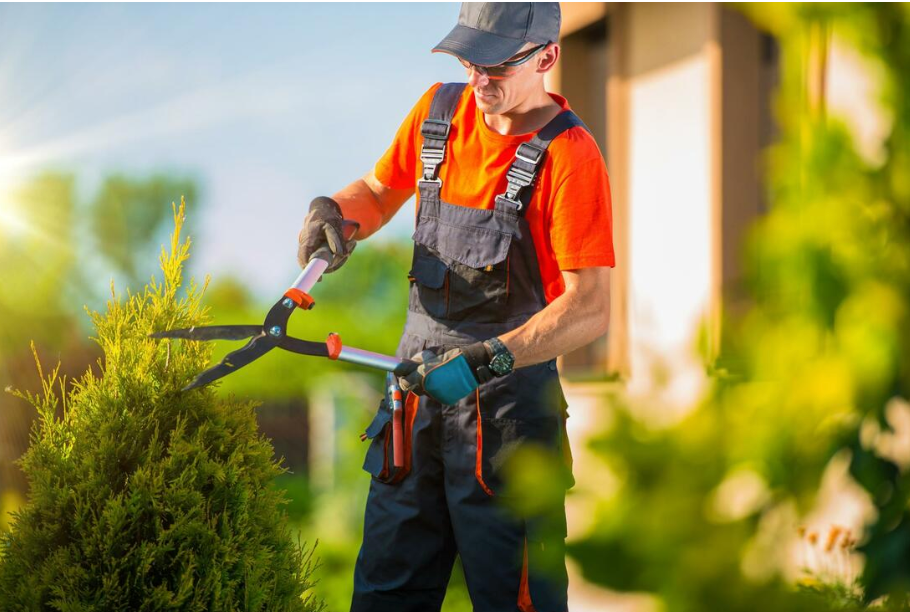
- Hedge cutting and shaping, including tall boundary hedges between villa gardens
- Emergency response for storm-damaged, split or windblown trees and hanging deadwood
- Site and land clearance, including bush and scrub clearing ahead of garden or extension work
- Written tree risk assessments and inspection reports, useful for insurance, conveyancing or council applications
- Rope and harness (aerial) dismantling for trees in tight back courts where a crane or ground-felling isn't practical
Not Included / Costed Separately
- Felling or major work on a tree actually protected by a Tree Preservation Order, or any tree within the conservation area, without council consent being granted first - this is a legal requirement, not a formality that can be skipped
- Timber and brash removal beyond a reasonable skip-load, which is usually quoted separately since tip fees and extra loads add to the job
- Underground work near gas, drainage or cabling close to a stump - this may need a services check before grinding can go ahead
- Access for a crane or larger chipper where a back court or lane genuinely can't take the vehicle - smaller, more time-consuming hand methods are used instead, and that's reflected in the quote
- Acting as a legal representative or mediator in a dispute between neighbours over a jointly-owned tree - practical tree work can go ahead once everyone with an interest in the tree agrees, but the agreement itself isn't something a tree surgeon can broker
From first call to a cleared back court
- What we need to hear first -- A short description gets things started - roughly where the tree stands (front garden, back court, boundary line), and what's prompting the work: storm damage, branches over a neighbour's garden, a stump left from an old removal, or a routine reduction that's overdue.
- A desk check against council records -- Before a site visit gets booked, the tree's rough location is checked against Glasgow City Council's conservation area map and Tree Preservation Order register for Pollokshields - most of the villa streets sit inside the conservation boundary, so this early check shapes how the rest of the process runs rather than turning into a surprise partway through.
- The site visit -- A tree surgeon looks at the tree itself, not a photo - species, condition, any decay or included bark, where things would land if something failed, and how a ladder, chipper or small crane would actually get down the street or through a close to the back court.
- The written quote -- A quote sets out the real scope: what's coming out or being reduced, how timber and brash get cleared, whether stump grinding is included, and whether the desk check flagged a need for council consent before work can start. Asking for it costs nothing and doesn't tie anyone into booking.
- Consent, then the work, then handover -- Where the desk check flagged the conservation area or an individual TPO, a written notice or application goes to the council before a date gets set; routine work on unprotected trees skips straight to booking. On the day, access goes up (ladders, rope and harness, or a small crane where the garden allows it), the tree comes down piece by piece where space is tight, and brash is chipped or timber stacked as it goes - finishing with a check of neighbouring gardens if anything came down near a boundary.
What a villa tree removal costs versus a routine prune
Tree removal in a Pollokshields garden typically runs from around £150 for a small tree up to roughly £4,800 for a large, mature specimen that needs full rigging and sectional dismantling - the wide range reflects height, trunk diameter, how much access there is down the street or through a close, and how far timber has to be carried to a skip or lorry. Day-rate labour for reduction, pruning or hedge work generally sits between £180 and £250. These figures are UK-wide averages drawn from industry cost guides such as MyJobQuote, Checkatrade and MyBuilder, not a fixed Pollokshields price list, so treat them as a starting point rather than a quote. A tree in a tight back court with no vehicle access, or one close to a wall, greenhouse or garage, will cost more to bring down safely than the same tree in an open front garden - and if the tree turns out to be in the conservation area, there's no cost for the council consent itself but there is a waiting period before work can start. The only way to get a number that actually applies to your tree is a site visit, which doesn't cost anything and doesn't commit you to booking the work.
Six typical jobs and what tends to move the price
| Job type | Typical price band | Typical time on site | What affects the price |
|---|---|---|---|
| Small garden tree removal (up to roughly 5m) | £150-£450 | Half a day | Access down the street or through a close, whether it can be felled whole or needs sectioning |
| Large mature tree removal (villa garden specimen) | £800-£4,800 | 1-3 days | Height, trunk diameter, rigging needed in a tight garden, and how far timber has to be carried out |
| Crown reduction / crown thinning | £250-£800 per tree | Half a day to a full day | Height, how much needs to come off, and whether it overhangs a shared boundary |
| Hedge cutting / trimming | £180-£250 per day (labour rate) | Half a day to a full day | Length and height of hedge, and access for removing cuttings |
| Stump grinding | £100-£350 per stump | 1-2 hours per stump | Stump diameter and root spread, and how close nearby paving or drainage runs |
| Emergency storm callout | From day rate of £180-£250, often more out of hours | Same day to 24 hours for genuine hazards | Urgency, and whether the tree is blocking access or resting on a structure |
What working on villa trees and back courts actually requires
Villa-garden beech and lime that have stood since Pollokshields' streets went up don't behave like young street trees, and knowing whether a patch of deadwood can be left for another season, or whether included bark low in the stem means a crown has to come down in stages, comes out of NPTC Professional Tree Inspection training, applied at the site visit and written into the quote rather than worked out with a saw already running. Back courts reached through a close rule a crane out on most jobs, so the certificates carrying the real weight here cover rigging and dismantling and chainsaw work from rope and harness - taking a tree apart piece by piece above a shared drying green or a neighbour's greenhouse roof rather than felling it whole. The same Lantra/NPTC training that covers windblown trees and aerial rescue gets called on after a bad westerly blows storm damage into a back court, and none of that carries much weight without cover behind it, which is why the team working above those back courts is fully insured, and why British Standard BS3998 sets how the dismantling sequence is planned rather than being a line added to the paperwork once the job's done. Glasgow Trees has been reading villa and tenement trees like these across the South Side since 2005, and asking for a look costs nothing - the figure written down at the site visit is the figure on the invoice, not a starting point for negotiation once the crew's on site.
East Pollokshields, West Pollokshields, and the ground between
Pollokshields itself splits into East and West, and much of both sits within a conservation area, which covers the sandstone villas on streets such as Nithsdale Road, Albert Drive, Glencairn Drive and St Andrew's Drive - tree work on the mature specimens lining these roads generally needs a look at the council's conservation area rules even where there's no individual TPO on the tree. Many of the tenements have shared back courts, often reached through a close or a narrow lane, which changes how equipment gets in - a stump grinder or wood chipper can usually be wheeled through, but a crane or larger truck often can't, so bigger jobs in a back court tend to rely more on rope and harness work. Pollokshields borders Maxwell Park to the east and sits close enough to Pollok Country Park, with its champion trees and woodland, that garden trees here are sometimes the offspring of species originally planted in the estate grounds. Coverage extends naturally into neighbouring Pollokshaws and across the wider South Side, and out through Giffnock, Clarkston, Rutherglen and Cambuslang, as well as further afield across Renfrewshire, East Renfrewshire, Lanarkshire and West Dunbartonshire.
What Pollokshields tree owners ask before booking
How much does tree surgery cost in Pollokshields, Glasgow?
It depends mostly on the size of the tree and how easy it is to get to. Removing a small garden tree tends to cost from around £150, while a large mature tree needing full rigging can run up to roughly £4,800. Pruning, crown reduction and hedge work are usually charged on a day-rate basis of around £180 to £250. These are general UK cost-guide figures rather than a fixed local price list, so the only way to get an actual number is a free site visit.
Is Pollokshields a conservation area, and does that affect tree removal?
Large parts of Pollokshields, including many of the villa streets, do fall within a conservation area, and Glasgow City Council manages both Tree Preservation Orders and conservation area consent for trees in these zones. Even where a specific tree doesn't have an individual TPO, work within a conservation area on a tree above a certain size usually needs six weeks' written notice to the council before it goes ahead. This is checked as part of the site visit, before any quote is finalised.
How quickly can you respond if a tree comes down in a storm?
Storm and windblown-tree work is treated as an emergency callout, and the team's Lantra/NPTC training specifically covers windblown trees and aerial rescue, which come up more often than people expect after a bad westerly blows through the South Side. If a tree or a large limb is down, resting on a fence, shed or car, or blocking a lane or back court, get in touch and describe what's happened - a hazard that's actively dangerous is prioritised over routine bookings, though exact timing still depends on what else is on that day.
Do you have experience working in Victorian and Edwardian villa gardens?
Yes - Pollokshields is largely made up of exactly this kind of property, with mature beech, lime, sycamore and the occasional monkey puzzle planted when the houses were built, often well over a century ago. Trees this age need a proper look for decay, included bark and structural weakness rather than a quick visual check, which is where the team's tree inspection training comes in - deciding whether a tree needs a full crown reduction, a partial prune, or removal is a judgement call, not a default answer.
Can you reduce a tree that overhangs a tenement back court, and how do you get equipment in?
Crown reduction on trees overhanging a shared back court is a regular job in this area. Access is usually through a close or a narrow lane, which rules out a crane or full-size chipper on most jobs - instead, the tree is climbed and worked using rope and harness techniques, with brash carried out by hand or through a smaller wheeled chipper that fits the space. It takes longer than a job with open access, and that's reflected in the quote rather than sprung on you afterwards.
What's involved in a tree risk survey for an older property?
A tree risk assessment on a Pollokshields villa or tenement typically involves a visual inspection from ground level (and sometimes a climbing inspection for a closer look higher up), checking for decay, cracks, dead limbs, root plate movement and any lean that's changed over time, then a written report grading the risk and recommending action if needed. This is the kind of report insurers, mortgage lenders or the council will ask for, and it's carried out by someone with NPTC Professional Tree Inspection training rather than a general opinion on the day.
Will you get involved if neighbours disagree over what to do with a jointly-owned tree in a back court?
Not directly - sorting out a disagreement between neighbours over a jointly-owned tree is a legal or factoring matter, not something a tree surgeon can mediate or decide on. What can be offered is an independent, professional view on the tree's condition and what work, if any, it actually needs, which is often useful evidence once everyone involved is ready to agree a way forward. The practical work itself can only start once all parties with an interest in the tree are in agreement.
If work is near Pollok Country Park, do you need to coordinate with the council's park rangers?
For a private garden tree in Pollokshields backing onto the park boundary, this usually isn't necessary - the work stays on private land and follows the same conservation area rules as anywhere else in Pollokshields. It becomes relevant only where the job actually touches the park itself, such as boundary or estate trees, in which case Glasgow City Council's parks and countryside team would need to be involved, similar to the restoration work already carried out around Pollok Country Park's champion trees.
Will you offer stump grinding after removal?
Yes, stump grinding is usually offered as part of a removal job or booked separately if a stump's been sitting for a while. The grinder chews the stump down below ground level rather than leaving a raised lump, though depth and how close the grinder can get depend on nearby paving, drainage or garden walls - something checked on site rather than assumed from a description over the phone.
Get a tree looked at before the next storm does the job for you
A tree that's been quietly shedding deadwood over a Pollokshields back court, or leaning a little more than it used to after last winter's gales, rarely gets safer by being left. Asking for a look costs nothing and doesn't commit you to anything - get in touch to arrange a site visit, describe what's going on with the tree, and get a straight answer on what it actually needs.
Glasgow Trees
Call 0141-483-7485