
Tree Surgeon Stepps, Glasgow
- Free, no-obligation quotes for jobs of any size
- NPTC-qualified tree surgeons working to British Standard BS3998
- Fully insured, covering domestic gardens and commercial sites alike
When a tree in a Stepps garden starts leaning after a windy spell, drops a limb onto the shed, or is simply in the way of a stump grinding out before the lawn gets re-laid, the first useful thing to know is what happens next: someone comes out, looks at the actual tree, and gives you a straight price before any cutting starts. That's how tree surgery works here, covering everything from a one-off crown reduction in a semi's back garden off Cumbernauld Road to a full removal and site clearance for a developer working one of the newer plots near the station.
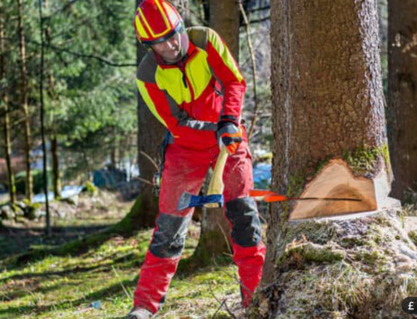
All work is carried out to British Standard BS3998, the recognised standard covering how a crown reduction should be cut, how deadwood gets identified and taken out, and how a felling job is planned so nothing lands where it shouldn't. The team is fully insured before a saw is ever started, and quotes are free with no obligation attached, so you get a straight figure before you commit to anything.
Every Job Type, From Deadwooding to Full Removal
- Tree removal and felling, from small garden trees up to large mature specimens
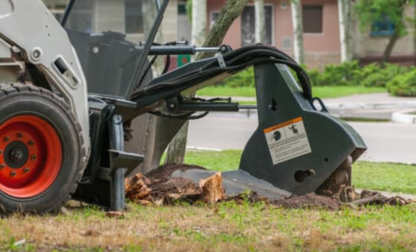
- Stump grinding and stump removal
- Crown reduction, crown thinning and crown lifting
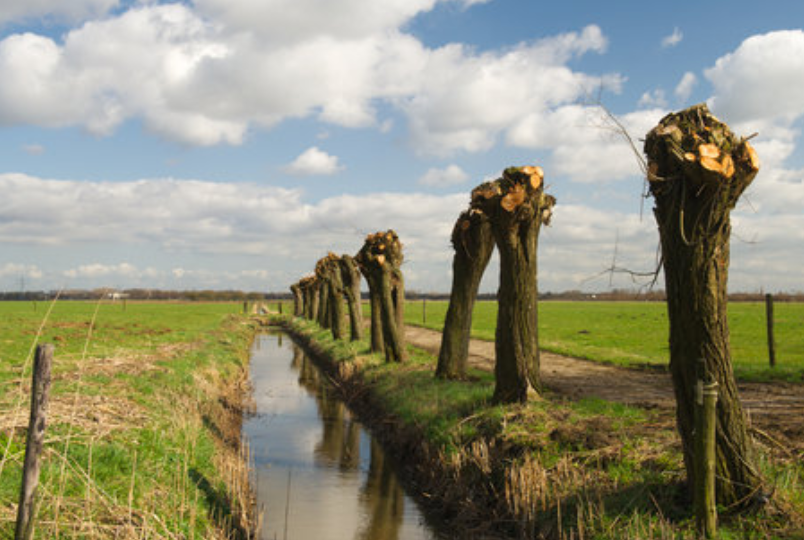
- Pollarding and coppicing
- Deadwooding - removing dead or hazardous limbs while keeping the tree standing
- Formative pruning of young trees to shape growth early on
- Hedge cutting and trimming
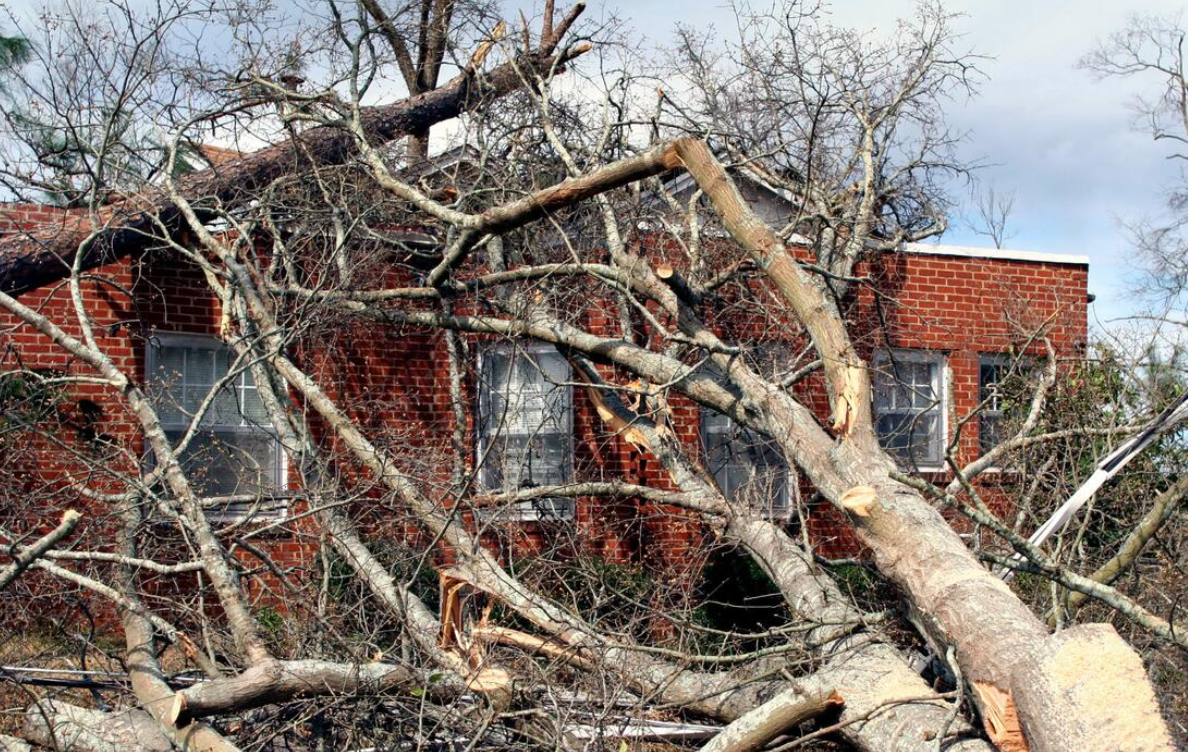
- Emergency work on windblown or storm-damaged trees
- Site and land clearance, including overgrown gardens and building plots
- Wood chipping and handling of felled timber
- Consultancy for commercial clients, including method statements and risk assessments for arboricultural work on larger contracts
Not Included / Costed Separately
- Stump grinding is usually priced as a separate line from felling, since it needs different machinery and its own access route to the stump
- Hauling felled timber and logs off-site entirely, rather than leaving it stacked or chipped on your ground, can add to the price if that's what you want
- Any Tree Preservation Order or conservation area consent is a council matter - a tree surgeon can flag that a tree looks protected and advise on next steps, but the application itself goes through North Lanarkshire Council, not the contractor
- Replacement planting isn't automatically part of a removal quote - say so upfront if you want a new tree going in once the old one's out
- Difficult access, such as a garden only reachable by carrying gear over a neighbour's ground or down a long shared drive, gets priced once it's actually seen, not guessed over the phone
What Actually Happens Once You Pick Up the Phone?
- Working Out What You're Dealing With -- A call or a handful of photos - what's wrong with the tree, roughly where it stands in the garden, whether it's overhanging a shed or a boundary fence - is usually enough to tell whether it's routine work or something to treat as urgent, and gives a rough steer on price before anyone drives out from Glasgow.
- Site Visit and Quote, Done Together -- Rather than a visit followed by a wait for paperwork later, the two usually happen close together: height, lean, root plate, ground conditions and access get looked at in person, including whether the tree sits near Bishop Loch, Frankfield Loch or an old rail embankment where root systems run differently, and a written price follows within a day or so setting out the felling method, whether the stump's included, and how timber gets handled.
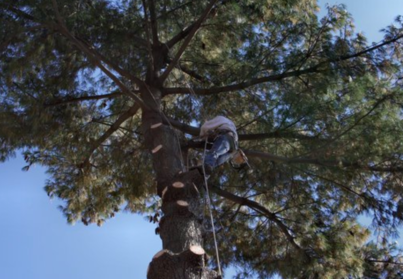
- The Work Itself -- In a tight back garden with no room to drop a tree whole, it comes down in controlled sections using rigging, with the chainsaw worked from rope and harness for crown-level cuts, and a chipper running on site for the brash as it's produced rather than left in a pile.
- Clean-Up and the Stump Decision -- Arisings get chipped or stacked as agreed and the garden's left tidy; whether the stump comes out the same day or waits for a return visit usually comes down to the ground itself - Stepps sits on clay subsoil that holds water and turns heavy underfoot after rain, and a stump grinder needs firmer footing than a chainsaw does.
What This Actually Costs, and Why the Range Is Wide
Cost depends far more on the tree and the access than on the postcode. As a rough guide, felling a small tree up to around 25ft typically runs from £150 to £340, while a medium tree up to about 50ft is more often £1,190 to £1,720, reflecting the extra rigging, time and disposal involved in taking down something that size safely in a domestic garden. Day-rate work such as pruning, hedge cutting or a clearance job tends to sit between £250 and £460 per day, depending on how many trees are involved and how much material there is to remove. These figures are drawn from the Checkatrade Tree Removal Cost Guide 2026 and MyBuilder Tree Surgeon Costs 2026, and they're a starting point for budgeting rather than a quote. Stump grinding, timber removal, and awkward access such as steep gardens or a tree overhanging a neighbour's fence can move the final figure in either direction, which is exactly why a proper quote needs eyes on the actual tree rather than a price over the phone.
Small Removal, Medium Removal, or Day-Rate Work?
| Job | Typical scope | Price guide | What moves the price |
|---|---|---|---|
| Small tree removal (up to c.25ft) | Garden ornamentals, saplings, small conifers | £150 - £340 | Species, how it's leaning, access to the base |
| Medium tree removal (up to c.50ft) | Mature garden trees, larger conifers | £1,190 - £1,720 | Height, crown spread, whether it must be dismantled in sections |
| Stump grinding | Grinding out a felled stump below ground level | Quoted separately on site | Stump diameter, root spread, how soft the clay ground is after rain |
| Day-rate work | Crown reduction, hedge cutting, site clearance | £250 - £460 per day | Number of trees, volume of arisings, chipper access |
Why the Machinery Tickets Matter As Much As the Chainsaw Here
Stepps throws up a problem that a lot of Glasgow gardens don't: ground that turns soft and heavy the moment it rains, on clay subsoil that's common right across this stretch of North Lanarkshire. That makes it as much a machinery question as a tree question, so the certificates that get used most often on this patch aren't just the climbing ones - they're the machinery tickets covering the stump grinder, the wood chipper and the 360 excavator, held within the team alongside the health and safety and first aid certificates that sit under every NPTC and Lantra qualification. Rope-and-harness climbing and rigging and dismantling are still there for a tree near the old rail embankments that needs taking down in sections rather than dropped whole, but on clay ground it's often the machinery ticket that decides whether a stump gets ground out the same day or has to wait until the ground firms up. An NPTC Professional Tree Inspection qualification also sits within the team, useful on older trees backing onto Bishop Loch and Frankfield Loch where judging root stability properly counts for more than a guess from the lawn. That's not new ground for the business - Glasgow Trees has been called out to gardens like these since 2005, long enough to know which corners of North Lanarkshire turn soft after a week of rain and which hold firm. Full insurance and work carried out to British Standard BS3998 aren't add-ons quoted separately; they're the baseline the team already operates from, on the clay here as much as anywhere else it works.
Loch Edges, Old Rail Embankments and Clay Ground
Stepps sits just inside North Lanarkshire, on the Cumbernauld Road corridor with the M80 close by, which makes it a straightforward run in from Glasgow for a same-day site visit. It's also right on the doorstep of Bishop Loch and Frankfield Loch, part of the Seven Lochs Wetland Park, so a fair few gardens here back onto mature woodland and wetland edge rather than open fields, and trees near that boundary can be older and larger than a typical suburban plot would suggest. The old Glasgow to Cumbernauld railway line runs straight through the village past Stepps station, and gardens along that corridor sometimes have mature trees planted close to boundary walls and old rail embankments, where root systems have had decades to establish - worth raising at the site visit if a tree sits near an old wall or embankment, since root plate and drainage behave differently there. The clay-heavy subsoil common across this part of North Lanarkshire holds water after rain, which affects how stable a root plate is in high wind and how firm the ground needs to be before machinery like a stump grinder goes onto it. The same team also covers the neighbouring areas of Bishopbriggs, Baillieston and Kirkintilloch, along with Glasgow itself and the wider Lanarkshire, Renfrewshire and West Dunbartonshire area.
Questions Stepps Customers Actually Ask
How much does a tree surgeon in Stepps charge to remove a tree?
It depends on the size of the tree far more than the location. A small tree up to around 25ft typically costs £150 to £340 to remove, while a medium tree up to about 50ft usually runs from £1,190 to £1,720, based on current Checkatrade and MyBuilder cost guides. Access, whether the stump comes out too, and how the timber is disposed of all move that figure, so a site visit is the only way to get an exact number.
Do I need permission from North Lanarkshire Council to fell a tree in Stepps?
Only if the tree is covered by a Tree Preservation Order or sits within a conservation area - most ordinary garden trees aren't protected, but older or particularly large specimens sometimes are, especially near the loch and wetland edges. A tree surgeon can look at the tree and flag if it's worth checking with the council before work starts, but the check and any application sits with North Lanarkshire Council, not the contractor, so it's worth raising early rather than after the tree's down.
What areas of Stepps and North Glasgow do you cover?
Stepps itself, along with neighbouring Bishopbriggs, Baillieston and Kirkintilloch, and the wider Glasgow area out toward Renfrewshire, Lanarkshire and West Dunbartonshire. If you're just outside that list it's still worth a call, since the M80 and surrounding road network make most of North Glasgow a reasonable run.
Is it cheaper to hire a local Stepps tree surgeon than one from central Glasgow?
Not really, and it's an honest answer to give - price is driven by the size of the tree, the access, and whether the stump and timber need dealing with, not by which side of Glasgow the contractor is based. Being close by mainly helps with how quickly a free site visit can be arranged, particularly for storm damage.
How quickly can a tree surgeon come out to Stepps for an emergency job?
Storm-damaged and windblown trees get treated as a priority, especially where a branch or trunk is blocking access, resting on a roof, or posing an obvious risk. Call as soon as you spot the damage and describe what's happened - a leaning tree over a driveway is dealt with differently to a hung-up branch over a shed - so the right approach and kit gets brought out first time.
What's included in a typical Stepps tree removal quote?
A written quote sets out the felling method, whether the stump is ground out or left, and whether timber and brash are chipped on site, stacked for you, or taken away. Anything not listed on that quote gets discussed with you before it's done, rather than added on afterwards.
Are Stepps tree surgeons insured and NPTC qualified?
Yes - the team is fully insured, and holds NPTC and Lantra certificates covering chainsaw and tree work, aerial rescue, rigging and dismantling, and machinery operation, alongside an NPTC Professional Tree Inspection qualification. Work is carried out to British Standard BS3998.
What's the difference between tree surgery and hedge trimming in Stepps?
Hedge cutting is generally a maintenance job - keeping a boundary hedge at height and shape, done on a day rate. Tree surgery covers structural work on an actual tree: crown reduction, deadwooding, pollarding or removal, all carried out to BS3998, which means judging the tree's health and structure before anything gets cut, rather than just tidying growth. Both get quoted differently because the skills, time and equipment involved aren't the same.
Does the clay subsoil around Stepps affect how stable garden trees are?
It can. Clay-heavy ground common across this part of North Lanarkshire holds water rather than draining it away quickly, which means root plates can sit in wetter soil for longer after rain and shift more under wind loading than they would in freer-draining ground. It's one of the things worth raising at a site visit if a tree has started to lean or the ground around its base looks disturbed, since it affects both the felling method and whether machinery can safely get onto the lawn.
A Leaning Tree Rarely Waits for a Convenient Time
A tree that's already leaning or has dropped a limb in one storm is more likely to give trouble in the next one, and clay ground around Stepps doesn't help matters once it's saturated. Get in touch for a free, no-obligation site visit and a straight quote, whether that's a full removal, a crown reduction to take the weight off, or simply grinding out a stump that's in the way of what you're planning next in the garden.
Glasgow Trees
Call 0141-483-7485